TL;DR:
- Pool surface delamination involves separation within the finish layers, often caused by environmental stresses.
- Florida’s intense sun, humidity, and hard water accelerate delamination and shorten pool surface lifespan.
- Proper maintenance, surface choice, and professional resurfacing are key to preventing and repairing delamination.
Even a freshly resurfaced pool can start peeling or blistering within two to three years in Florida if the right steps are skipped during installation. Most homeowners assume resurfacing is a one-and-done solution, but delamination proves otherwise. Florida’s intense sun, hard water, and humidity create conditions that punish every shortcut. This guide walks you through exactly what pool surface delamination is, why it happens so often here, how to catch it early, and what it takes to fix it so it actually lasts.
Table of Contents
- What is pool surface delamination?
- Common causes of pool surface delamination in Florida
- How to recognize and confirm pool surface delamination
- Repairing and resurfacing: Lasting solutions for delaminated pools
- Preventing future delamination: Smart tips for Florida pools
- Our take: What most Florida homeowners miss about pool delamination
- Expert help for flawless, lasting pool finishes in Florida
- Frequently asked questions
Key Takeaways
| Point | Details |
|---|---|
| Delamination explained | Delamination means the pool’s finish separates from its structure, causing cracks and peeling. |
| Florida risks | Florida’s climate and water chemistry make delamination and surface wear happen faster than in most regions. |
| Preventative care | Balance water chemistry and choose aggregate finishes to reduce the risk of delamination. |
| Best repair options | Proper resurfacing with quality prep and the right materials offers the longest-lasting fix. |
| Hire experts | Using licensed pool pros and avoiding shortcuts are key to a surface that lasts. |
What is pool surface delamination?
Let’s start by clarifying what pool surface delamination actually means and why it’s more complex than just a patch of peeling plaster.
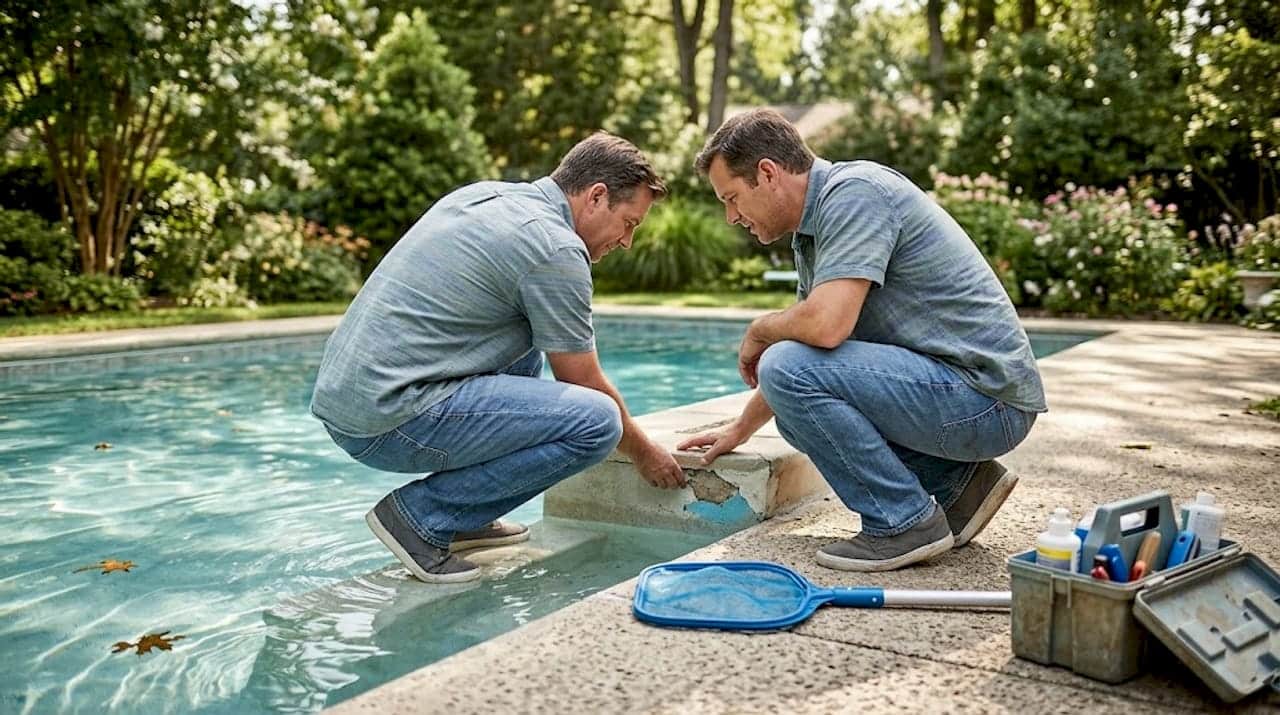
Pool surface delamination is the separation of the top finish layer from the underlying structural layer, or within plaster layers themselves. It’s not the same as simple staining or surface discoloration. When delamination happens, the bond between layers physically breaks down, leaving sections that lift, hollow out, or flake away entirely.
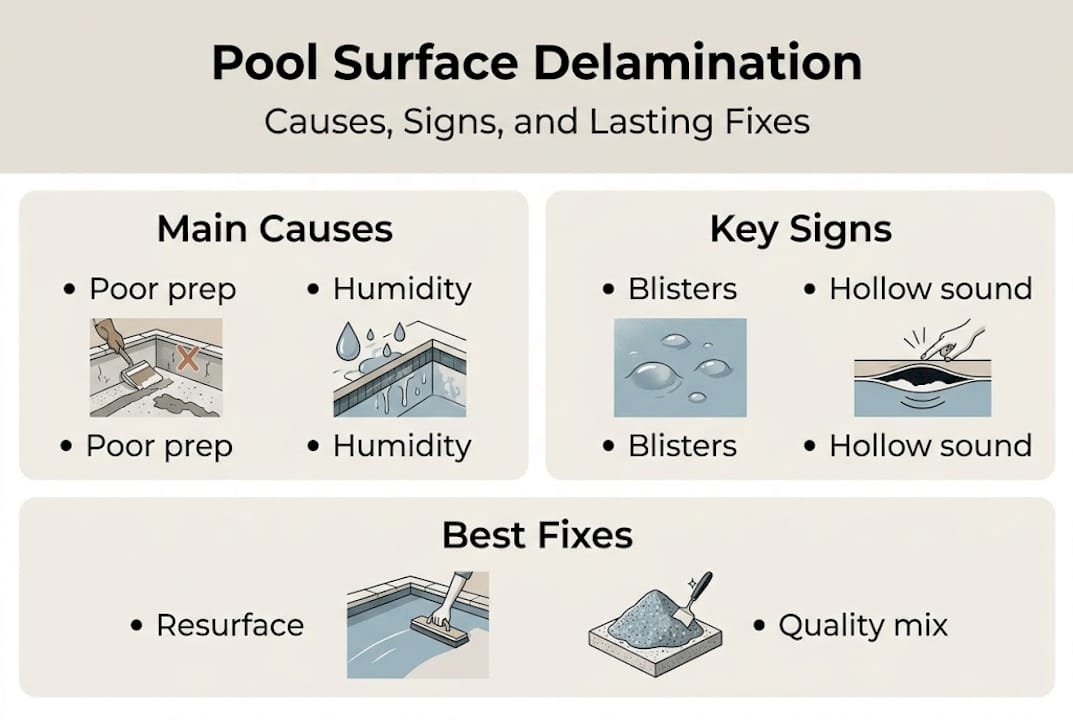
There’s an important distinction between debonding and delamination that most homeowners don’t know about. Debonding refers to the finish layer separating from the shell or gunite beneath it. Delamination, by contrast, happens within the finish material itself, where one layer of plaster separates from another. Both are serious, but they require different repair approaches.
| Issue | Where it occurs | Common cause |
|---|---|---|
| Debonding | Finish layer lifts from shell | Poor bond coat or surface prep |
| Delamination | Layers within the finish separate | Bad mix ratio or rapid drying |
| Surface peeling | Top coat only | UV damage, age, or thin application |
For fiberglass pools, delamination typically involves the gelcoat separating from the fiberglass shell beneath it, often triggered by osmotic blistering. For plaster pools, it’s usually a failure between the scratch coat and finish coat.
Here’s why this matters in Florida specifically. The combination of year-round pool use, aggressive UV exposure, and fluctuating water chemistry means the bond between layers is constantly under stress. Understanding the pool finish peeling causes unique to this region is the first step toward choosing a surface that actually holds up.
- Delamination can affect plaster, fiberglass, and aggregate surfaces
- It often starts in hidden areas like steps or behind fittings
- Early signs are subtle, which is why so many homeowners miss them
“Pool surface delamination is the separation of the top finish layer from the underlying structural layer or within plaster layers themselves.” This distinction matters because the repair strategy depends entirely on where the failure originated.
Common causes of pool surface delamination in Florida
Now that you know what delamination is, it’s key to understand why Florida’s environment and common practices make pool surfaces especially vulnerable.
Primary causes include inadequate surface preparation, improper plaster mix or application, rapid drying and curing issues, poor water chemistry, age, UV exposure, and manufacturing defects. In Florida, several of these factors hit simultaneously.
High UV, subtropical climate, and hard water all accelerate surface degradation faster than in most other states. A pool surface that might last 15 years in a cooler climate can show serious delamination in under a decade here.
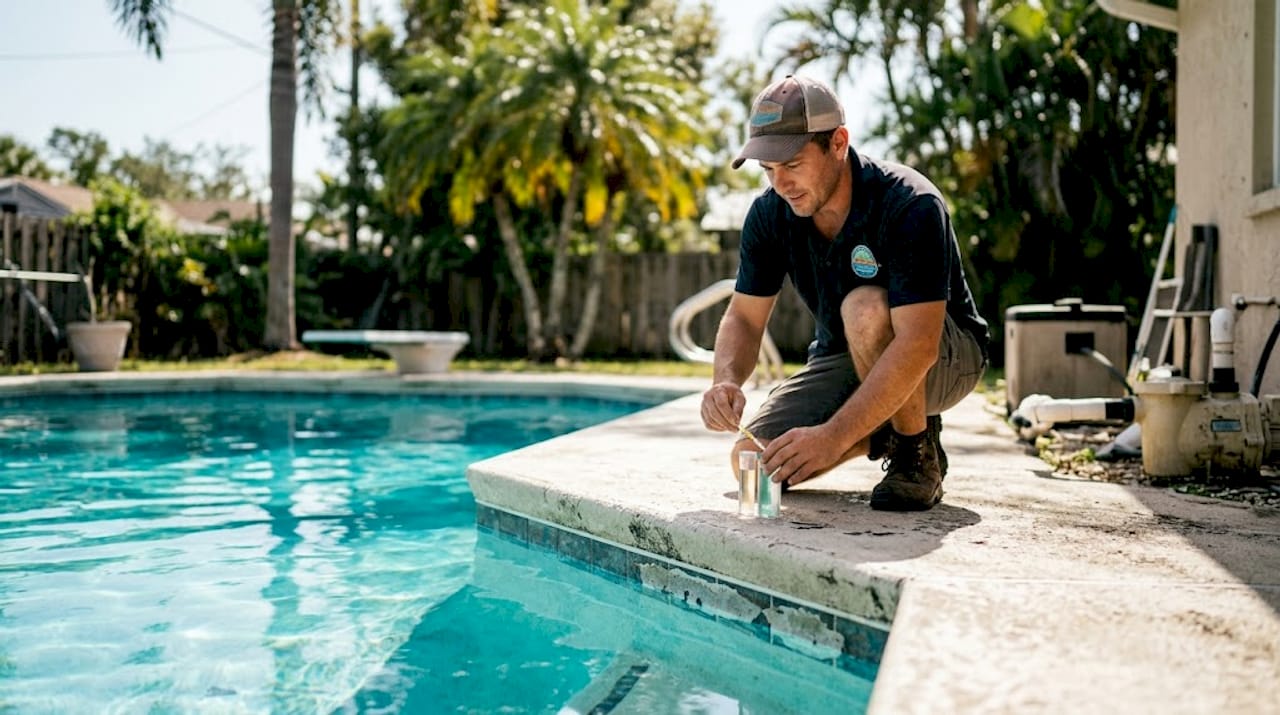
The weather and pool surface wear relationship is direct. Florida’s intense summer heat causes surfaces to expand and contract repeatedly, weakening the bond between layers over time. Add in heavy seasonal rainfall that shifts water chemistry fast, and you have a recipe for early failure.
Water chemistry is a major culprit that homeowners often overlook. The Langelier Saturation Index (LSI) measures whether your water is corrosive or scale-forming. When LSI is off, water either eats into the plaster or deposits calcium on it, both of which destroy layer bonding over time.
- Inadequate surface prep before applying new plaster
- Wrong water-to-plaster mix ratios during application
- Rushing the curing process in hot Florida weather
- Imbalanced LSI causing chemical attack on the finish
- Choosing basic white plaster over more durable quartz or pebble
- Age: most Florida plaster surfaces need replastering vs resurfacing evaluation after 8 to 10 years
Pro Tip: Test your pool water at least once a week during summer months and keep your LSI between 0 and +0.3. This one habit can add years to your pool surface life and dramatically reduce delamination risk.
Material choice also plays a bigger role than most people realize. Basic white plaster is the most affordable option but also the least resistant to Florida’s conditions. Quartz aggregate and pebble finishes bond more tightly and resist chemical wear far better.
How to recognize and confirm pool surface delamination
After exploring the causes, here’s how you can spot delamination before it develops into a much bigger and costlier issue.
The earliest signs are often physical and easy to test yourself. Detection clues include a hollow sound when the surface is tapped, visible blisters, flaking, peeling, discoloration, and rough texture. You don’t need special equipment to catch this early.
Walk the perimeter of your pool and run your hand along the waterline, steps, and corners. These are the highest-stress areas and where delamination almost always starts first.
Here’s a simple step-by-step process to check your pool:
- Drain the pool partially so you can access the walls and steps without getting in.
- Tap the surface with a coin or knuckle across multiple areas. A solid surface gives a flat thud. A delaminating area gives a hollow, drum-like sound.
- Look for blisters — raised bubbles in the plaster or gelcoat that weren’t there before.
- Check the waterline for flaking, rough patches, or areas where the finish looks thinner than surrounding sections.
- Inspect corners and steps where water sits longer and chemical exposure is highest.
- Photograph anything suspicious so you can track whether it spreads over the next few weeks.
Ignoring these signs is costly. A small hollow spot that covers one square foot can expand to cover an entire wall section within a single season in Florida’s heat. What starts as a minor patch job can turn into a full drain-and-resurface project if left alone.
Knowing how to patch pool plaster can help you manage small spots temporarily, but a professional assessment is essential once you find hollow sounds or spreading blisters. A licensed contractor can tell you whether a spot repair is viable or whether full resurfacing is the smarter investment.
Repairing and resurfacing: Lasting solutions for delaminated pools
Once you’ve confirmed delamination, the next question is how to fix it right so it doesn’t return in a few short years.
Proper resurfacing involves draining the pool, chipping or blasting the old surface, repairing cracks, applying a bond coat, and then installing the new finish. Skipping any of these steps is exactly how delamination comes back. Aggregate and pebble finishes last longer in Florida’s climate than basic plaster.
Here’s what a quality resurfacing job looks like step by step:
- Full drain and surface inspection to identify all delaminated areas and cracks
- Chipping or sandblasting the old finish down to the shell
- Crack repair using hydraulic cement or epoxy injection for structural gaps
- Bond coat application to create a strong adhesion layer for the new finish
- New finish installation using your chosen material
- Controlled curing with proper water chemistry from day one
| Surface type | Avg. cost per sq ft | Lifespan in Florida | Best for |
|---|---|---|---|
| White plaster | $3 to $5 | 7 to 12 years | Budget-conscious projects |
| Quartz aggregate | $5 to $8 | 12 to 18 years | Balance of cost and durability |
| Pebble finish | $8 to $12 | 15 to 25+ years | Long-term value and appearance |
Choosing long-lasting pool surfaces means factoring in Florida’s climate from the start, not just upfront cost. Pebble and quartz options cost more initially but save significantly on repeat repairs.
Pro Tip: Always ask your contractor for proof of licensing, insurance, and warranty terms in writing before signing anything. A warranty is worthless if the contractor didn’t follow proper prep steps, and many manufacturers void warranties when surface prep is skipped.
The surface durability upgrades available today are far superior to what was standard even ten years ago. Investing in the right material now prevents the cycle of resurface, delaminate, and resurface again.
Preventing future delamination: Smart tips for Florida pools
Of course, the best solution is to prevent delamination in the first place. Here’s what works best for Florida pool owners.
Prioritizing water chemistry, specifically LSI balance, is the single most effective prevention strategy. Choosing aggregate finishes for longevity and always using licensed contractors rounds out the top three practices that prevent repeat failures.
Reviewing best pool finish types for Florida conditions before any resurfacing project helps you make a choice that fits both your budget and your climate.
- Test water chemistry weekly and keep LSI between 0 and +0.3
- Choose quartz or pebble finishes over basic plaster for Florida pools
- Schedule a professional inspection every 12 months to catch early signs
- Insist on full surface prep, including blasting and bond coat, before any new finish
- Get at least three bids and avoid the lowest offer if it skips documented prep steps
- Keep records of all chemical treatments and maintenance for warranty purposes
One overlooked prevention tip: ask your contractor how they handle the first 28 days after application. Proper startup chemistry during curing is where many delamination failures actually begin, even when the application itself was done correctly.
Our take: What most Florida homeowners miss about pool delamination
After resurfacing over 100,000 pools since 1988, we’ve seen the same pattern repeat itself. Shortcuts or lack of proper prep account for the vast majority of repeat delamination cases we encounter. It’s rarely a material failure. It’s almost always a process failure.
Here’s the uncomfortable truth: warranty claims fail far more often than they should, not because the product was bad, but because contractors skipped surface prep or the homeowner has no water chemistry records to prove proper maintenance. Both sides lose.
Don’t rush a resurfacing job just because you want the pool back in service fast. Quality prep takes time, especially in Florida’s heat where surfaces need to dry thoroughly before new material is applied. A job rushed in summer humidity is a job that comes back to haunt you.
Before hiring anyone, build a simple checklist: licensed and insured, written warranty, documented prep process, and references from local Florida projects. Understanding pool surface warranties before you sign protects you if something goes wrong. The homeowners who avoid repeat delamination are the ones who ask hard questions upfront, not after the fact.
Expert help for flawless, lasting pool finishes in Florida
Ready to make your pool beautiful and durable again? Here’s where to get real help.
At Classic Marcite, we’ve built our reputation on doing the prep work right, every single time. As the largest Pebble Tec® applicator in Central Florida, we know exactly what Florida pools need to hold up year after year.

If your pool is showing signs of delamination, or you want to resurface before it gets worse, our team is ready to help. We cover Orlando, Jacksonville, and surrounding areas with free estimates and proven results. Learn the pool resurfacing durability basics that make the difference, explore why Pebble Tec for Florida pools is the top choice for longevity, or find out about resurfacing in The Villages if you’re in that area. Contact us today for your free estimate.
Frequently asked questions
Can I patch small areas of pool surface delamination myself?
Minor spots can be patched temporarily, but full resurfacing by a pro is almost always required for lasting results because DIY patches rarely bond properly to a compromised surface.
How long does new pool plaster or pebble last in Florida?
Typical white plaster lasts 7 to 12 years in Florida, while quartz aggregate runs 12 to 18 years and pebble finishes can last 15 to 25 years or more with proper maintenance.
What’s the fastest way to tell if my pool surface is delaminating?
Tap the surface with a coin. If you hear a hollow sound or see blisters and flaking nearby, delamination is almost certainly the cause.
Why is delamination more common in Florida?
Florida’s UV intensity, subtropical heat, humidity, and hard water all accelerate surface aging and put constant stress on the bond between pool finish layers.
Does my pool need a permit for resurfacing if there’s delamination?
In Florida, a permit is usually required for structural pool repairs and major resurfacing projects, so always check with your local building department before work begins.