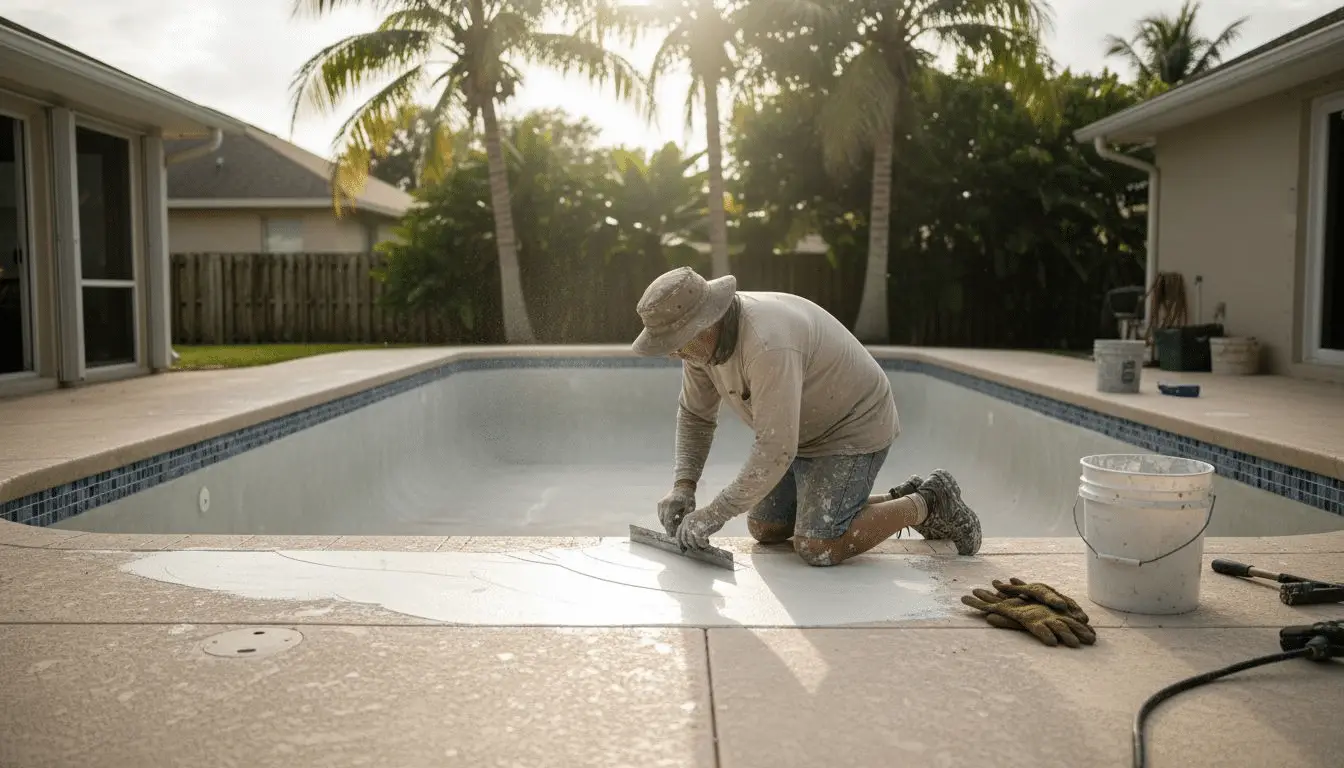
Many homeowners think pool resurfacing is just cosmetic. In reality, resurfacing protects structural integrity, prevents leaks, and enhances safety. Florida’s climate accelerates pool surface degradation faster than almost anywhere else in the country. This article explains why upgrading pool surfaces is essential and how it benefits durability, safety, and aesthetics for Florida pool owners.
Table of Contents
- Understanding Pool Surface Degradation In Florida
- How Pool Resurfacing Enhances Durability And Longevity
- Safety Benefits Of Upgrading Pool Surfaces
- Modern Resurfacing Materials: Options And Comparisons
- Common Misconceptions About Pool Resurfacing
- Practical Guidance For Upgrading Pool Surfaces
- Enhance Your Florida Pool With Professional Resurfacing
- Frequently Asked Questions
Key takeaways
| Point | Details |
|---|---|
| Florida climate stress | Sun, humidity, and chemicals degrade pool surfaces faster than other regions. |
| Lifespan extension | Quality resurfacing can extend pool life up to 25 years with proper materials. |
| Safety improvements | Modern surfaces improve slip resistance and reduce injury risks by up to 40%. |
| Material choices | Pebble Tec® offers superior durability compared to traditional plaster or quartz. |
| Investment value | Resurfacing boosts property value and lowers long-term maintenance costs significantly. |
Understanding pool surface degradation in Florida
Florida’s environment creates unique challenges for pool surfaces. The state’s constant UV exposure fades and weakens surfaces faster than climates with seasonal variation. High humidity encourages surface corrosion and promotes mold growth that attacks protective coatings.
Pool chemicals contribute to surface roughness, staining, and cracking over time. When combined with Florida’s heat, these chemicals accelerate material breakdown. Florida’s year-round sun exposure, humidity, and chemical use accelerate pool surface wear, reducing the typical lifespan of traditional surfaces.
Traditional plaster surfaces typically last only 7 to 10 years in Florida conditions. This is significantly shorter than the 12 to 15 years you might see in cooler, drier climates. Watch for these common warning signs:
- Rough texture that catches skin or swimwear
- Visible cracks spreading across the surface
- Discoloration or staining that won’t clean away
- Peeling or flaking material around edges
- Exposed aggregate or underlying structure
These signs indicate your pool surface needs attention before structural damage occurs. Catching degradation early prevents costly repairs to the pool shell itself.
How pool resurfacing enhances durability and longevity
Resurfacing repairs cracks and imperfections to prevent leaks and structural damage. A quality resurfacing job seals the pool shell, maintaining waterproofing that protects your investment. Without proper sealing, water infiltrates the structure and causes expensive damage.
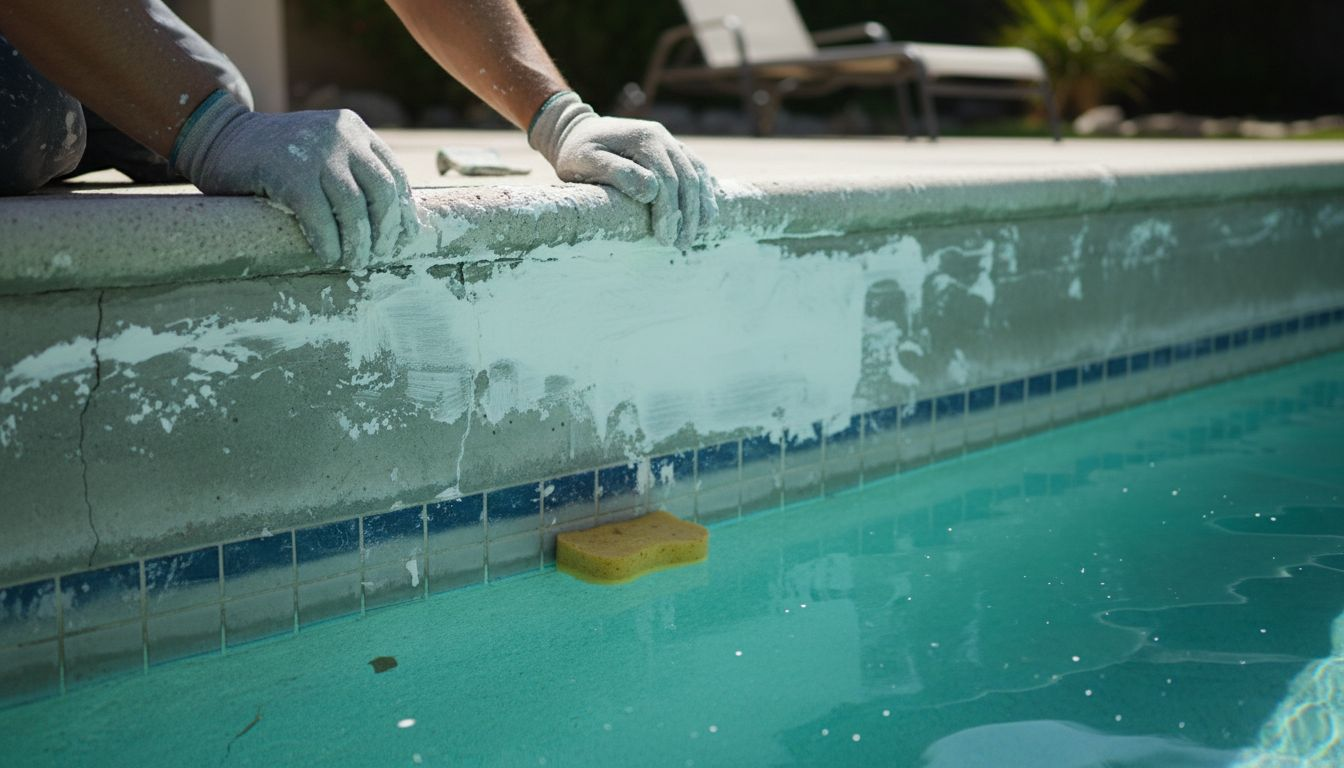
New materials add protective layers against UV rays and chemical corrosion. Modern resurfacing materials can provide up to 25 years of service life, resisting Florida’s UV and chemical damage far better than older options. Pebble Tec® and similar materials greatly extend surface life compared to traditional plaster.
Durability improvements reduce the frequency and cost of repairs. Consider these benefits:
- Enhanced resistance to chemical imbalance damage
- Better UV protection prevents fading and weakening
- Stronger bonding reduces cracking and spalling
- Improved waterproofing maintains structural integrity
- Lower maintenance requirements over the surface lifetime
Proper resurfacing maintains waterproofing and pool integrity for decades. The initial investment pays for itself through reduced repair costs and extended pool life.
Pro Tip: Schedule a professional inspection every 5 years to catch minor issues before they become major problems. Early intervention can extend your resurfaced pool’s life even further.
Safety benefits of upgrading pool surfaces
Old surfaces become rough and abrasive, causing cuts and scrapes to swimmers. These rough patches develop as the surface deteriorates and aggregate becomes exposed. Children are especially vulnerable to injury from degraded pool surfaces.
Resurfacing smooths these rough patches for comfortable, safe swimming. Modern finishes enhance slip resistance around pool edges and steps. Pebble finishes improve slip resistance by up to 40% compared to older plaster surfaces, significantly reducing pool injury risk.
Corrosion and decay weaken pool edges and steps over time. These structural weak points create serious safety hazards for anyone entering or exiting the pool. Resurfacing addresses these problems by:
- Repairing damaged edges and steps
- Creating textured surfaces that prevent slipping
- Eliminating sharp or rough spots
- Reinforcing structural weak points
- Providing consistent surface grip throughout the pool
Safer pools better protect families and reduce liability for property owners. Commercial properties especially benefit from improved safety standards that meet modern insurance requirements.
Pro Tip: When selecting materials, ask about slip resistance ratings. Look for surfaces that maintain their texture even when wet and covered with typical pool chemicals.
Modern resurfacing materials: options and comparisons
Choosing the right material affects your pool’s performance for years. Three main options dominate the Florida market, each with distinct advantages. Understanding these differences helps you make the best investment decision.
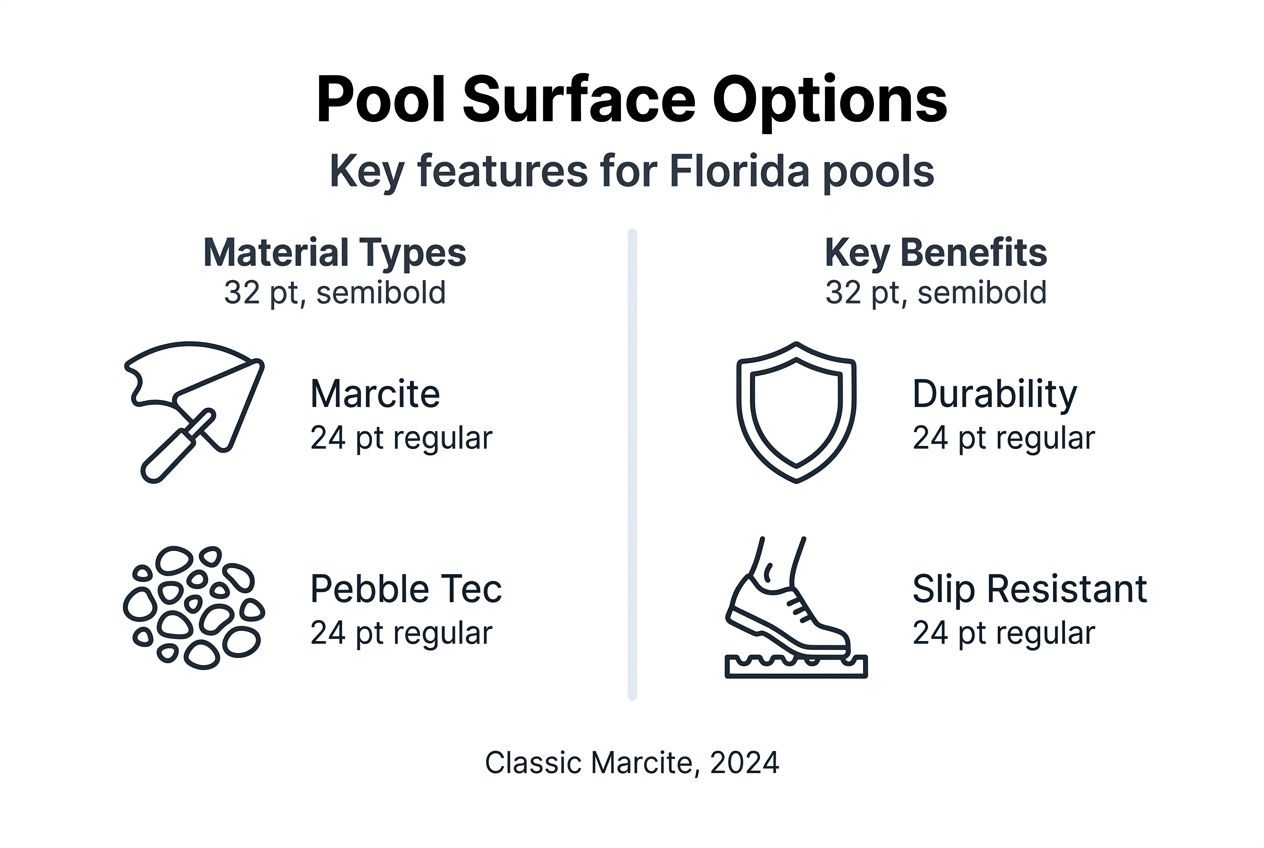
Marcite offers the lowest upfront cost but requires replacement every 7 to 10 years. This traditional plaster finish works well for budget projects but demands more frequent maintenance. Pebble Tec® offers superior durability and lifespan compared to Marcite and quartz finishes in Florida’s challenging climate.
Pebble Tec® costs more initially but lasts 20 to 25 years with proper care. It provides exceptional slip resistance and comes in numerous color options. Quartz finishes split the difference, offering vibrant colors with a 12 to 15 year lifespan.
| Material | Lifespan | Initial Cost | Maintenance | Slip Resistance | Best For |
|---|---|---|---|---|---|
| Marcite | 7-10 years | Lowest | High frequency | Moderate | Budget projects |
| Quartz | 12-15 years | Medium | Moderate | Good | Color variety |
| Pebble Tec® | 20-25 years | Highest | Low frequency | Excellent | Long-term value |
Maintenance needs vary significantly by material. Pebble Tec® requires less frequent repairs and professional attention, while Marcite demands regular monitoring and patching. Consider these factors:
- Budget constraints and total ownership costs
- Desired aesthetic appearance and color options
- Expected property ownership timeline
- Climate exposure and pool usage intensity
- Maintenance time and cost preferences
Compare resurfacing versus replastering options to understand which approach suits your situation. The right choice balances upfront investment with long-term performance.
Common misconceptions about pool resurfacing
Many people believe resurfacing is purely cosmetic. This myth costs homeowners thousands in preventable damage. Resurfacing is crucial for waterproofing and structural repair, not just appearance.
Another misconception suggests choosing the cheapest option saves money. In reality, higher upfront costs for quality materials reduce long-term maintenance expenses by 20 to 40%. Investing in premium materials delivers better value over time.
Some homeowners consider DIY resurfacing to save labor costs. This approach often leads to failures due to improper surface preparation, incorrect mixing ratios, and inadequate curing conditions. Florida’s humidity makes proper curing especially challenging without professional expertise.
Professional services ensure longevity and safety, particularly in Florida’s demanding climate. Licensed contractors understand:
- Proper surface preparation techniques for Florida conditions
- Correct material mixing ratios for humidity levels
- Optimal application timing and weather requirements
- Required curing procedures for maximum durability
- Local building codes and safety standards
The belief that all resurfacing materials perform equally is false. Material chemistry, application technique, and environmental factors dramatically affect outcomes. Professional contractors match materials to specific pool conditions and usage patterns.
Understanding common resurfacing misconceptions prevents costly mistakes. Quality workmanship and appropriate materials protect your investment for decades.
Practical guidance for upgrading pool surfaces
Timing your resurfacing project correctly maximizes results. Schedule resurfacing during Florida’s dry season, typically October through April. Low humidity during these months ensures proper curing and bonding of new materials.
Follow these steps for successful pool resurfacing:
- Assess your current pool surface to identify all damage and needed repairs.
- Research material options and compare costs against expected lifespan.
- Select an experienced contractor with Florida-specific expertise and proper licensing.
- Plan the project timeline, accounting for a typical 7 to 10 day completion period.
- Prepare your pool area by removing furniture and protecting landscaping.
- Follow post-resurfacing care instructions precisely for optimal curing.
- Establish a regular maintenance schedule with inspections and cleaning.
Choose a contractor experienced with Florida pool conditions. Review their portfolio, verify licensing and insurance, and check references. Selecting a qualified pool resurfacing contractor requires careful evaluation of experience and reputation.
Balance your budget with desired lifespan and aesthetic outcomes. A mid-range investment often delivers the best value, avoiding both cheap failures and unnecessary premium costs. Consider total ownership costs over the material’s expected life.
Proper preparation before resurfacing ensures better results. Clean the pool thoroughly, repair underlying structural issues, and address any plumbing or equipment problems before starting.
Pro Tip: Get multiple quotes but don’t automatically choose the lowest price. Evaluate what each contractor includes in their scope of work and warranty terms.
Enhance your Florida pool with professional resurfacing
Your pool deserves protection from Florida’s demanding climate. Classic Marcite offers professional resurfacing tailored specifically to our state’s unique environmental challenges. Our experts help you select durable, safe materials like Pebble Tec® that extend pool life and enhance daily enjoyment.

With over 100,000 pools resurfaced since 1988, we understand Florida conditions better than anyone. Our pool resurfacing services boost property value while creating safer, more beautiful pool environments for your family. We’re Central Florida’s largest Pebble Tec® applicator, delivering unmatched expertise and quality.
Explore our comprehensive services and client resources to start your upgrade project. Our expert pool contractors guide you through material selection, timeline planning, and long-term maintenance. Discover why thousands of Florida homeowners trust Classic Marcite with their pool investments. Learn more about Pebble Tec® resurfacing options and request your free estimate today.
Frequently asked questions
What causes pool surfaces to degrade faster in Florida?
Florida’s intense year-round UV radiation breaks down surface materials at an accelerated rate. High humidity levels promote corrosion, mold growth, and algae that attack protective coatings. Pool chemicals combined with heat create aggressive conditions that erode surfaces faster than in cooler climates.
How often should I resurface my pool in Florida?
Traditional plaster surfaces need resurfacing every 7 to 10 years in Florida. Premium materials like Pebble Tec® can last up to 25 years with proper maintenance. Your actual timeline depends on pool usage intensity, chemical balance maintenance, and exposure to direct sunlight.
Is professional pool resurfacing worth the investment compared to DIY?
Professional resurfacing ensures quality, safety, and durability that DIY projects rarely achieve. Licensed contractors provide warranties and understand Florida’s humidity challenges for proper curing. DIY attempts often fail within months due to improper preparation or application, costing more to fix than professional work would have cost initially.
What resurfacing material is best for Florida pools?
Pebble Tec® offers the longest lifespan and best slip resistance for Florida conditions. Marcite suits budget-conscious projects but requires more frequent replacement and maintenance. Quartz provides a middle option with good aesthetics and moderate durability, typically lasting 12 to 15 years.
