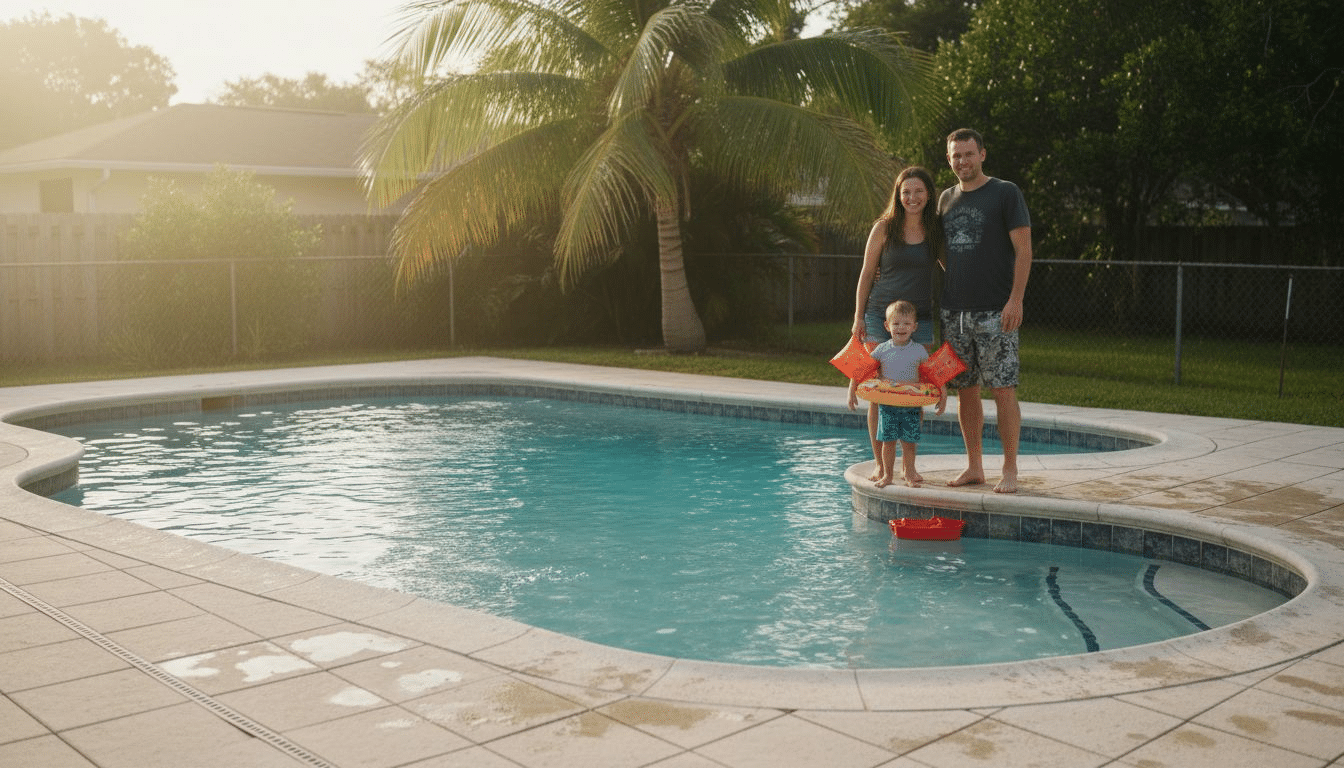
Your pool’s surface finish can last anywhere from 7 to 20 years depending on the material you choose, a critical decision for Florida homeowners facing intense sun, humidity, and acidic rain. Selecting the right pool finish protects your investment, reduces maintenance headaches, and transforms your backyard into a stunning oasis. This guide breaks down plaster, marcite, pebble, and tile finishes to help you make an informed choice tailored to Florida’s unique climate challenges.
Table of Contents
- Introduction To Pool Finishes In Florida
- Major Types Of Pool Finishes Explained
- Advantages Of Pebble Tec® For Florida Pools
- Durability And Maintenance Factors Under Florida Weather
- Common Misconceptions About Pool Finishes
- Comparison Chart And Framework For Pool Finish Selection
- Step-By-Step Process For Professional Pool Resurfacing
- Cost And Return On Investment Considerations For Florida Homeowners
- Frequently Asked Questions About Pool Finish Types
Key takeaways
| Point | Details |
|---|---|
| Pebble Tec® outperforms plaster | Natural stone blends resist Florida’s sun and acidic rain, lasting 15-20 years versus plaster’s 5-7 years. |
| Material choice impacts maintenance | Pebble and tile finishes require less frequent chemical balancing and cleaning compared to plaster or marcite. |
| Climate drives durability differences | UV exposure and acid rain degrade cement-based finishes faster, making weather-resistant materials essential. |
| Upfront cost versus lifetime value | Higher initial investment in pebble or tile pays off through extended lifespan and lower maintenance expenses. |
| Professional application matters | Proper surface prep and expert installation prevent premature failure and maximize finish longevity. |
Introduction to pool finishes in Florida
Florida’s subtropical climate creates a challenging environment for pool surfaces. The state’s year-round intense UV radiation accelerates fading and material breakdown. High humidity levels encourage algae growth and require more frequent chemical treatments. Acidic rain, common throughout Florida, etches and stains cement-based surfaces faster than in drier climates.
Homeowners want pool finishes that deliver three core benefits: lasting durability against weather extremes, beautiful aesthetics that complement their property, and manageable maintenance that doesn’t consume weekends. Finding the right balance requires understanding how different materials respond to Florida’s conditions.
Four main finish types dominate the Florida pool market:
- Plaster: Traditional cement-based coating offering a smooth, classic white finish at the lowest initial cost
- Marcite: Quartz sand mixed with cement for added strength and a slightly more durable surface
- Pebble: Natural stone blends like Pebble Tec® known for exceptional durability and slip resistance
- Tile: Premium ceramic or glass tiles providing luxury aesthetics with the highest price tag
Each option presents distinct tradeoffs in texture, expected lifespan, upfront investment, and ongoing care requirements. You can explore various examples of pool finishes Florida homes choose to see real-world applications. Understanding these materials helps you select a finish aligned with your budget, aesthetic vision, and maintenance tolerance.
Pro Tip: Consider your pool’s exposure to direct sunlight when selecting a finish. South-facing pools receive maximum UV exposure and benefit most from fade-resistant materials like pebble or tile.
Major types of pool finishes explained
Let’s break down the characteristics, advantages, and limitations of each major finish type to build your decision-making foundation.
Plaster finishes consist of white cement mixed with marble dust or sand, creating a smooth surface. They offer the most affordable entry point for pool resurfacing but typically last only 5-7 years in Florida’s harsh climate. Plaster requires frequent acid washing to remove stains and maintain appearance. The smooth surface feels pleasant underfoot but becomes slippery when wet, raising safety concerns for families with children.
Marcite finishes blend quartz sand with white cement for improved durability over standard plaster. This combination creates a slightly textured surface that resists staining better than plain plaster. Marcite typically lasts 7-10 years but still requires regular maintenance and chemical balancing. The moderate cost makes it appealing to budget-conscious homeowners seeking a step up from basic plaster. You can learn more about what pool plaster is and how it performs in Florida conditions.
Pebble finishes incorporate small natural stones like quartz, granite, or river pebbles bound with cement. This creates a textured, slip-resistant surface in various colors and patterns. Pebble finishes excel in Florida, lasting 15-20 years with proper care. The natural stone resists fading, staining, and chemical damage far better than cement-based alternatives. Understanding what Pebble Tec® is helps you grasp why it dominates the Florida market.
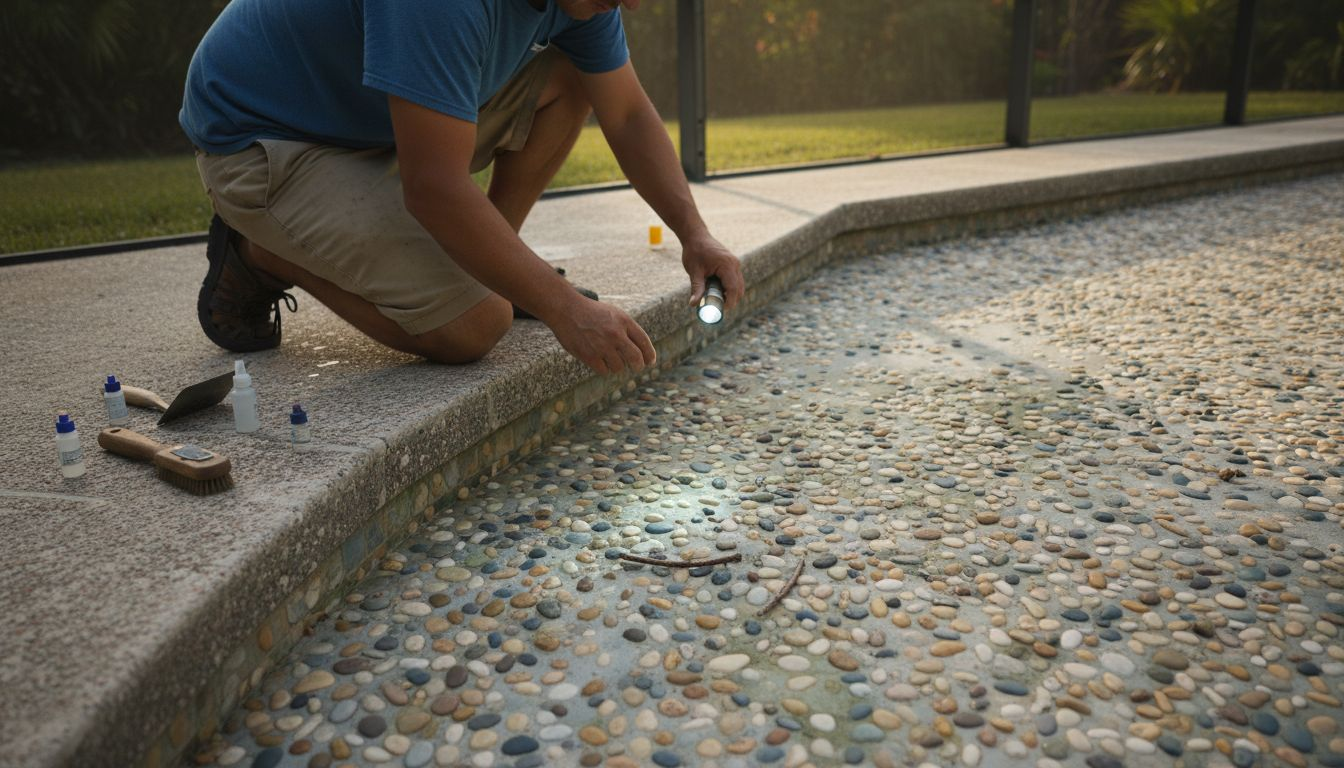
Tile finishes use individual ceramic, porcelain, or glass tiles to create stunning visual effects. Tiles offer virtually unlimited design possibilities and exceptional durability, often lasting 25+ years. They resist chemicals, staining, and fading better than any other option. However, tile installation costs run 30-50% higher than pebble finishes, and grout lines require periodic maintenance to prevent algae buildup in Florida’s humid climate.
Advantages of Pebble Tec® for Florida pools
Pebble Tec® has become the gold standard for Florida pool resurfacing, and the reasons extend beyond marketing hype. This finish delivers concrete advantages specifically suited to our state’s demanding environment.
Weather resistance stands as Pebble Tec®’s most compelling benefit. The natural stone composition withstands UV radiation without fading or chalking like cement-based finishes. Florida’s acidic rain causes minimal etching on the hard pebble surface compared to the rapid deterioration of plaster or marcite. This durability translates to exceptional longevity that protects your investment.
Customization options let you create a pool that reflects your personal style and complements your landscaping. Pebble Tec® comes in dozens of color blends ranging from Caribbean blues to earth tones that mimic natural lagoons. The varied pebble sizes and colors create depth and shimmer that flat finishes cannot match. This aesthetic versatility makes every pool unique.
Safety improves dramatically with Pebble Tec®’s naturally textured surface. The small pebbles provide excellent grip even when wet, reducing slip and fall risks for children and elderly family members. This matters especially around pool steps, shallow play areas, and entry points where smooth plaster becomes dangerously slick.
Maintenance demands drop significantly compared to plaster. The non-porous pebble surface resists algae attachment, reducing chemical usage and scrubbing frequency. You’ll spend less time balancing pH levels and fighting stains. The finish doesn’t require acid washing to maintain appearance, saving hundreds in annual maintenance costs.
Pro Tip: Choose lighter Pebble Tec® colors for pools receiving intense afternoon sun. Dark finishes absorb more heat and can become uncomfortable for swimmers during Florida’s peak summer months.
Durability and maintenance factors under Florida weather
Florida’s climate accelerates pool finish deterioration in ways that northern states never experience. Understanding these environmental stressors helps you select materials that thrive despite the challenges.
UV radiation intensity in Florida ranks among the nation’s highest, creating constant stress on pool surfaces. Cement-based finishes like plaster absorb UV energy, causing the binder to break down and the surface to chalk or flake. Pebble Tec® resists this degradation because the natural stones themselves don’t degrade under UV exposure. The minimal cement binder sits protected between pebbles rather than on the exposed surface.
Acid rain occurs frequently across Florida due to atmospheric moisture and pollutants. This acidic precipitation etches calcium-based materials, creating rough spots and discoloration on plaster and marcite surfaces. The process accelerates surface aging and requires more frequent resurfacing. Pebble and tile finishes show minimal acid damage because the hard stone or ceramic materials resist chemical erosion.
Proper chemical balancing forms your first line of defense against premature finish failure. Follow these maintenance priorities:
- Test water chemistry weekly during swimming season, biweekly in winter
- Maintain pH between 7.2-7.6 to prevent both acidic etching and scale buildup
- Keep calcium hardness at 200-400 ppm to protect finish integrity
- Monitor total alkalinity at 80-120 ppm as a pH buffer
- Shock treat weekly during summer to prevent algae without over-chlorinating
Regular cleaning extends finish lifespan regardless of material type. Brush your pool weekly to remove debris and prevent stain formation. Skim daily during leaf season to keep organic matter from settling. Vacuum weekly to eliminate dirt and prevent buildup in textured surfaces. Following proper pool maintenance after resurfacing ensures you maximize your investment.
Pro Tip: Install a saltwater system rather than traditional chlorine if you choose Pebble Tec®. The gentler chlorine production reduces chemical stress on the finish while maintaining crystal-clear water.
Common misconceptions about pool finishes
Several persistent myths about pool finishes lead homeowners to make costly mistakes. Let’s separate fact from fiction to refine your decision-making.
Myth: All finishes last equally long with proper care. Correction: Material composition drives lifespan far more than maintenance. Even perfectly maintained plaster lasts only 5-7 years in Florida because UV and acid rain chemically degrade the cement binder. Pebble Tec® routinely reaches 15-20 years because the natural stones don’t break down. No amount of careful maintenance can overcome inferior material properties.
Myth: Higher upfront cost for premium finishes doesn’t pay off. Correction: Total cost of ownership tells the real story. A $5,000 plaster job lasting 6 years costs $833 annually. A $9,000 Pebble Tec® installation lasting 18 years costs $500 annually. Factor in lower maintenance expenses and the premium finish saves thousands over time while delivering superior aesthetics and performance.
Myth: DIY pool resurfacing matches professional quality. Correction: Surface preparation determines finish longevity more than any other factor. Professionals use specialized equipment to achieve proper bonding surfaces, correct minor structural issues, and ensure uniform application. DIY attempts commonly fail within 2-3 years due to improper acid etching, inadequate repairs, inconsistent thickness, or poor curing conditions. The money saved upfront evaporates when premature failure forces complete redo.
Myth: Textured finishes are harder to clean than smooth surfaces. Correction: Modern pebble finishes actually resist staining better than smooth plaster despite their texture. The non-porous stone doesn’t absorb chemicals or allow algae to penetrate like cement does. While the texture requires proper brushing technique, you’ll spend less total time on maintenance because stains form less frequently.
Comparison chart and framework for pool finish selection
Making an informed finish selection requires weighing multiple factors simultaneously. This comparison provides an objective framework to evaluate your options against your specific priorities.
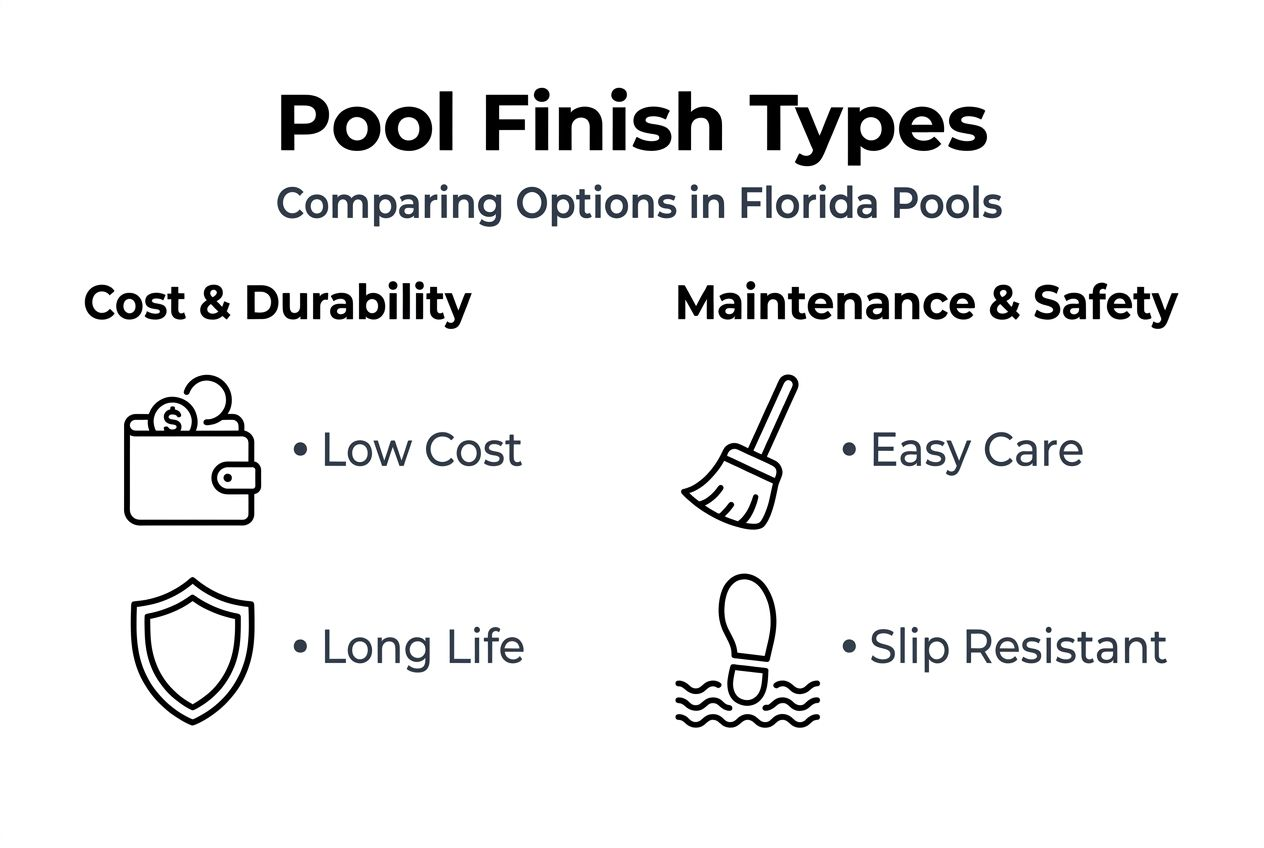
| Factor | Plaster | Marcite | Pebble Tec® | Tile |
|---|---|---|---|---|
| Upfront Cost | $ | $$ | $$$ | $$$$ |
| Expected Lifespan | 5-7 years | 7-10 years | 15-20 years | 25+ years |
| Maintenance Level | High | Moderate | Low | Low |
| Aesthetic Options | Limited | Moderate | Extensive | Unlimited |
| Slip Resistance | Poor | Fair | Excellent | Good |
| Stain Resistance | Poor | Fair | Excellent | Excellent |
| UV Resistance | Poor | Fair | Excellent | Excellent |
| Repair Complexity | Moderate | Moderate | High | Moderate |
Use this decision framework to narrow your choices:
Budget-focused homeowners seeking the lowest entry cost should consider plaster or marcite but understand the tradeoff in frequent resurfacing cycles. Calculate total cost over 15 years to see if apparent savings hold up.
Value-oriented homeowners balancing cost and longevity find Pebble Tec® delivers the best return on investment. The moderate upfront premium pays for itself through extended lifespan and reduced maintenance.
Luxury-focused homeowners prioritizing stunning aesthetics and maximum durability should evaluate tile finishes. Tile pool finishes offer premium appeal but at significant expense.
Safety-conscious families with children or elderly members should prioritize slip resistance, making Pebble Tec® or properly textured tile the clear choices over smooth plaster or marcite.
Low-maintenance homeowners wanting minimal upkeep should invest in pebble or tile finishes that resist staining and require less frequent chemical intervention.
Step-by-step process for professional pool resurfacing
Understanding the resurfacing process helps you set realistic expectations and recognize quality workmanship when you see it. Professional contractors follow these critical steps:
- Inspect and assess existing surface condition. Professionals drain your pool and examine the current finish for cracks, delamination, structural issues, and underlying problems. They identify areas requiring repair beyond simple resurfacing. This inspection determines if additional work like leak detection or structural reinforcement is necessary before applying new finish.
- Select appropriate finish material. Review your priorities for durability, aesthetics, maintenance, budget, and safety. Your contractor should explain how each option performs in Florida’s climate and recommend materials suited to your specific situation. This consultation phase prevents regret after installation.
- Prepare the surface thoroughly. Workers remove the old finish through sandblasting or chipping, exposing clean concrete. They repair cracks, bond beam damage, and structural issues. The surface receives acid etching to create proper bonding conditions. This preparation phase determines whether your new finish lasts its full expected lifespan or fails prematurely.
- Apply new finish with expert technique. Professional crews work quickly to achieve uniform thickness and consistent appearance. Pebble finishes require careful stone distribution for even coverage. Tile installations demand precision spacing and leveling. Proper technique prevents weak spots, color variations, and early failure.
- Cure and start up correctly. New finishes need specific curing procedures before swimming. Plaster requires acid washing and careful initial chemical balancing. Pebble finishes need gentle brushing during the first weeks to remove loose cement. Following proper pool resurfacing procedures from start to finish maximizes your investment.
Cost and return on investment considerations for Florida homeowners
Financial planning for pool resurfacing extends beyond the initial estimate. Smart homeowners evaluate total lifecycle costs and property value impact.
Initial installation costs vary dramatically by material and pool size:
- Plaster: $3,500-$6,500 for average 400 sq ft pool
- Marcite: $5,000-$8,000 for average pool
- Pebble Tec®: $8,000-$12,000 for average pool
- Tile: $12,000-$25,000+ depending on tile type and design complexity
Lifespan differences dramatically affect cost per year of service. Compare these scenarios for a typical pool:
| Finish Type | Initial Cost | Lifespan | Cost Per Year | 20-Year Total |
|---|---|---|---|---|
| Plaster | $5,000 | 6 years | $833 | $16,660 (3-4 resurfaces) |
| Marcite | $6,500 | 8 years | $813 | $19,500 (2-3 resurfaces) |
| Pebble Tec® | $10,000 | 18 years | $556 | $11,120 (1-2 resurfaces) |
| Tile | $18,000 | 25+ years | $720 | $18,000 (0-1 resurface) |
Maintenance expenses add another cost layer. Plaster requires weekly acid washing services costing $100-150 monthly during swimming season. Pebble finishes need minimal professional maintenance beyond normal pool service. Over 10 years, this difference totals $6,000-9,000 in additional plaster maintenance costs.
Property value increases depend on local market conditions, but quality pool finishes add measurable appeal. Real estate agents report that homes with recently resurfaced pools using premium materials like Pebble Tec® sell faster and command 2-4% higher prices than comparable homes with aging plaster pools. For a $500,000 home, that’s $10,000-20,000 in added value. The superior appearance of marcite finishes versus deteriorating plaster creates strong curb appeal.
Ready to enhance your Florida pool with expert resurfacing?
Choosing the right pool finish transforms your backyard from ordinary to extraordinary while protecting your investment for decades. The insights you’ve gained here provide the foundation for a confident decision.
Classic Marcite specializes in durable, beautiful Pebble Tec® resurfacing engineered specifically for Florida’s challenging climate. As Central Florida’s largest Pebble Tec® applicator since 1988, we’ve transformed over 100,000 pools with expert craftsmanship that maximizes finish lifespan and visual impact.

Our professional application process ensures proper surface preparation, uniform material distribution, and correct curing for lasting results. We help you select the ideal finish blend to complement your home’s architecture and landscaping vision. Understanding the differences between pool replastering and resurfacing helps you make the right choice for your situation. Whether you need complete pool renovation or targeted repairs, our team delivers solutions backed by decades of Florida-specific expertise. Explore our comprehensive pool resurfacing services and discover how we can upgrade your pool’s performance and beauty today.
Frequently asked questions about pool finish types
What is the longest-lasting pool finish for Florida?
Pebble Tec® and tile finishes deliver the longest lifespan in Florida’s climate. Pebble finishes typically last 15-20 years while premium tile installations can exceed 25 years. Both resist UV damage, acidic rain, and chemical stress far better than cement-based plaster or marcite, which last only 5-10 years.
How often should I resurface a plaster pool in Florida?
Expect to resurface plaster pools every 5-7 years in Florida due to intense sun exposure and acidic rain that accelerate surface degradation. Signs you need resurfacing include rough texture, visible staining, chalking, or exposed aggregate. Regular maintenance extends lifespan toward the upper range but cannot overcome material limitations.
Is Pebble Tec® slippery when wet?
No, Pebble Tec® provides excellent slip resistance due to its naturally textured surface. The small pebbles create grip even when wet, making it safer than smooth plaster or marcite finishes. This makes Pebble Tec® ideal for families with children, elderly swimmers, or anyone concerned about pool safety.
Can I apply a pool finish myself?
DIY pool finishing is not recommended due to specialized equipment needs and technique requirements. Professional application ensures proper surface preparation, uniform material distribution, and correct curing that determine finish longevity. DIY attempts commonly fail within 2-3 years, requiring costly complete redo that eliminates any initial savings.
How does the cost of tile compare to pebble finishes?
Tile installation costs 30-50% more than pebble finishes upfront, typically $12,000-25,000+ versus $8,000-12,000 for average pools. However, tile’s 25+ year lifespan and minimal maintenance needs can justify the premium for luxury-focused homeowners. Pebble finishes offer better value for most Florida homeowners seeking durability without extreme cost.
What maintenance does Pebble Tec® require in Florida?
Pebble Tec® requires standard pool maintenance including weekly brushing, regular chemical balancing, and debris removal. Unlike plaster, it doesn’t need periodic acid washing or aggressive stain removal treatments. Maintain pH at 7.2-7.6, brush weekly with a nylon brush, and avoid harsh chemicals that can damage the finish over time.
Recommended
- 7 Popular Examples Of Pool Finishes For Florida Homes
- Pool Interior Finishes Florida 2026: Pebble Tec® Lasts 25 Years
- Why Choose Local Pool Companies In Florida
- 7 Essential Pool Remodeling Ideas For Florida Properties
- Blog Archives – Floor Polishing and Restoration Services Dubai
- Pool Resurfacing The Villages FL