TL;DR:
- Pool pitting results from aggressive water chemistry causing surface erosion and can worsen without intervention.
- Regular water testing and balancing are essential to prevent surface damage, especially in Florida’s climate.
- Severe or widespread pitting requires full resurfacing to restore safety, appearance, and long-term durability.
Many Florida pool owners run their hands across a rough or patchy pool surface and assume it’s just normal wear. It isn’t. Pool pitting refers to localized surface damage on pool plaster or finishes, showing up as small pits, rough patches, or a mottled texture caused by aggressive water etching due to imbalanced chemistry. In Orlando and Jacksonville, where heat, rain, and evaporation push water chemistry off balance constantly, this problem is more common than most owners realize. Left alone, pitting escalates from a cosmetic annoyance to a structural concern that demands full resurfacing. This guide walks you through how to spot it, what causes it, and what to do about it.
Table of Contents
- Recognizing pool pitting: Signs and symptoms
- What causes pool pitting? Chemistry and environment explained
- Surface pitting versus metal pitting: Key differences for pool owners
- How to prevent and repair pool pitting
- When to resurface: Assessing severity and long-term pool value
- A pool expert’s take: Why early action beats expensive repairs
- Explore professional solutions for pool pitting and resurfacing
- Frequently asked questions
Key Takeaways
| Point | Details |
|---|---|
| Early detection matters | Catching pitting when it’s still minor helps avoid costly pool resurfacing. |
| Keep water chemistry balanced | Regular testing and correction prevent etching of plaster and finishes. |
| Resurfacing restores value | Professional resurfacing solves deep pitting and enhances safety, aesthetics, and durability. |
| Regional conditions increase risk | Florida’s heat, rain, and hard water make vigilant pool care especially important. |
| Distinguish surface from metal pitting | Surface pitting and metal corrosion require different solutions—diagnose carefully before acting. |
Recognizing pool pitting: Signs and symptoms
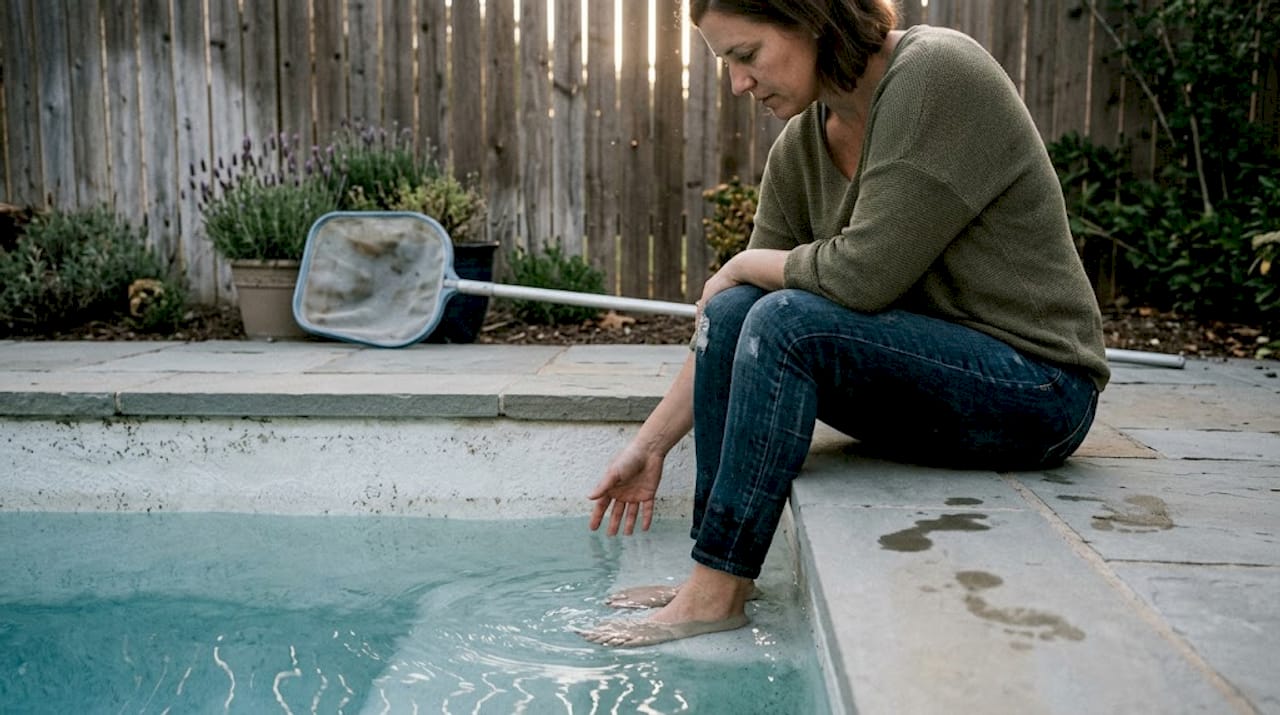
You don’t need a water testing kit to suspect pool pitting. Your body tells you first. If the pool floor feels like sandpaper underfoot or your hands come out scratched after touching the walls, pitting is likely already underway. That rough texture isn’t just uncomfortable. It’s a surface actively breaking down.
Visually, the signs are just as clear. Look for:
- Dull or faded finish that doesn’t respond to cleaning
- Visible pits or streaks scattered across walls or the floor
- Dark mottled spots that return even after brushing
- Frequent algae blooms despite normal chlorine levels
- Flaking or powdery residue on pool steps or ledges
The algae connection is worth noting. Pitted surfaces create microscopic crevices where algae anchor and thrive, making them nearly impossible to remove with standard brushing. If you’re fighting recurring algae and your chemistry looks fine, the surface itself may be the problem.
One key diagnostic tool professionals use is the CSI (Calcium Saturation Index), sometimes called the LSI (Langelier Saturation Index). This number reflects how balanced your water is relative to your plaster. According to surface care indicators, a CSI below negative 0.3 actively triggers etching on plaster surfaces. At that point, water is literally pulling calcium out of your pool walls.
The longer pitting goes unaddressed, the deeper it gets. Early pitting is surface level and manageable. But within one to two seasons, especially in Florida’s aggressive climate, shallow pitting can expand into aggregate exposure, where the small stones beneath the plaster become visible and sharp. That’s a different repair category entirely.
Learning how to maintain pool surface conditions from the start is far less expensive than correcting advanced damage. Most pool owners who catch pitting early say the same thing: they wish they had looked closer, sooner. Regular visual inspections, ideally monthly, are one of the most underrated pool maintenance tips available to you.
What causes pool pitting? Chemistry and environment explained
Spotting the symptoms is only part of the solution. Understanding the causes is crucial to preventing future pitting.
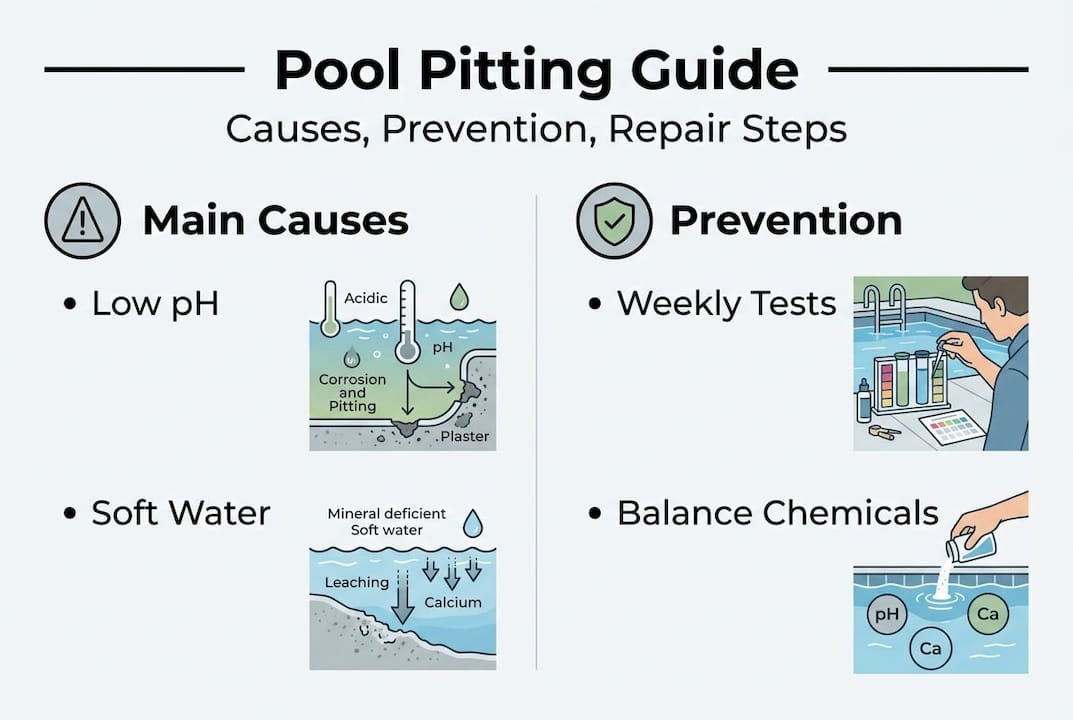
At its core, pool pitting is a chemistry problem. Pool plaster is made largely of calcium compounds. When your water becomes chemically aggressive, it seeks calcium to satisfy its demand. The nearest source? Your pool walls. Aggressive water with low pH below 7.2, low calcium hardness below 150 to 200 ppm, and low alkalinity dissolves calcium directly from plaster through a process called chemical leaching. The result is a pitted, eroded surface.
Here’s how the key chemistry factors interact:
| Parameter | Safe range | Pitting risk zone |
|---|---|---|
| pH | 7.4 to 7.6 | Below 7.2 |
| Calcium hardness | 200 to 400 ppm | Below 150 ppm |
| Total alkalinity | 80 to 120 ppm | Below 60 ppm |
| CSI/LSI | 0.0 to +0.3 | Below negative 0.3 |
Florida’s climate adds serious pressure to all four of these. High heat, evaporation, and rain consistently dilute pool chemistry and accelerate pitting risk, especially during summer months when evaporation rates spike and afternoon storms dump large volumes of fresh water into pools.
Evaporation concentrates minerals but also drops water volume, creating an uneven chemical environment. Rain dilutes everything: pH, calcium, and alkalinity all drop together. If you’re not testing and correcting after every significant rain event in Orlando or Jacksonville, your water may spend days in the aggressive zone without you knowing.
Saltwater pools carry their own risk layer. Salt chlorine generators are efficient, but if pH drifts upward or salt levels go unchecked, the chemistry can flip toward corrosive conditions faster than a traditional chlorine system.
Pro Tip: After any heavy Florida rainstorm, test your pool water within 24 hours. Rain is essentially soft, slightly acidic water. Even one inch of rainfall into a residential pool can drop pH and alkalinity enough to push your CSI into etching territory. Catching it fast costs almost nothing. Missing it costs your plaster.
For more targeted advice, review pool chemistry tips and learn how Florida pool surface issues develop in real conditions.
Surface pitting versus metal pitting: Key differences for pool owners
Now that chemical causes are clear, it’s important to distinguish between plaster and metal pitting, which are often confused by owners.
The word “pitting” sounds the same whether you’re talking about your pool’s plaster or your stainless steel ladder. But these are very different problems with different causes and different fixes.
Surface (plaster) pitting:
- Caused by chemically aggressive water etching calcium from plaster
- Appears as rough texture, spots, or mottled areas across walls and floor
- Worsens over weeks and months if chemistry stays off
- Remedies range from polishing (mild) to full resurfacing (severe)
Metal pitting:
- Affects ladders, handrails, heater components, and fittings
- Caused by galvanic corrosion (dissimilar metals reacting) or high chloride levels combined with low pH
- Appears as small craters or rust staining on metal surfaces
- Requires equipment inspection, bonding checks, or component replacement
As industry standards note, surface etching on plaster is far more common than true metal pitting in residential pools. Metal pitting is more often an equipment problem and requires a different diagnostic process. Confusing the two leads owners to treat the wrong issue and spend money in the wrong place.
A quick field test: run your hand across the pool floor and walls. If the rough sensation is widespread and on the plaster itself, that’s surface pitting. If the damage is localized to a fitting, ladder foot, or metal component, investigate your bonding and chloride levels instead.
| Issue type | Location | Primary cause | Recommended action |
|---|---|---|---|
| Surface pitting | Plaster walls/floor | Aggressive water chemistry | Balance water, polish or resurface |
| Metal pitting | Hardware, fittings | Galvanic corrosion, chlorides | Equipment inspection, bonding check |
Both problems share one root fix: consistent water chemistry management. Reviewing best practices for maintaining your pool surface gives you a framework that protects both plaster and metal components at the same time.
How to prevent and repair pool pitting
Understanding the differences helps you act faster. So, what practical steps stop pitting, and what are your options if you already see damage?
Prevention checklist:
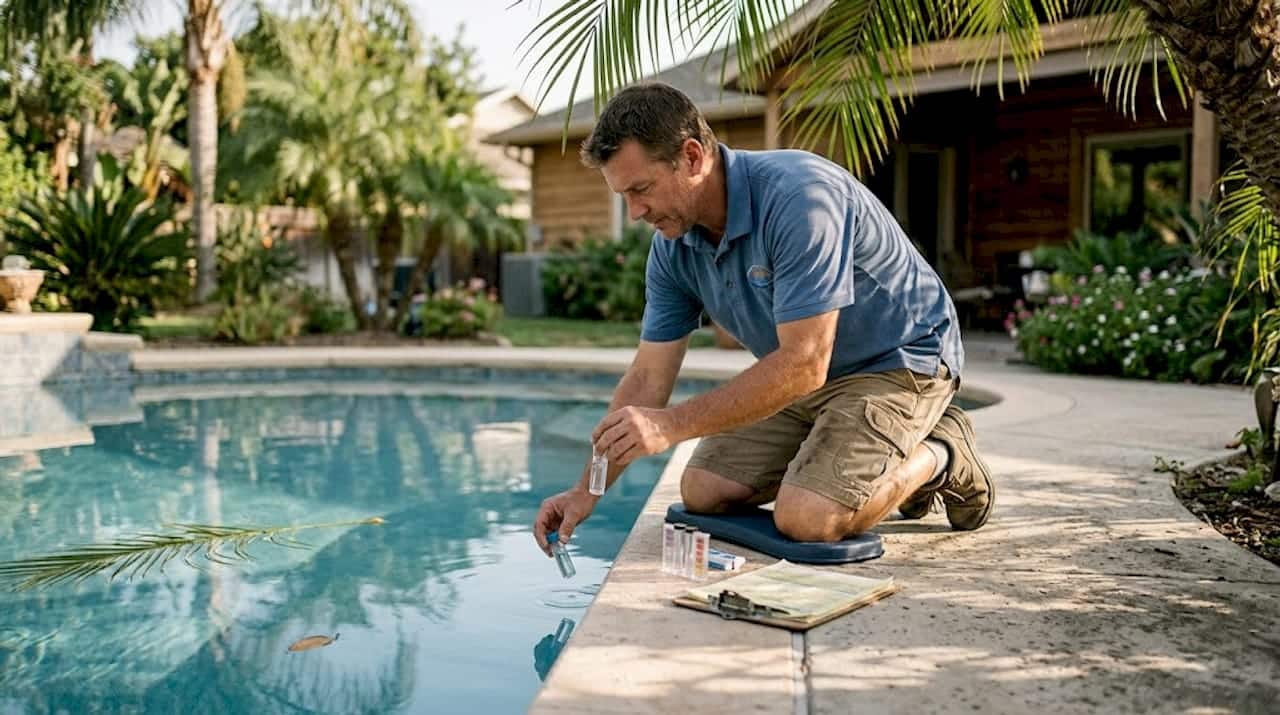
- Test your water at least once per week using a reliable test kit or strips
- Adjust pH, alkalinity, and calcium hardness after every significant rainfall
- Use calcium saturation testing to calculate your CSI before problems develop
- Schedule professional water analysis every three months
- After any resurfacing work, follow the start-up chemistry protocol your contractor provides
Consistent weekly testing is the single most effective prevention tool available. Balanced water maintained weekly avoids the chemistry swings that cause etching. Skipping a week during a rainy Florida month is exactly when damage begins.
“Inconsistent service accelerates surface damage faster than age alone. Florida pool professionals consistently point to start-up chemistry after resurfacing as the most critical window for protecting a new surface.” Florida surface care experts
Repair options by severity:
- Mild pitting (early stage): Professional polishing or acid washing can smooth surface texture and buy additional seasons of use
- Moderate pitting: Spot patching with compatible plaster mix, followed by strict chemistry management
- Severe pitting: Full resurfacing is the only lasting solution when aggregate is exposed or damage covers large areas
Pro Tip: Don’t wait for visible aggregate to take action. If your pool feels noticeably rougher than it did a year ago, book a professional inspection. Early intervention almost always costs less than waiting another season.
To maintain pool finish longevity, pair consistent chemistry with annual surface inspections. If resurfacing becomes necessary, understanding the pool resurfacing prep steps ahead of time makes the process faster and less disruptive.
When to resurface: Assessing severity and long-term pool value
When prevention or spot repairs aren’t enough, here’s how to decide if resurfacing is your best long-term solution.
Pool plaster has a finite lifespan. Plaster typically lasts 7 to 15 years, but Florida’s climate shortens that window without disciplined maintenance. Once etching goes deep enough to be irreversible, resurfacing isn’t optional. It’s the only path forward.
Here’s how to gauge where your pool stands:
| Condition | Severity | Action |
|---|---|---|
| Slightly rough texture, no visible pits | Mild | Chemistry correction, monitor monthly |
| Scattered pits, some dull patches | Moderate | Professional polishing or spot repair |
| Widespread roughness, dark spots | Severe | Full resurfacing |
| Exposed aggregate, sharp surfaces | Critical | Resurface immediately |
The clearest trigger point is surface coverage. If more than 20 to 30% of your pool’s surface shows roughness, pitting, or spalling (where plaster chips or flakes away), you’ve crossed the line from repair territory into resurfacing territory.
Benefits of resurfacing beyond fixing the damage:
- Safer swimming surface for children and guests
- Dramatically improved water clarity and color
- Easier ongoing maintenance with a smoother finish
- Significant boost to property value and visual appeal
- Longer intervals between future repairs with modern finishes
Materials like Pebble Tec® offer superior durability over standard plaster, making them a smart upgrade for Florida pools exposed to constant climate stress. Understanding the pool resurfacing cost factors ahead of time helps you budget accurately and compare options without surprises.
A pool expert’s take: Why early action beats expensive repairs
Here’s what decades working on Florida pools have made clear: the owners who spend the least money over the life of a pool are rarely the ones with the newest finishes. They’re the ones who test their water every single week without exception.
The biggest mistake we see in Orlando and Jacksonville? Homeowners invest in a premium resurfacing job, then skip consistent chemistry management because the new surface looks great. Within two or three seasons, inconsistent service accelerates damage faster than age alone. The finish starts pitting again, and the same owner who just paid for resurfacing is looking at repair costs ahead of schedule.
A quality surface is only as durable as the water surrounding it. Regular weekly tests and small, timely chemical adjustments cost a fraction of what a single repair bill runs. Protecting your investment means staying consistent, not just reacting when something looks wrong. To maintain pool surface health long term, the routine matters more than the material.
Explore professional solutions for pool pitting and resurfacing
If your pool surface is showing early signs of pitting or you want a professional evaluation before problems grow, getting expert input early saves you time and money. Classic Marcite has resurfaced over 100,000 pools across Florida since 1988, and we understand exactly how Orlando and Jacksonville conditions accelerate surface damage.

Whether you’re looking to understand pool resurfacing basics or explore premium options like Pebble Tec finishes that hold up against Florida’s demanding climate, we can walk you through the right choice for your pool. Contact us for a free estimate and get a clear picture of what your pool actually needs.
Frequently asked questions
What is the main cause of pool pitting?
Aggressive pool water with low pH below 7.2, low calcium hardness, and low alkalinity chemically etches plaster surfaces, pulling calcium directly out of the pool walls. Florida’s heat makes this process faster than in most other states.
Can I fix minor pool pitting myself or is resurfacing always needed?
Early pitting can be polished smooth by a professional without full resurfacing, but deep damage with exposed aggregate requires a complete resurface to restore a safe and durable surface.
How often should I test my pool water to prevent pitting?
Test your chemistry at least once per week. Weekly balanced water prevents the chemistry swings that trigger etching, especially important after Florida rainstorms.
Is pool pitting the same as metal corrosion in my pool equipment?
No. Surface pitting affects plaster or finish materials, while metal pitting involves galvanic corrosion or chloride damage to ladders, heaters, and fittings. Each needs a different diagnosis and fix.
When should a pool owner consider resurfacing due to pitting?
If more than 20 to 30% of your pool’s surface is rough, pitted, or showing exposed aggregate, resurfacing is the appropriate next step rather than continued spot repairs.