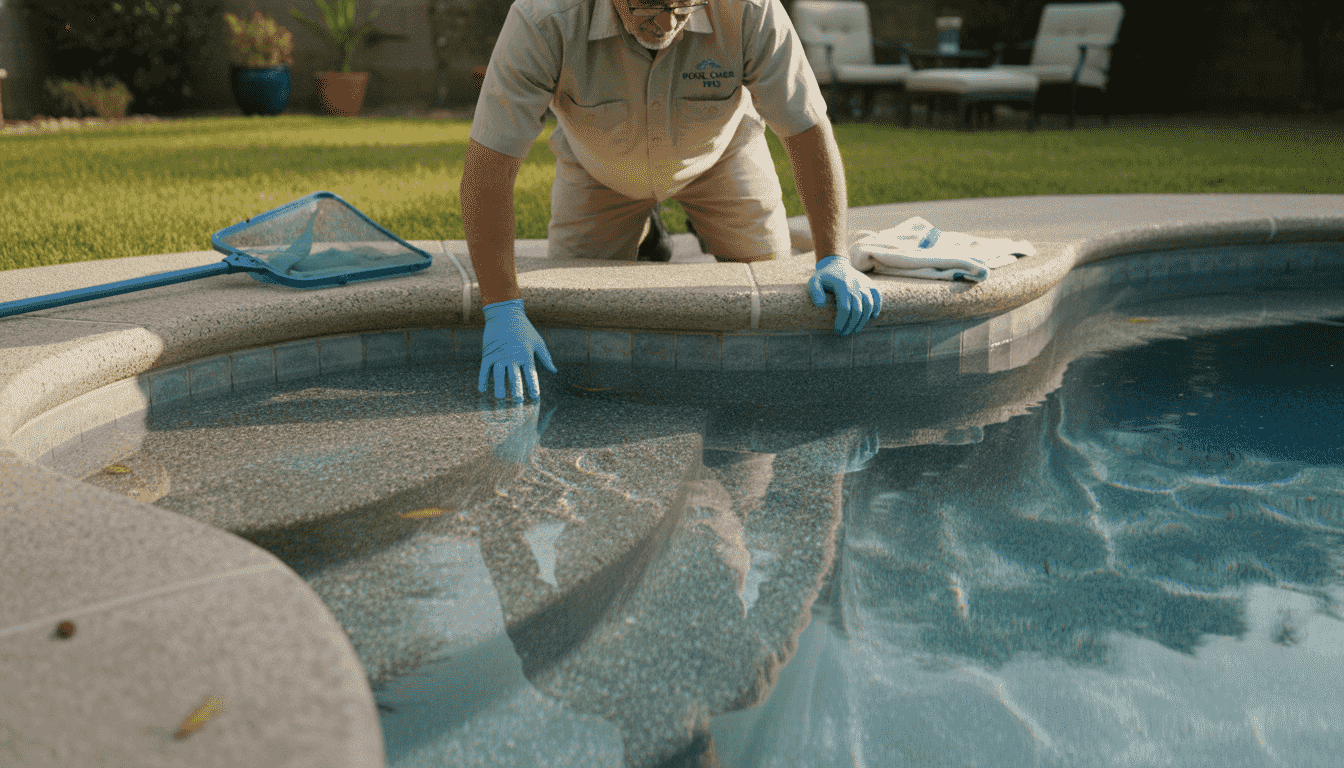
Many Florida homeowners believe all pool finishes deliver similar performance, but this misconception can cost thousands in premature repairs. Pebble Tec® finishes last 15-25 years, more than double traditional plaster’s 7-10 year lifespan. Understanding the differences between pool interior finishes helps you make smart renovation choices that balance upfront investment with long-term durability. This guide clarifies your options and shows how Florida’s unique climate demands specific finish characteristics for optimal results.
Table of Contents
- Definition And Role Of Pool Interior Finishes
- Common Types Of Pool Interior Finishes
- Durability And Maintenance Considerations In Florida
- Common Misconceptions About Pool Interior Finishes
- Comparing Popular Pool Interior Finishes
- Practical Application For Florida Homeowners
- Enhance Your Florida Pool With Expert Resurfacing Solutions
- Frequently Asked Questions
Key Takeaways
| Point | Details |
|---|---|
| Finish durability varies significantly | Pebble Tec® lasts 15-25 years while plaster typically needs replacement after 7-10 years. |
| Florida climate accelerates wear | High UV exposure and acidic rain degrade inferior finishes faster than in milder regions. |
| Textured surfaces improve safety | Rougher finishes reduce slip incidents and algae growth by 20-30% compared to smooth plaster. |
| Higher upfront costs reduce lifetime expenses | Premium finishes like Pebble Tec® lower maintenance frequency and chemical treatments over time. |
| Material choice impacts water chemistry | Different finishes interact with pool chemicals differently, affecting balance and treatment costs. |
Definition and Role of Pool Interior Finishes
Pool interior finishes form the waterproof barrier between your pool structure and the water. They prevent leaks while providing the surface texture you see and feel when swimming. These finishes directly influence multiple aspects of pool ownership.
The primary functions include structural waterproofing, surface durability against chemical erosion, swimmer comfort and safety through texture, and interaction with water chemistry balance. A finish that fails prematurely can lead to costly structural repairs beyond simple resurfacing. Florida’s intense UV radiation, high humidity, and frequent temperature fluctuations make finish selection especially critical for longevity.
Understanding how finishes perform helps you align material choices with your usage patterns and maintenance preferences. Consider these key factors:
- Waterproofing integrity determines whether your pool shell remains protected from water damage
- Surface texture affects slip resistance, especially important for families with children
- Chemical resistance influences how often you need to add treatments and rebalance pH levels
- Aesthetic appeal impacts property value and personal enjoyment of your outdoor space
Exploring popular pool finishes in Florida reveals how different materials meet these functional requirements while suiting diverse homeowner preferences.
Common Types of Pool Interior Finishes
Four main finish categories dominate the Florida pool market, each offering distinct advantages and tradeoffs. Understanding their basic characteristics helps narrow your renovation options.
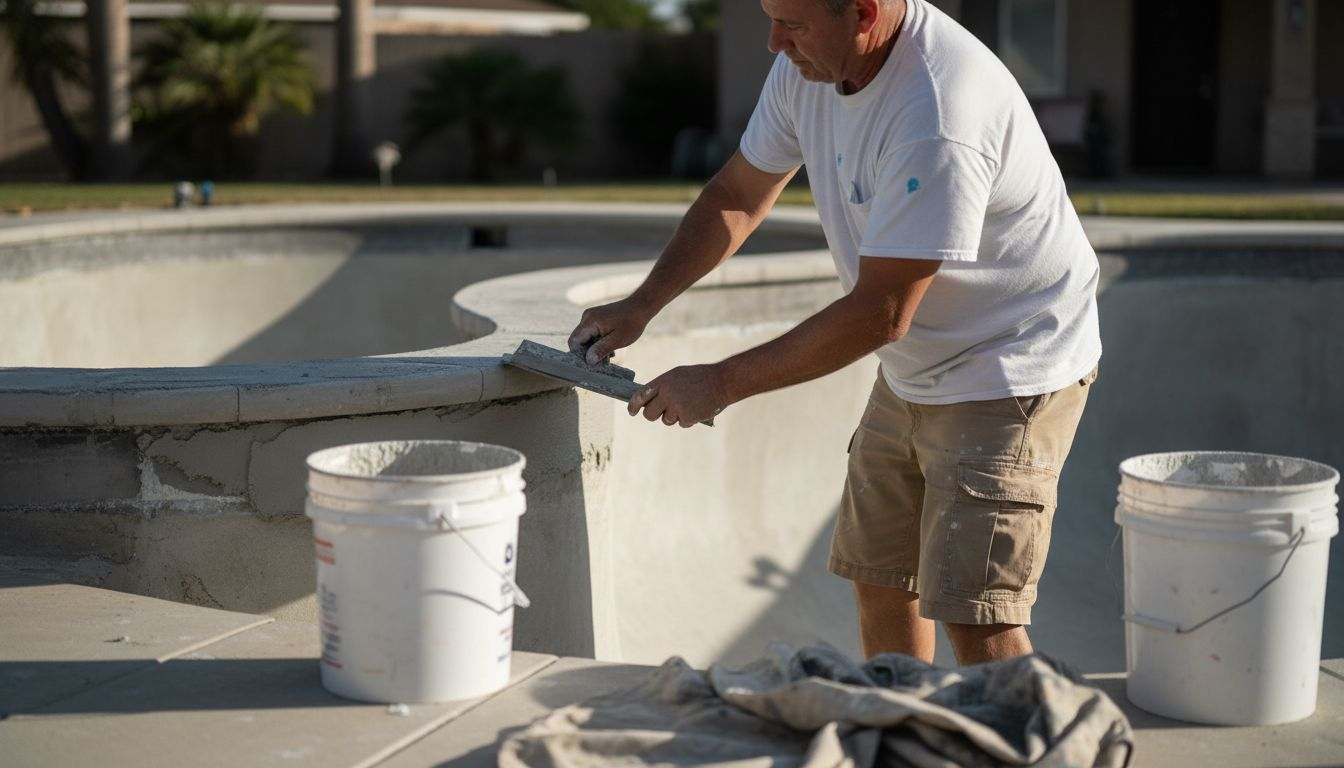
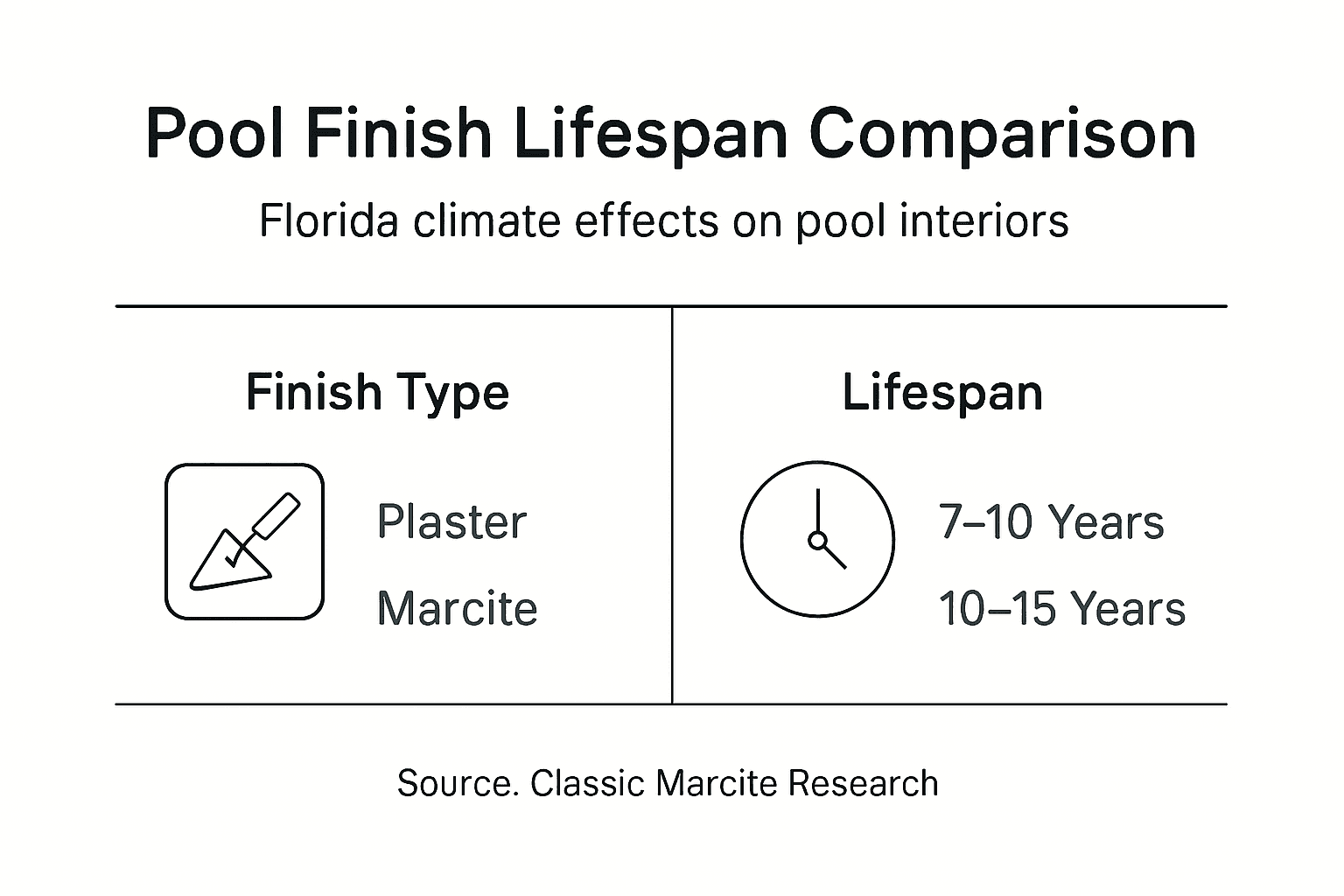
Plaster and marcite represent traditional cement-based finishes that have served Florida pools for decades. Standard white plaster offers affordability and smooth texture but typically lasts only 7-10 years before requiring replacement. Marcite pool finishes add marble dust to the plaster mixture, extending durability slightly to 7-12 years while providing a more refined appearance. Both require regular maintenance and show wear faster in Florida’s harsh environment.
Pebble Tec® pool finish materials blend natural pebbles with cement, creating textured surfaces that resist algae and chemical erosion. This premium aggregate finish delivers 15-25 year lifespans and reduces maintenance demands significantly. The non-slip texture improves safety while offering varied color options that maintain vibrancy longer than painted or dyed alternatives.
Tile finishes provide the longest durability, often exceeding 20 years, with luxury aesthetics that appeal to high-end properties. However, installation costs run approximately three times higher than pebble finishes, and the process requires specialized expertise. Tile works well as accent borders combined with other finish types.
Each material addresses different priorities:
- Plaster suits budget-conscious projects with shorter ownership timelines
- Marcite offers modest durability improvements over basic plaster at slightly higher cost
- Pebble finishes balance performance, aesthetics, and lifecycle value for most Florida homeowners
- Tile delivers maximum longevity and visual impact for luxury renovations
Learning about pool plaster basics helps you understand why many homeowners transition to more durable options during renovations.
Durability and Maintenance Considerations in Florida
Florida’s environmental conditions create unique challenges that accelerate pool finish degradation. Your finish choice should account for these local factors to maximize lifespan and minimize upkeep.
High UV radiation breaks down chemical bonds in pool finishes, causing color fading and surface weakening. Acidic rain common to Florida further accelerates erosion, particularly affecting cement-based finishes like plaster and marcite. Humidity promotes algae growth on smoother surfaces, increasing cleaning frequency and chemical demands.
Pebble finishes resist chemical erosion better, reducing maintenance frequency and algae growth by 20-30% compared to smoother alternatives. The textured surface provides fewer flat areas where algae can establish, naturally limiting organic buildup. This advantage translates to lower chemical consumption and reduced brushing requirements.
Maintenance intensity varies significantly by texture:
- Smooth plaster traps algae in microscopic pores, requiring weekly brushing and higher chlorine levels
- Textured pebble surfaces shed algae more easily, extending time between deep cleanings
- Tile remains easiest to clean but requires grout maintenance to prevent water infiltration
- All finishes benefit from proper water chemistry balance to prevent etching and staining
Regular upkeep directly affects how long your finish performs before needing replacement. Understanding Florida pool renovation costs helps budget for both initial installation and ongoing maintenance expenses. The benefits of pool replastering in Florida become clear when comparing lifecycle costs across finish types.
Pro Tip: Schedule professional inspections each spring to identify early signs of finish wear before minor issues escalate into expensive structural problems requiring complete resurfacing.
Knowing the difference between replastering vs resurfacing helps you communicate effectively with contractors about your maintenance needs. Proper care extends finish life and protects your renovation investment.
Common Misconceptions About Pool Interior Finishes
Several myths about pool finishes lead Florida homeowners to make suboptimal renovation decisions. Correcting these misunderstandings helps you evaluate options accurately.
Many assume all finishes offer similar slip resistance, but texture dramatically affects safety. Smooth plaster becomes slippery when wet, especially around steps and shallow areas where children play. Pebble finishes provide natural traction that reduces slip incidents without feeling uncomfortably rough underfoot. This safety advantage particularly matters for families and elderly pool users.
Another common belief holds that plaster finishes last as long as premium alternatives when properly maintained. Reality shows that even meticulous care cannot overcome material limitations. Plaster typically requires replacement within 10 years regardless of maintenance quality, while Pebble Tec® routinely exceeds 15 years under similar conditions.
Homeowners often focus exclusively on initial installation costs, overlooking total lifecycle expenses. Higher upfront investment in durable finishes frequently reduces overall spending through:
- Fewer resurfacing projects over 20-30 years of pool ownership
- Lower chemical consumption due to better algae resistance
- Reduced labor costs for cleaning and maintenance
- Extended intervals between major renovations
The perception that premium finishes require specialized maintenance also misleads buyers. Pebble surfaces actually demand less intensive care than smooth plaster, contradicting assumptions that higher quality means higher maintenance.
Pro Tip: Calculate total cost of ownership over 15-20 years rather than comparing only installation prices to identify the most economical finish option for your situation.
Understanding these realities helps you weigh tradeoffs objectively and select finishes aligned with your actual priorities rather than misconceptions.
Comparing Popular Pool Interior Finishes
A direct comparison reveals how different finishes stack up across the factors that matter most to Florida homeowners. This table summarizes key characteristics to guide your selection.
| Finish Type | Lifespan | Upfront Cost | Durability | Aesthetics | Maintenance | Best For |
|---|---|---|---|---|---|---|
| Plaster | 7-10 years | Lowest | Moderate | Smooth, classic | High frequency | Budget projects, short ownership |
| Marcite | 7-12 years | Low-moderate | Moderate-good | Refined smooth | Moderate-high | Traditional look, modest upgrade |
| Pebble Tec® | 15-25 years | Moderate-high | Excellent | Textured, varied colors | Low-moderate | Long-term value, families |
| Tile | 20+ years | Highest (3x pebble) | Superior | Luxury, customizable | Low surface, grout care | High-end pools, accents |
Lifespan differences create significant value gaps over time. Plaster’s 7-10 year duration means you might resurface three times during the period one Pebble Tec® installation lasts. Tile finishes provide excellent durability exceeding 20 years but cost 3x more than pebble finishes, making them cost-effective only for luxury applications or accent features.
Cost analysis must include resurfacing frequency. While plaster costs less initially, multiple replacements often exceed the total expense of installing Pebble Tec® once. Maintenance expenses compound this difference as smoother finishes require more chemicals and labor.
Aesthetic preferences vary, but Pebble Tec® advantages include natural stone appearance and color options that resist fading better than dyed plaster. The textured look suits tropical Florida landscaping while providing functional benefits. Reviewing a pool plaster overview shows how traditional finishes maintain appeal for certain architectural styles.
Maintenance demands decrease as texture increases, with pebble surfaces requiring less frequent deep cleaning than plaster. Marcite finish insights reveal how adding marble dust improves durability modestly without matching pebble performance. Comparing tile vs pebble finish costs and durability clarifies when premium tile investment makes financial sense.
This comparison framework helps you evaluate which finish aligns best with your budget, aesthetic preferences, and maintenance willingness.
Practical Application for Florida Homeowners
Translating technical knowledge into action requires a systematic approach to finish selection. Follow these steps to make confident renovation decisions.
- Assess your pool usage patterns and identify who uses the pool most frequently, particularly noting children or elderly users who need slip-resistant surfaces.
- Calculate your realistic renovation budget including both installation and projected maintenance costs over 15-20 years.
- Evaluate your willingness to perform or pay for regular maintenance, honestly assessing how much time you can dedicate to pool care.
- Consider your home’s architectural style and landscaping to select finishes that complement existing aesthetics.
- Research certified installers in your area with proven experience applying your preferred finish type properly.
- Request multiple quotes that specify material brands, warranty terms, and installation timelines before committing.
A recent Orlando case study demonstrates practical benefits. A homeowner switching from deteriorating plaster to Pebble Tec® reduced chemical treatments by approximately 20% and extended maintenance intervals from weekly to biweekly. The textured surface eliminated slip concerns in the shallow end where grandchildren played. Over 15 years, projected savings in chemicals, water, and labor exceeded the premium paid for Pebble Tec® installation.
Expert recommendations emphasize prioritizing safety features for family pools. Textured finishes like Pebble Tec® provide traction without discomfort, making them ideal for active households. Certification matters as improper application voids warranties and reduces lifespan regardless of material quality.
Pro Tip: Visit completed projects using your preferred finish to see actual appearance and feel the texture before finalizing your choice, as samples and photos often fail to capture real-world characteristics.
Implementing cost-saving renovation tips helps maximize value without compromising quality. Understanding pool resurfacing basics in Florida prepares you for the renovation process. Learning why Florida pools choose Pebble Tec® reveals advantages specific to local conditions.
This systematic approach removes guesswork and ensures your finish selection serves your needs for decades.
Enhance Your Florida Pool with Expert Resurfacing Solutions
Choosing the right finish represents just the first step toward a beautiful, durable pool. Professional installation ensures your selected material performs as intended throughout its lifespan.

Classic Marcite specializes in premium pool resurfacing throughout Central Florida, with particular expertise in Pebble Tec® applications. Our certified technicians understand how Florida’s climate affects different finishes and apply materials using techniques that maximize durability. We have transformed over 100,000 pools since 1988, making us the largest Pebble Tec® applicator in the region.
Exploring pool resurfacing basics helps you understand what quality installation entails. Our Pebble Tec® finishes deliver the longevity and aesthetic appeal Florida homeowners desire. Understanding Florida pool renovation costs enables realistic budgeting for professional services that protect your investment.
Frequently Asked Questions
What is the average lifespan of different pool interior finishes?
Plaster typically lasts 7-10 years in Florida conditions before requiring complete replacement. Marcite extends this slightly to 7-12 years by incorporating marble dust for added durability. Pebble Tec® finishes routinely achieve 15-25 year lifespans, while quality tile installations exceed 20 years. Actual longevity varies based on water chemistry maintenance, usage intensity, and installation quality.
How does Florida’s climate affect the choice of pool interior finish?
Florida’s intense UV radiation and frequent acidic rain accelerate breakdown of less resistant finishes like standard plaster. High humidity promotes algae growth on smooth surfaces, increasing maintenance demands and chemical costs. Durable finishes such as Pebble Tec® withstand these environmental stressors better, maintaining appearance and functionality longer. Choosing climate-appropriate materials reduces resurfacing frequency and total ownership costs.
Are higher-cost finishes worth the investment for Florida pool renovations?
Premium finishes typically deliver superior lifecycle value despite higher upfront costs. Pebble Tec® lasts more than twice as long as plaster while requiring less maintenance, offsetting the initial price difference. Reduced chemical consumption, fewer resurfacing projects, and lower cleaning labor create ongoing savings. Most Florida homeowners recoup premium finish costs within 10-15 years through reduced operating expenses and extended service life.