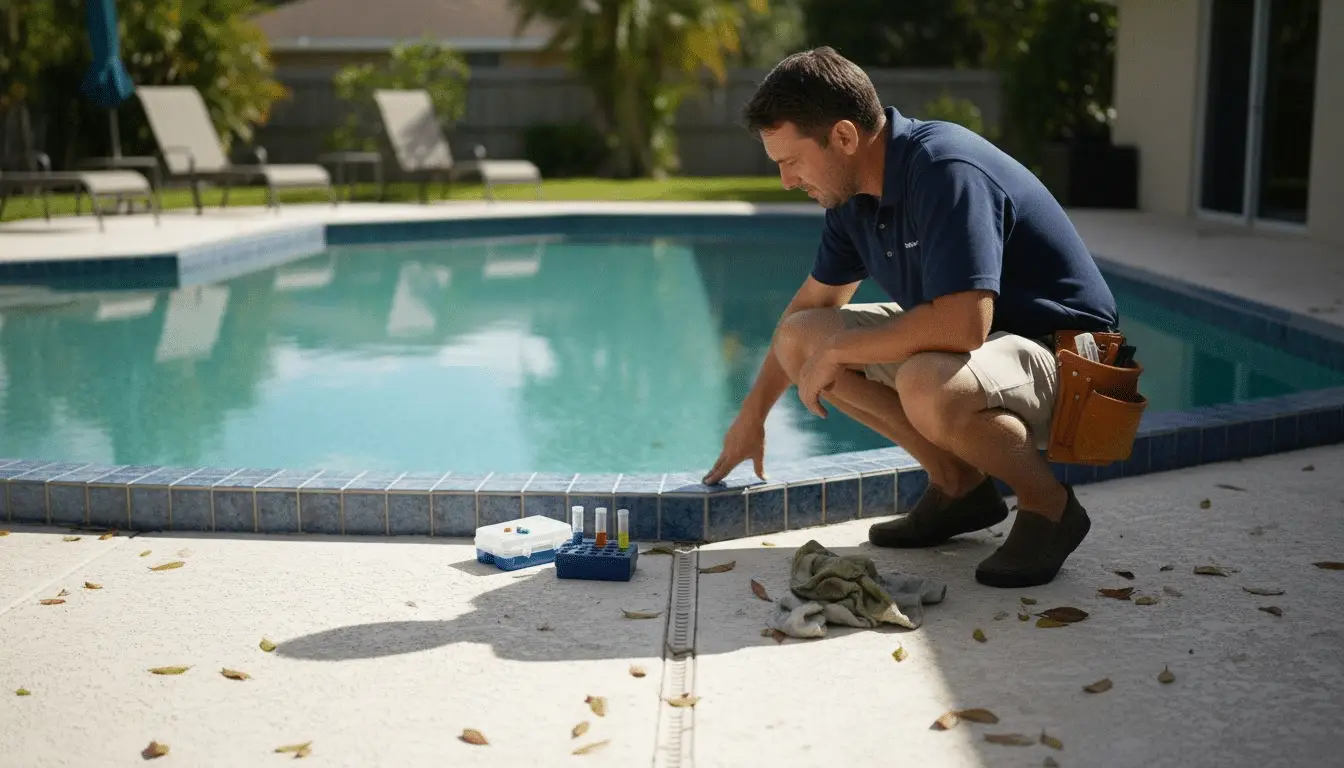
Cracked pool tiles and fading grout can make your backyard oasis feel outdated and unsafe. For homeowners in Orlando and Jacksonville, harsh sunlight, fluctuating humidity, and changing water chemistry can speed up tile damage. Pool tile repair not only restores visual appeal, but also defends your pool against leaks and structural problems. Learn what professional guidance can offer and how proper repairs keep your Florida swimming pool durable and inviting year-round.
Table of Contents
- Defining Pool Tile Repair And Its Importance
- Common Types Of Pool Tile Damage
- Repair Methods: Diy Versus Professional Help
- Cost Factors And Safety Considerations
- Florida’s Climate Impact On Pool Tile Repair
Key Takeaways
| Point | Details |
|---|---|
| Importance of Pool Tile Repair | Regular maintenance of pool tiles is crucial to prevent structural damage and ensure aesthetic appeal. Neglecting repairs can lead to significant safety hazards and costly future repairs. |
| Types of Pool Tile Damage | Common damage includes surface cracking, grout deterioration, and chemical etching, largely influenced by environmental factors. Homeowners should inspect their pools regularly to identify these issues early. |
| DIY vs. Professional Repair | While DIY methods may be cheaper, professional repairs ensure comprehensive assessments and adherence to safety standards. Complex damage typically requires expert intervention to avoid further problems. |
| Florida’s Climate Impact | Unique climate conditions in Florida necessitate specialized repair techniques. Homeowners should utilize UV-resistant and waterproof materials and conduct more frequent maintenance checks. |
Defining Pool Tile Repair and Its Importance
Pool tile repair is a critical maintenance process that involves addressing damage and deterioration in swimming pool tile surfaces. Pool tile repair requires specialized techniques to restore both the functional integrity and aesthetic appeal of your pool’s tile system. Homeowners in Florida face unique challenges with pool tiles due to intense sunlight, humidity, and potential water chemistry fluctuations.
According to the Tile Council of North America standards, pool tile repair encompasses several key aspects:
- Identifying and assessing tile damage
- Removing deteriorated or cracked tiles
- Preparing the surface for new tile installation
- Selecting appropriate replacement materials
- Ensuring proper waterproofing and sealing
Pool tile damage can manifest in multiple ways, including:
- Hairline cracks
- Complete tile separation
- Grout degradation
- Color fading
- Surface erosion
Neglecting pool tile repair can lead to significant consequences. Compliance with industry standards prevents water leakage, structural compromise, and potential safety hazards. Professional repair ensures that tiles remain securely attached and maintain the pool’s overall structural performance.
Pro tip: Schedule professional pool tile inspections annually to catch potential issues before they become expensive repairs.
Common Types of Pool Tile Damage
Pool tile damage can significantly compromise both the aesthetic and functional integrity of swimming pools. Understanding the various types of damage is crucial for homeowners to identify and address potential issues before they escalate into more extensive and expensive repairs. Pool tile damage manifests through multiple complex mechanisms, ranging from surface-level cosmetic issues to structural vulnerabilities.
The most common types of pool tile damage include:
- Surface Cracking: Thin or extensive fractures across tile surfaces
- Grout Deterioration: Breakdown and erosion of connecting materials
- Tile Loosening: Separation from underlying substrate
- Chemical Etching: Corrosion caused by unbalanced water chemistry
- Color Fading: Discoloration from UV exposure and chemical interactions
Environmental factors play a significant role in pool tile degradation. Exposure to intense sunlight, fluctuating temperatures, and harsh pool chemicals can accelerate wear and tear. Specific damage patterns often result from installation quality and maintenance practices, with improper initial installation increasing the likelihood of premature tile failure.
Mechanical impacts also contribute substantially to pool tile damage. Physical stress from pool equipment, cleaning tools, accidental impacts, and natural ground movements can cause progressive tile deterioration. Homeowners should regularly inspect their pool tiles for signs of:
- Hairline fractures
- Visible chips or missing pieces
- Uneven tile surfaces
- Discoloration or staining
- Gaps between tiles
Pro tip: Conduct quarterly visual inspections of your pool tiles and maintain consistent water chemistry to minimize potential damage risks.
Repair Methods: DIY Versus Professional Help
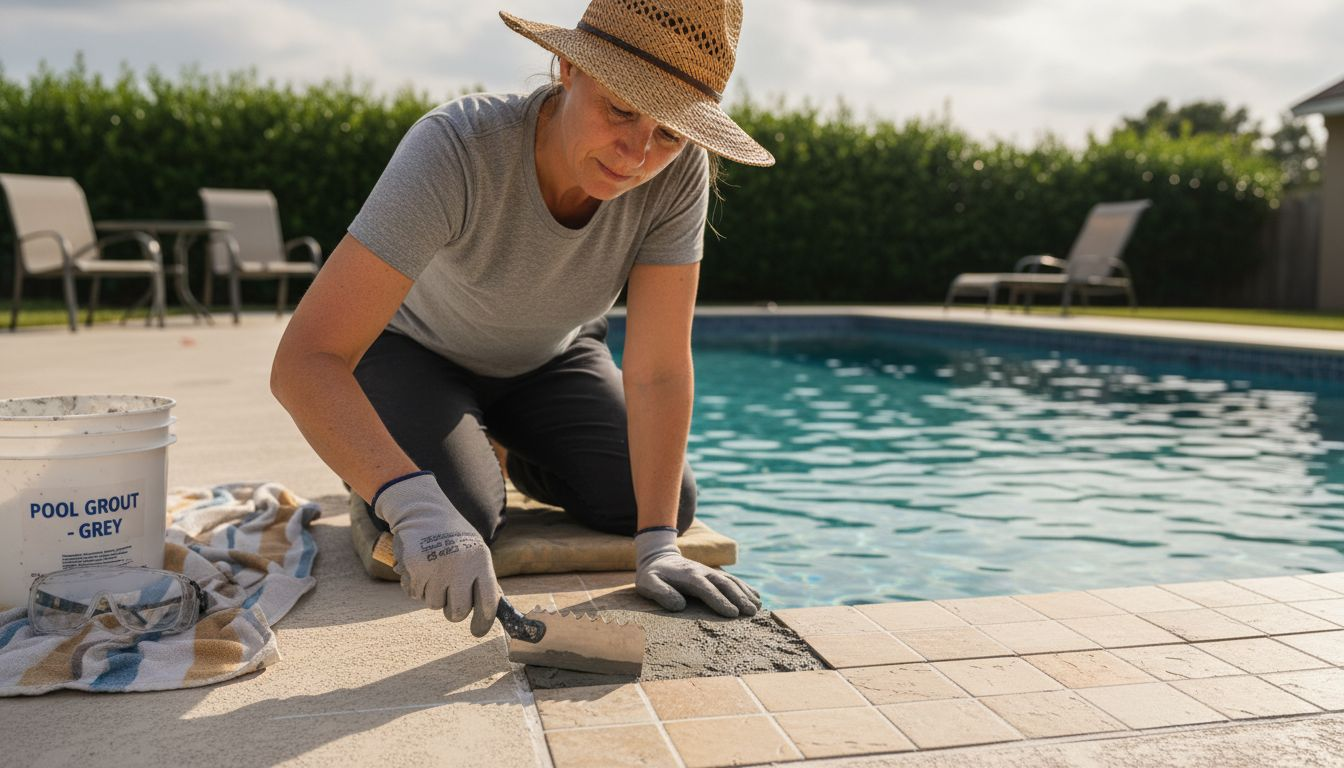
Choosing between do-it-yourself (DIY) and professional pool tile repair requires careful consideration of damage complexity, technical skills, and potential long-term consequences. DIY repair methods offer initial cost savings, but may not address underlying structural issues that professional technicians can identify and resolve.
DIY repair approaches typically involve:
- Purchasing tile repair kits from home improvement stores
- Using epoxy or waterproof sealants
- Replacing individual loose tiles
- Applying grout touch-up solutions
- Conducting basic surface-level repairs
Professional repair services, by contrast, provide comprehensive solutions that go beyond surface interventions. Certified tile installers bring specialized expertise to diagnose and address complex tile damage scenarios. These professionals utilize advanced techniques that include:
- Comprehensive substrate assessment
- Precise tile removal without additional damage
- Specialized waterproofing treatments
- Industry-standard installation methods
- Long-term durability guarantees
The primary differences between DIY and professional approaches center on depth of repair, technical precision, and potential long-term outcomes. While minor cosmetic damages might suit DIY solutions, structural or extensive tile damage demands professional intervention to prevent future costly repairs and potential safety risks.
Pro tip: When in doubt about repair complexity, request a professional assessment to prevent unintended additional damage to your pool tiles.
Here’s a comparison of DIY and professional pool tile repair approaches to help you decide which fits your situation best:
| Aspect | DIY Repair | Professional Repair |
|---|---|---|
| Upfront Cost | Lower, usually under $500 | Higher, can exceed $1,000 for major repairs |
| Technical Expertise | Basic, often requires learning from manuals | Advanced, certified experts handle complex issues |
| Long-Term Reliability | May address only surface problems | Covers both visible and hidden damage |
| Warranty Availability | Rarely offered | Includes workmanship and material guarantees |
| Safety Assurance | Limited, risk of unsafe fixes | Meets safety and installation standards |
Cost Factors and Safety Considerations
Pool tile repair involves complex financial and safety considerations that extend far beyond simple surface maintenance. Safety standards play a critical role in determining repair approaches, with potential costs varying significantly based on damage extent and required interventions.
Key cost factors influencing pool tile repair expenses include:
- Extent of tile damage
- Type and quality of replacement tiles
- Accessibility of damaged areas
- Labor rates for professional services
- Complexity of underlying substrate repairs
- Regional pricing variations
Safety considerations are paramount in pool tile repair, encompassing multiple critical dimensions:
- Preventing water leakage and potential structural damage
- Eliminating sharp edges that could cause injuries
- Maintaining smooth, even tile surfaces
- Ensuring proper drain cover installations
- Complying with local pool safety regulations
Certified tile installation professionals typically provide comprehensive assessments that balance both cost-effectiveness and safety requirements. Their expertise helps homeowners navigate potential hidden expenses and mitigate risks associated with improper repairs.
Typical repair cost ranges can vary dramatically, from minor patch jobs costing $200 to extensive tile replacements reaching $5,000 or more. The actual expense depends on surface area, tile type, and complexity of underlying issues.
Pro tip: Request detailed written estimates from multiple professionals and always prioritize safety over initial cost savings.
Florida’s Climate Impact on Pool Tile Repair
Pool tile repair demands special attention in Florida, where extreme environmental conditions create unique challenges for swimming pool maintenance. Climate factors dramatically accelerate pool tile deterioration, requiring homeowners to adopt specialized repair strategies tailored to the state’s unique environmental stressors.
Florida’s climate specifically impacts pool tiles through several critical mechanisms:
- Intense ultraviolet radiation
- High humidity levels
- Frequent temperature fluctuations
- Heavy rainfall and potential flooding
- Salt air exposure in coastal regions
- Periodic freeze-thaw cycles
The most significant climate-related challenges for pool tiles include:
- Rapid material expansion and contraction
- Increased moisture absorption
- Accelerated chemical breakdown
- Enhanced corrosion potential
- Greater risk of structural weakening
Florida’s health department mandates specific maintenance protocols to address these environmental challenges. Pool tile repairs in this region must incorporate resilient materials and advanced installation techniques that can withstand the state’s harsh environmental conditions.
Homeowners should prioritize repair strategies that include:
- Using UV-resistant tile materials
- Applying specialized waterproofing treatments
- Selecting tiles with high thermal stability
- Implementing proper drainage solutions
- Conducting more frequent professional inspections
Pro tip: Invest in annual professional pool tile assessments to proactively identify and address climate-related damage before extensive repairs become necessary.
This table summarizes how Florida’s climate challenges affect pool tile maintenance and suitable repair strategies:
| Climate Factor | Main Risk to Pool Tile | Recommended Repair Solution |
|---|---|---|
| Intense UV exposure | Fading and brittleness | Use UV-resistant materials |
| High humidity | Mold and grout erosion | Apply advanced waterproofing |
| Salt air (coastal) | Accelerated corrosion | Select anti-corrosive tile types |
| Freeze-thaw cycles | Cracks and loose tiles | Install tiles with thermal stability |
Restore and Protect Your Pool Tiles with Classic Marcite
Maintaining durable and visually stunning pool tiles is essential for any Florida homeowner. The article highlights key challenges such as tile cracking, grout deterioration, and the impact of Florida’s harsh climate—all of which compromise safety and cost you more if left unaddressed. Classic Marcite understands these pain points and offers expert pool tile repair solutions combined with advanced resurfacing techniques that enhance both durability and aesthetic appeal. Using premium materials like Pebble Tec®, the team ensures your pool withstands UV exposure, humidity, and chemical wear while maintaining a flawless finish.

Don’t wait for minor tile damage to escalate into expensive repairs or safety risks. Take action now by exploring our comprehensive services at Classic Marcite. Get your free estimate today and benefit from decades of trusted craftsmanship in Orlando and Jacksonville. Visit pool resurfacing services to learn how we can transform your pool into a durable, weather-resistant oasis with professional tile repair and finishing solutions tailored to Florida’s unique environment.
Frequently Asked Questions
What is pool tile repair?
Pool tile repair is a maintenance process that addresses damage and deterioration in swimming pool tile surfaces. It ensures the functional integrity and aesthetic appeal of the pool.
Why is it important to repair pool tiles?
Neglecting pool tile repair can lead to significant issues, including water leakage, structural compromise, and safety hazards. Professional repairs help maintain the pool’s overall structural performance.
What are the common types of pool tile damage?
Common types of pool tile damage include surface cracking, grout deterioration, tile loosening, chemical etching, and color fading. These issues can arise due to environmental factors or mechanical impacts.
Should I attempt DIY pool tile repair or hire a professional?
While DIY repair may save costs for minor cosmetic issues, professional repair is recommended for complex damage. Professionals have the expertise to diagnose underlying problems and use advanced techniques for long-lasting repairs.
