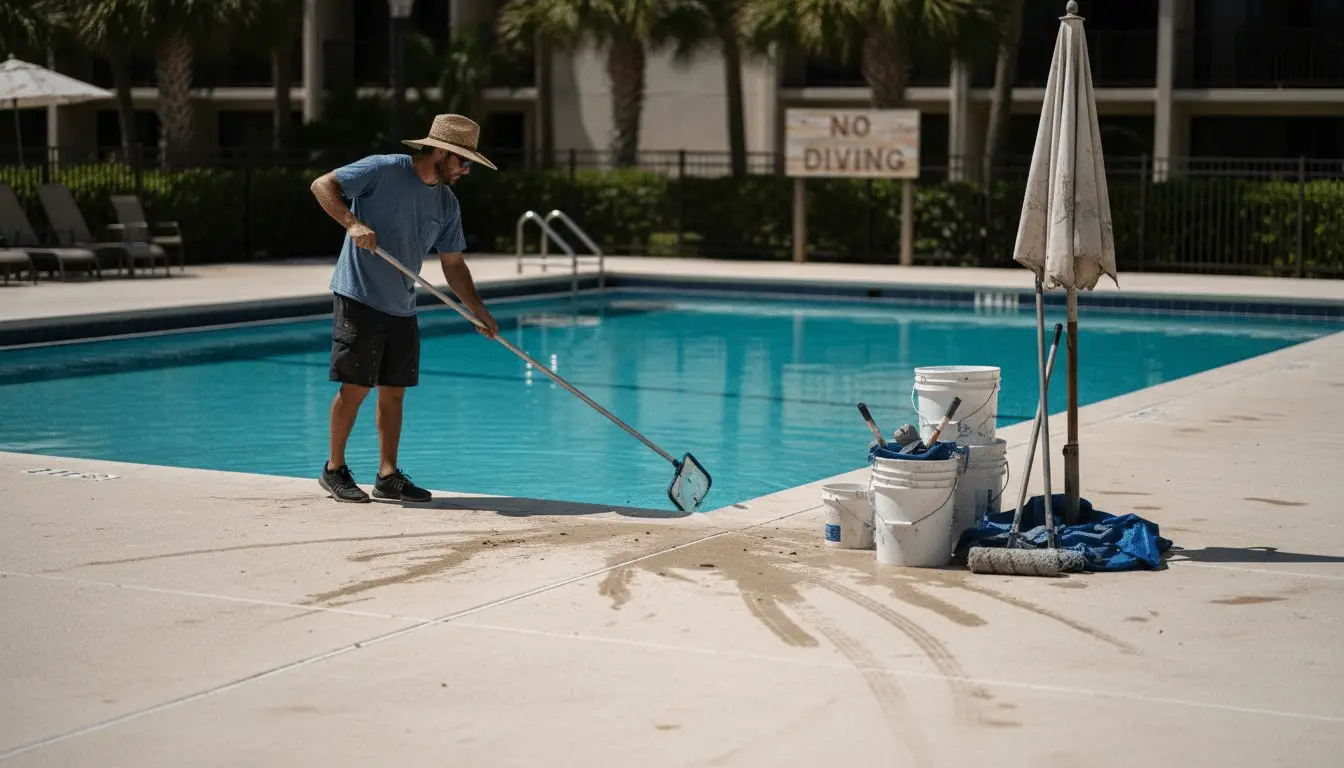
Commercial pool resurfacing: 20-year durability for Florida
Many commercial property managers mistakenly believe all pool surfaces offer similar durability, yet plaster typically lasts just 5 to 7 years while pebble finishes offer up to 20 years lifespan with superior durability for commercial pools. In Florida’s harsh climate, selecting the right resurfacing material directly impacts your pool’s longevity, safety, and guest satisfaction. This guide walks you through material options, performance factors, and best practices to make informed decisions that protect your investment.
Table of Contents
- Introduction To Commercial Pool Resurfacing Materials
- Overview Of Common Commercial Pool Resurfacing Materials
- Performance Of Resurfacing Materials In Florida Climate
- Safety Considerations: Slip Resistance And Compliance
- Comparing Resurfacing Materials: Durability, Cost, And Maintenance
- Common Misconceptions About Pool Resurfacing Materials
- Commercial Pool Resurfacing Process: Best Practices
- Economic Benefits And ROI Of Professional Resurfacing
- Explore Expert Commercial Pool Resurfacing Solutions In Florida
- Frequently Asked Questions
Key takeaways
| Point | Details |
|---|---|
| Pebble finishes deliver exceptional longevity | These surfaces provide up to 20 years of service in commercial pools with proper maintenance. |
| Florida’s climate demands resilient materials | UV exposure, humidity, and chemical treatments stress pool surfaces requiring strong resistance. |
| Slip resistance ensures safety compliance | Textured surfaces reduce injuries and meet Florida’s public pool safety regulations. |
| Quality materials reduce lifetime costs | Higher upfront investment pays off through fewer repairs and extended service life. |
| Professional application maximizes performance | Expert installation ensures proper material adhesion, curing, and regulatory compliance. |
Introduction to commercial pool resurfacing materials
Commercial pool resurfacing replaces worn or damaged pool surface layers with new, durable materials designed to withstand heavy use and environmental stress. Unlike residential pools with lighter traffic, commercial facilities face constant exposure to chemicals, UV radiation, and hundreds of swimmers weekly. Florida’s subtropical climate intensifies these challenges through year-round sun exposure, high humidity, and salt-laden air that accelerate surface degradation.
Material selection determines your pool’s performance across multiple dimensions. Understanding commercial pool resurfacing benefits helps you prioritize durability, safety compliance, and aesthetic appeal. The right choice extends surface life, reduces maintenance frequency, and enhances guest experience. Poor material decisions lead to premature failure, costly emergency repairs, and potential safety violations that disrupt operations.
Investing in appropriate resurfacing materials delivers substantial benefits:
- Extended lifespan reducing replacement frequency and long-term costs
- Improved safety through slip-resistant textures meeting regulatory standards
- Enhanced visual appeal attracting guests and maintaining property value
- Better chemical resistance minimizing surface degradation from pool treatments
- Compliance with Florida health and safety codes for public swimming facilities
Choosing durable pool resurfacing options suited to your facility’s usage patterns and budget ensures maximum return on investment.
Overview of common commercial pool resurfacing materials
Commercial pool owners can choose from several proven resurfacing materials, each offering distinct advantages for specific applications. Understanding these options helps you match material properties to your facility’s needs and budget constraints.
Pebble finishes represent the premium choice for commercial pools. Pebble finishes are cement blended with natural pebbles, offering superior durability and chemical resistance. These surfaces create natural texture that enhances slip resistance while delivering exceptional longevity. Expect 15 to 20 years of service with proper maintenance. The pebble aggregate resists staining, algae growth, and chemical etching better than traditional plaster. Color options range from natural earth tones to vibrant blues and greens.
Concrete resurfacing provides strength and customization flexibility. Concrete resurfacing offers strength and customization with proper sealing for commercial pools. This option works well for pools requiring structural repairs alongside surface renewal. Properly sealed concrete resists chemical penetration and can be colored or textured to match facility aesthetics. Typical lifespan ranges from 10 to 15 years depending on sealing quality and maintenance practices.
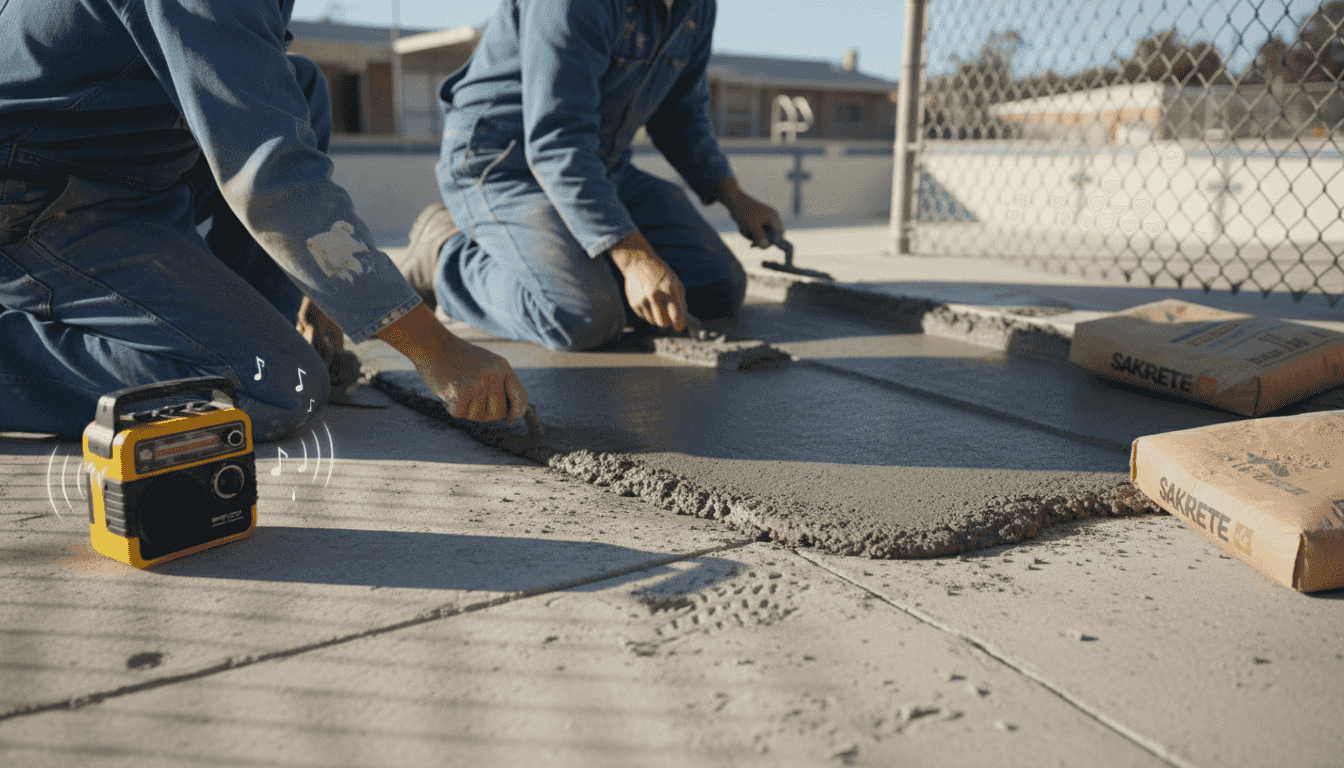
Quartz finishes blend crushed quartz crystals with cement for enhanced durability and visual appeal. These surfaces offer vibrant, consistent colors that resist fading under Florida’s intense UV exposure. Quartz provides excellent chemical resistance and smooth texture while maintaining slip-resistant properties. Expect 12 to 18 years of service, though higher material costs require larger upfront investment.
Traditional plaster remains the most economical option but offers shorter lifespan. White or colored plaster provides smooth finish and clean appearance at lowest initial cost. However, Florida’s climate stresses plaster significantly, typically requiring replacement every 5 to 7 years in commercial applications. Frequent resurfacing adds up over time, making plaster less cost-effective than premium alternatives.
Explore the best pool resurfacing materials to compare options specific to your commercial facility.
Performance of resurfacing materials in Florida climate
Florida’s unique environment tests pool surfaces in ways that northern climates cannot match. Understanding these stressors helps you select materials engineered to perform under constant assault from sun, chemicals, and moisture.
Chemical resistance stands as a critical performance factor. Commercial pools require regular chlorine, bromine, or salt treatments to maintain sanitation standards. These chemicals gradually etch and degrade pool surfaces, particularly those without robust chemical resistance. Pebble and quartz finishes excel here, their dense composition resisting chemical penetration better than traditional plaster. Salt water pools present additional challenges, as salt accelerates surface erosion on materials lacking proper protection.
UV radiation bombards Florida pools year-round with intensity that quickly fades inferior materials. The state’s subtropical latitude means pools receive strong UV exposure even during winter months. Materials with integrated color throughout their depth maintain appearance longer than surface-colored options. Quartz and pebble finishes resist UV degradation effectively, while lower-quality plaster can discolor within 2 to 3 years.
Humidity and temperature fluctuations create expansion and contraction cycles that stress surface bonds. Florida’s daily temperature swings and seasonal variations cause materials to expand when hot and contract when cool. Poor-quality materials or improper installation create cracks where water infiltrates, accelerating deterioration. Premium materials with flexible bonding agents accommodate these movements without cracking.
Over 80% of commercial pool surfaces in Florida show damage within five years when using lower-quality materials. This statistic underscores the importance of investing in materials proven to withstand Florida’s climate challenges. Understand Florida climate effects on pool surfaces and review pool resurfacing updates Florida for current material performance data.
Key climate factors affecting material selection:
- Year-round UV exposure requiring fade-resistant materials with integral color
- High humidity promoting mold and algae growth on porous surfaces
- Frequent rain introducing pH fluctuations that stress surface chemistry
- Salt air in coastal areas accelerating corrosion and surface degradation
Safety considerations: slip resistance and compliance
Safety requirements drive material selection for commercial pools as much as durability concerns. Florida regulations mandate slip-resistant surfaces to protect swimmers and limit facility liability. Material texture directly impacts injury prevention, making surface selection a critical safety decision.
Slip-resistant commercial pool surfaces significantly reduce guest injuries and comply with Florida public pool safety regulations. Textured finishes create friction that prevents slips on wet surfaces, particularly around pool entries, steps, and shallow areas where children play. Smooth plaster surfaces become dangerously slick when wet, increasing fall risk and potential injury claims.
Florida’s public pool regulations require surfaces meeting specific slip-resistance coefficients measured by standardized testing. Commercial facilities must maintain compliant surfaces to pass health inspections and maintain insurance coverage. Pebble and textured quartz finishes inherently meet these standards through their naturally rough surfaces. Concrete finishes require proper texturing during application to achieve required slip resistance.
Surface texture affects guest confidence and swimming enjoyment. Overly rough surfaces can scrape skin, particularly for children who spend extended time in shallow areas. The ideal balance provides adequate slip resistance without excessive abrasiveness. Professional contractors understand this balance and recommend appropriate materials based on your facility’s primary user demographics.
“Proper surface texture transforms commercial pools from liability concerns into safe, enjoyable amenities that enhance property value and guest satisfaction.”
Understand pool safety compliance Florida requirements before selecting materials. Key safety factors include:
- Coefficient of friction ratings meeting Florida health code standards
- Texture consistency across entire pool surface including steps and benches
- Color contrast helping swimmers identify depth changes and pool edges
- Smooth transitions between deck and pool surfaces preventing tripping hazards
Comparing resurfacing materials: durability, cost, and maintenance
Making informed material decisions requires understanding how different options stack up across key performance metrics. This comparison helps you balance immediate budget constraints with long-term value.
| Material | Typical Lifespan | Initial Cost | Slip Resistance | Maintenance Level | Chemical Resistance |
|---|---|---|---|---|---|
| Plaster | 5-7 years | Lowest | Low | High | Moderate |
| Pebble | 15-20 years | High | Excellent | Low | Excellent |
| Quartz | 12-18 years | Highest | Very Good | Low | Excellent |
| Concrete | 10-15 years | Moderate | Good (if textured) | Moderate | Good |
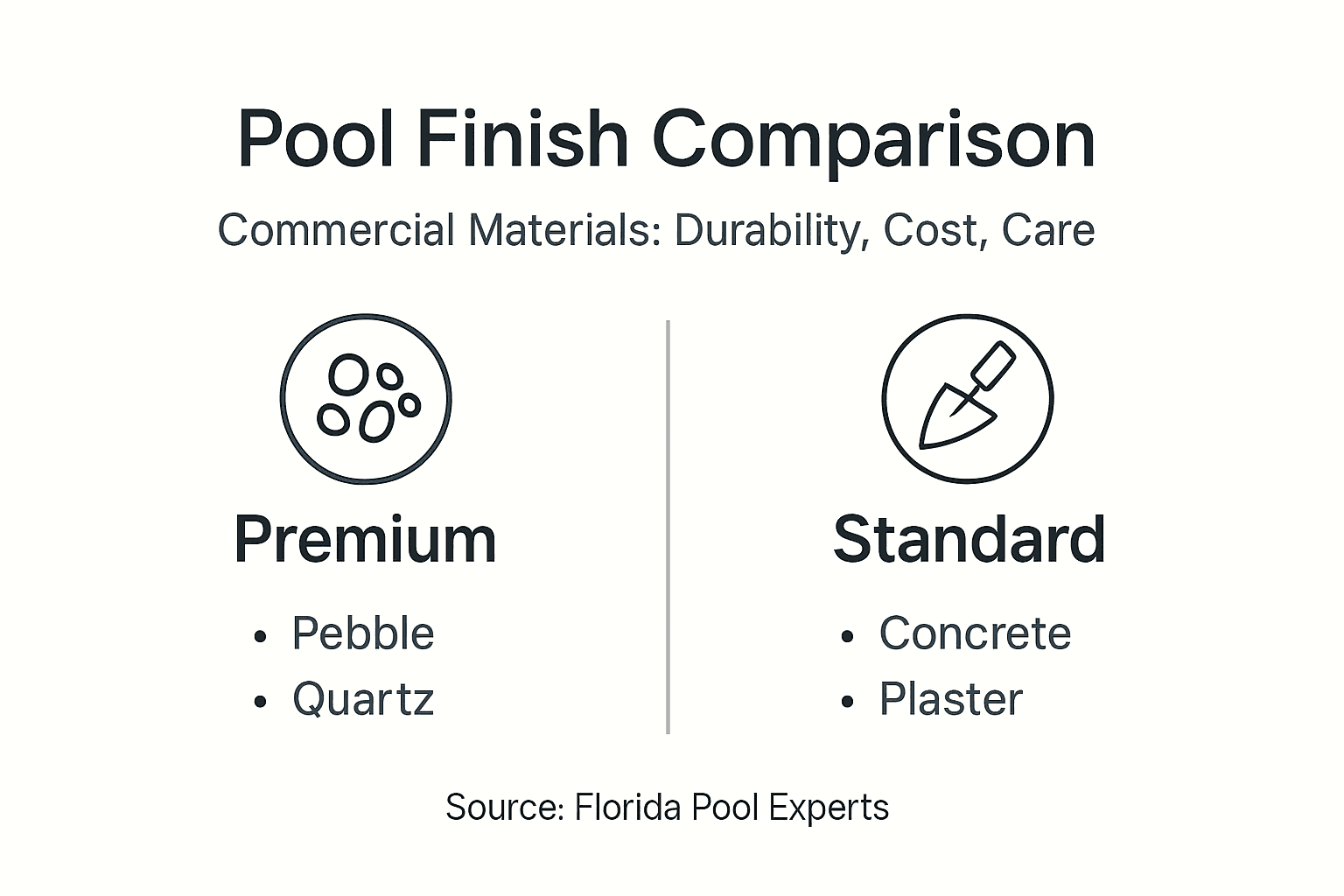
Higher upfront investment in premium materials delivers substantial long-term savings. A pebble finish costs 50 to 70 percent more than plaster initially but lasts three times longer. Over 20 years, you’ll resurface a plastered pool three to four times while the pebble finish requires no replacement. Add reduced maintenance costs and the total savings become compelling.
Quartz finishes offer strong chemical resistance and vibrant appearance but come with higher upfront costs. This premium option suits facilities prioritizing aesthetics alongside durability. The crystalline surface sparkles under water, creating visual appeal that attracts guests and justifies premium positioning.
Maintenance requirements vary significantly by material:
- Plaster demands frequent acid washing to remove stains and etching
- Pebble surfaces need only routine cleaning and balanced water chemistry
- Quartz finishes require minimal maintenance beyond standard pool care
- Concrete needs periodic resealing every 3 to 5 years for optimal protection
Pro Tip: Prioritize materials balancing durability with slip resistance to maximize both safety and value. A slightly rougher surface texture reduces injury risk while extending material life through superior resistance to wear patterns in high-traffic areas.
Review this pool resurfacing materials comparison for detailed specifications and performance data.
Common misconceptions about pool resurfacing materials
Several persistent myths mislead commercial property managers into poor material choices that cost more over time. Correcting these misconceptions ensures you make decisions based on facts rather than outdated assumptions.
- All resurfacing materials offer similar durability: Plaster finishes typically last 5-7 years, less durable than pebble finishes which can last up to 20 years commercial pools. This dramatic difference means plaster requires three times more frequent replacement, multiplying long-term costs despite lower initial price.
- Lower initial cost always means better value: Cheap materials demand frequent repairs, acid washing, and premature replacement. Calculate total cost of ownership over 15 to 20 years rather than focusing solely on installation price. Premium materials typically cost less per year of service than budget options.
- DIY or amateur installation produces acceptable results: Commercial pool resurfacing requires specialized equipment, material knowledge, and application techniques. Poor installation voids material warranties and leads to premature failure. Inexperienced contractors may mix materials incorrectly, apply uneven thickness, or skip critical surface preparation steps.
- Surface appearance indicates material quality: Smooth, attractive plaster can hide poor chemical resistance and structural weakness. Conversely, textured pebble surfaces may look less refined while delivering superior performance. Prioritize performance specifications over initial aesthetics.
- All contractors deliver equivalent results: Installer expertise dramatically impacts material performance and longevity. Experienced professionals understand proper surface preparation, material mixing ratios, application techniques, and curing requirements that determine final quality.
Pro Tip: Always verify installer credentials and request professional resurfacing for commercial pools. Look for contractors with specific commercial experience, manufacturer certifications, and verifiable references from similar facilities. Understand pool resurfacing misconceptions to avoid costly mistakes.
Commercial pool resurfacing process: best practices
Successful resurfacing projects follow structured processes ensuring quality results that meet durability and safety standards. Understanding these steps helps you evaluate contractor proposals and monitor project execution.
- Initial assessment: Professional inspection identifies surface damage, structural issues, and preparation requirements. Contractors measure existing conditions, test water chemistry history, and document areas needing repair before resurfacing.
- Material research and selection: Review options based on budget, expected lifespan, maintenance requirements, and aesthetic preferences. Request samples and performance data from multiple material manufacturers.
- Contractor selection: Interview multiple qualified contractors with commercial experience. Verify licensing, insurance, manufacturer certifications, and recent project references. Compare detailed proposals including material specifications, timeline, and warranty terms.
- Surface preparation: Remove existing surface material completely, exposing underlying structure. Repair cracks, chips, and structural damage. Clean surfaces thoroughly removing all debris, oils, and contaminants that prevent proper bonding.
- Material application: Mix materials according to manufacturer specifications. Apply new surface in consistent thickness using proper techniques for chosen material. Maintain optimal temperature and humidity during application.
- Curing and finishing: Allow adequate curing time before filling pool. Follow specific curing protocols for chosen material, typically 5 to 14 days. Monitor environmental conditions affecting cure quality.
- Final inspection and startup: Inspect completed surface for uniformity, proper texture, and specification compliance. Test slip resistance. Fill pool following recommended procedures and balance chemistry before opening to swimmers.
Critical quality factors at each stage:
- Thorough crack repair prevents new surface from developing matching cracks
- Complete removal of old material ensures proper bonding of new surface
- Correct material mixing ratios determine final strength and durability
- Uniform application thickness prevents weak spots and premature failure
- Proper curing conditions allow material to achieve full strength and chemical resistance
Learn about pool resurfacing prep requirements and explore the commercial pool resurfacing workflow for detailed process insights.
Economic benefits and ROI of professional resurfacing
Viewing resurfacing as a strategic investment rather than unavoidable expense changes how you evaluate material options and contractor selection. Quality resurfacing delivers measurable returns through reduced costs, enhanced property value, and improved guest satisfaction.
Professional pool resurfacing can save commercial properties up to 30% in maintenance and repairs over a decade. This substantial savings accumulates through multiple channels. Premium materials resist staining and etching, eliminating frequent acid washing costs. Superior durability reduces emergency repair calls and unplanned downtime. Longer material lifespan spreads installation costs across more years of service.
Cost savings from professional resurfacing:
- Fewer resurfacing cycles over 20-year planning horizon
- Reduced routine maintenance requirements and chemical costs
- Lower emergency repair frequency from superior material durability
- Minimized operational disruptions and revenue loss from pool closures
- Decreased liability exposure through enhanced safety compliance
Property value increases when pools showcase modern, well-maintained surfaces. Hotels, resorts, and apartment complexes gain competitive advantage through attractive pool amenities. Updated surfaces signal property management’s commitment to quality, attracting tenants and guests willing to pay premium rates. Appraisers recognize properly maintained pools as valuable assets rather than deferred maintenance liabilities.
Guest experience improvements translate directly to business outcomes. Attractive, safe pools encourage longer stays, positive reviews, and repeat bookings. Families prioritize properties with well-maintained recreational facilities when making lodging decisions. Residents renew leases at properties investing in amenity quality.
Explore professional pool resurfacing benefits to understand complete value proposition. Calculate ROI by comparing:
- Total cost of three plaster resurfacings versus one premium material installation over 20 years
- Maintenance cost differences between material types annually
- Revenue impact of improved guest satisfaction scores and repeat business
- Insurance premium reductions from enhanced safety compliance
Explore expert commercial pool resurfacing solutions in Florida
Your commercial pool deserves materials and expertise proven to perform in Florida’s demanding climate. Classic Marcite specializes in commercial pool resurfacing services designed specifically for the state’s unique environmental challenges. With over 100,000 pools resurfaced since 1988, our team brings unmatched experience to every project.

We offer comprehensive commercial pool finish options including premium pebble, quartz, and concrete surfaces tailored to your facility’s requirements and budget. As Central Florida’s largest Pebble Tec applicator, we deliver professional installation ensuring compliance, safety, and lasting performance. Our commercial specialists understand hospitality, multifamily, and municipal facility needs.
Stay current with the latest pool resurfacing updates in Florida through our resource center. Contact us today for a comprehensive facility assessment and customized resurfacing proposal that maximizes your investment.
Frequently asked questions
What is the longest-lasting commercial pool resurfacing material available?
Pebble finishes deliver the longest service life, typically 15 to 20 years in commercial applications with proper maintenance. The cement and natural pebble blend resists chemical etching, UV fading, and surface wear better than traditional plaster or basic aggregate finishes.
How much should I budget annually for commercial pool resurfacing maintenance?
Annual maintenance costs vary by material, ranging from $500 to $2,000 for premium surfaces like pebble or quartz requiring only routine cleaning and chemistry balancing. Plaster surfaces may cost $1,500 to $4,000 annually including frequent acid washing and stain removal. Factor resurfacing replacement costs by dividing total installation price by expected lifespan.
Can I resurface a commercial pool myself or should I hire professionals?
Commercial pools require professional resurfacing due to complex regulations, specialized equipment needs, and liability concerns. Amateur work voids material warranties, fails safety inspections, and typically requires expensive correction. Hire selecting a pool resurfacing contractor with verified commercial experience, manufacturer certifications, and proper insurance.
Which pool resurfacing materials comply with Florida’s safety regulations?
All properly textured materials can meet Florida slip-resistance standards when correctly installed. Pebble and textured quartz finishes inherently provide excellent slip resistance. Concrete and plaster require intentional texturing during application. Verify contractor familiarity with Florida public pool codes and request slip-resistance testing documentation.
How soon can swimmers use the pool after resurfacing?
Curing time varies by material, typically requiring 5 to 14 days before filling and an additional 3 to 7 days for water chemistry balancing. Pebble finishes generally need 10 to 14 days total, while quartz may require slightly less. Follow pool maintenance after resurfacing protocols precisely to ensure proper surface curing and longevity.
