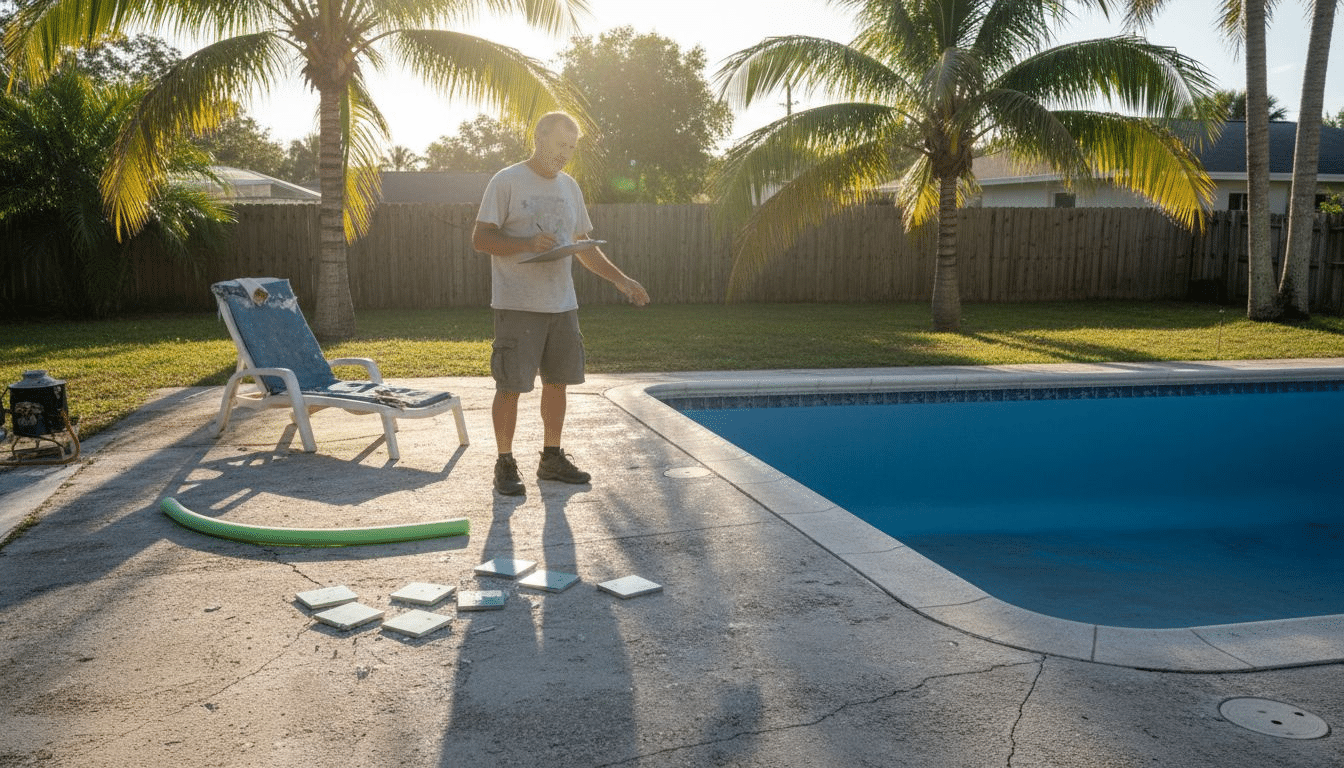
Most American homeowners updating pools in Florida are surprised to learn that cutting-edge surfaces now last up to 25 years while offering sleek design options and impressive durability. Choosing the right pool resurfacing method matters more than ever with Orlando and Jacksonville climates challenging older finishes. This guide reveals new materials and techniques, helping you pick a solution that performs year-round and transforms your backyard into a standout retreat.
Table of Contents
- Pool Resurfacing 2025: What’s New
- Modern Materials And Their Benefits
- Emerging Eco-Friendly And Tech Trends
- Comparing Cost, Durability, And Value
- Mistakes To Avoid When Resurfacing
- Choosing The Right Contractor
Key Takeaways
| Point | Details |
|---|---|
| Advancements in Resurfacing Materials | Homeowners can choose from innovative materials like hybrid polymer composites and nano-enhanced finishes for enhanced performance and aesthetic options. |
| Importance of Professional Assessment | Schedule consultations during optimal seasons to leverage the best curing conditions and potentially lower costs. |
| Cost vs. Longevity | Consider total lifecycle costs, as investing in higher-quality materials can reduce long-term maintenance expenses and enhance property value. |
| Choosing the Right Contractor | Ensure contractors are licensed and have experience with Florida’s unique environmental challenges to protect your investment. |
Pool Resurfacing 2025: What’s New
Pool resurfacing technology continues to evolve rapidly, presenting Florida homeowners with unprecedented options for transforming their backyard swimming environments. In 2025, advanced materials and innovative techniques are reshaping how pool owners approach surface restoration and aesthetic upgrades.
Several groundbreaking trends are emerging in pool resurfacing, driven by demands for durability, sustainability, and visual appeal. Pool owners can now explore advanced resurfacing materials that offer superior performance compared to traditional approaches. Cutting-edge materials like hybrid polymer composites and nano-enhanced finishes are revolutionizing pool surface technology, providing increased resistance to chemical degradation, UV exposure, and temperature fluctuations typical in the Florida climate.
The newest pool resurfacing approaches prioritize both functional performance and aesthetic flexibility. Homeowners can now select from an expanded range of textures, colors, and finish types that seamlessly integrate with their outdoor design aesthetic. Emerging technologies like microlayer application techniques and temperature-adaptive surface treatments allow for more precise, longer-lasting pool renovations that maintain structural integrity while delivering stunning visual results.
Pro tip: Schedule an initial consultation with a professional pool resurfacing specialist during the early spring months to take advantage of optimal curing conditions and potentially lower seasonal pricing.
Modern Materials and Their Benefits
Pool resurfacing materials have undergone significant transformations, offering Florida homeowners more sophisticated options than ever before. Modern pool surface technologies provide comprehensive solutions that address the unique environmental challenges of the Sunshine State, from intense UV exposure to frequent chemical treatments.
Three primary material categories dominate the 2025 pool resurfacing landscape: white plaster, quartz aggregate, and pebble finishes. Each material brings distinct advantages:
- White Plaster: Traditional and cost-effective, offering a classic smooth finish
- Quartz Aggregate: Enhanced durability with increased resistance to staining and wear
- Pebble Finishes: Premium option providing exceptional longevity and textural complexity
Advanced material engineering now allows for unprecedented customization. Homeowners can select surfaces with tailored properties like enhanced chemical resistance, reduced heat absorption, and improved slip prevention. Nano-enhanced coatings and hybrid polymer composites represent the cutting edge of pool surface technology, delivering performance that significantly exceeds traditional material capabilities.
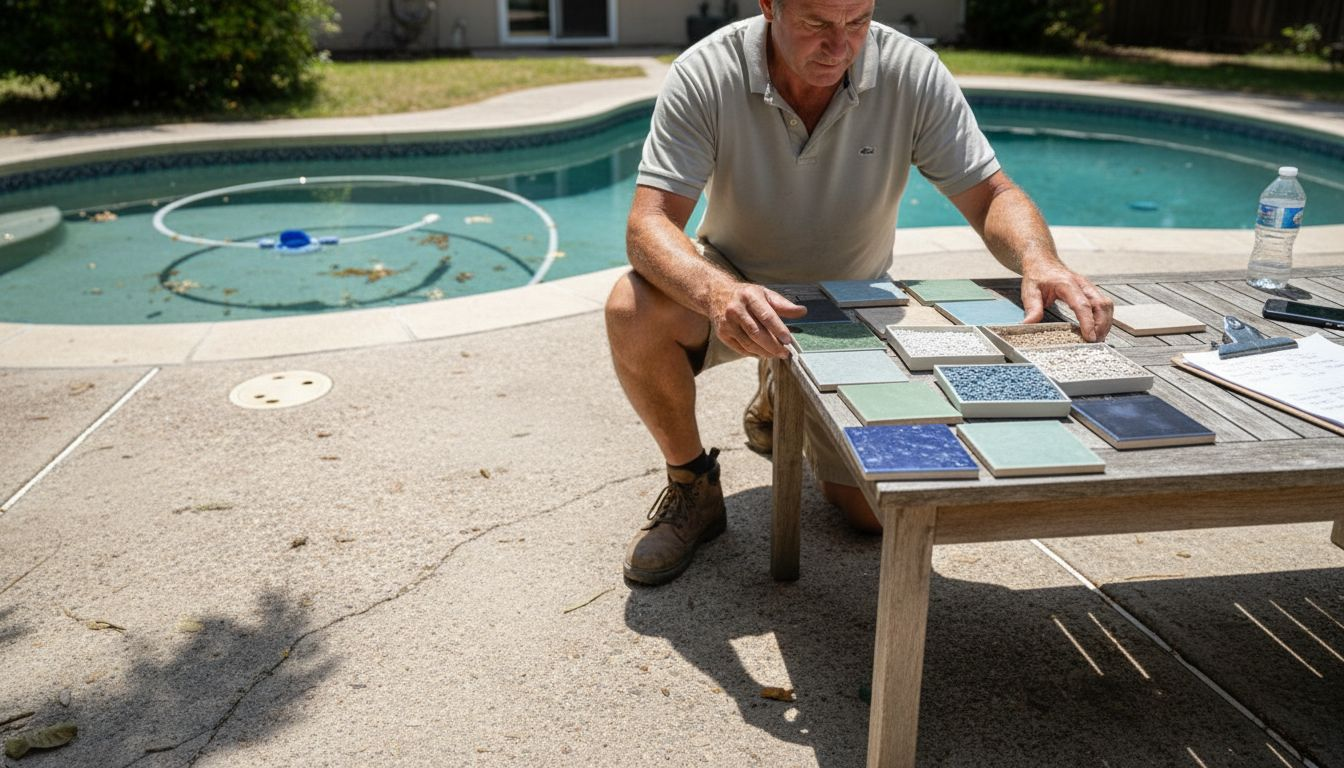
Here’s a comparison of modern pool resurfacing technologies and their unique benefits for Florida homeowners:
| Technology Type | Performance Benefit | Environmental Feature |
|---|---|---|
| Hybrid Polymer Composite | High chemical and UV resistance | Lower chemical usage over time |
| Nano-Enhanced Coating | Increased surface durability | Minimal VOC emissions |
| Recycled Glass Aggregate | Exceptional stain prevention | Repurposes post-consumer glass |
| Quartz Aggregate | Enhanced longevity and texture | Reduced need for harsh cleaners |
Pro tip: Request material samples and compare their performance characteristics under direct sunlight before making a final selection to ensure optimal aesthetic and functional results.
Emerging Eco-Friendly and Tech Trends
The pool resurfacing industry is experiencing a significant transformation driven by environmental consciousness and technological innovation. Homeowners in Florida are now prioritizing sustainable solutions that reduce environmental impact while delivering superior performance and aesthetic appeal.
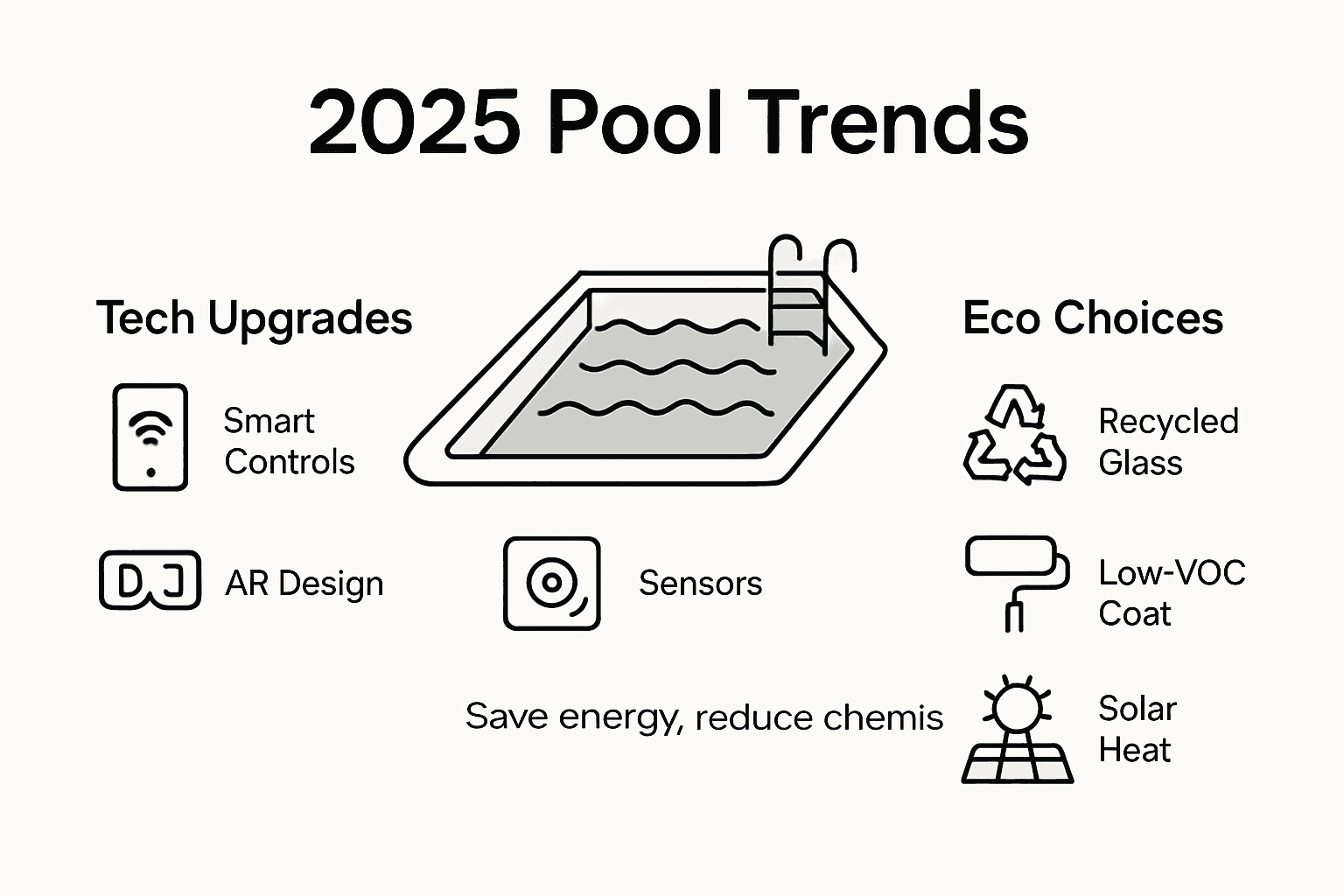
Innovative pool resurfacing technologies are emerging with a strong focus on eco-friendly materials and energy-efficient applications. These advanced solutions incorporate recycled aggregates, low-VOC (volatile organic compound) coatings, and materials engineered to minimize chemical usage and environmental footprint. Sustainable innovations include:
- Recycled Glass Aggregates: Transforming waste materials into durable pool surfaces
- Low-Impact Chemical Treatments: Reducing harmful environmental interactions
- Thermal-Regulating Surfaces: Minimizing energy consumption for pool temperature management
Digital technologies are also revolutionizing pool resurfacing approaches. Augmented reality tools now allow homeowners to visualize potential surface designs before installation, while advanced imaging techniques enable precise damage assessment and targeted restoration strategies. Smart monitoring systems can now detect early signs of surface degradation, enabling proactive maintenance and extending the lifespan of pool finishes.
Pro tip: Consider scheduling a comprehensive pool surface assessment during the off-season to leverage emerging technologies and eco-friendly restoration techniques.
Comparing Cost, Durability, and Value
Understanding the financial implications of pool resurfacing requires a nuanced approach that goes beyond simple upfront costs. Pool resurfacing expenses in Florida involve multiple interconnected factors that directly impact long-term value and homeowner investment.
The cost spectrum for pool resurfacing ranges significantly based on material selection and pool characteristics:
- White Plaster: $3-$5 per square foot
- Lowest initial investment
- Shortest lifespan (5-7 years)
- Quartz Aggregate: $5-$7 per square foot
- Moderate cost
- Extended durability (10-15 years)
- Pebble Finishes: $7-$10 per square foot
- Highest initial cost
- Maximum longevity (15-25 years)
Crucial considerations extend beyond mere price points. Florida’s unique environmental conditions demand materials that can withstand intense sunlight, frequent chemical treatments, and temperature fluctuations. Investing in higher-quality surfaces ultimately reduces long-term maintenance expenses and potential structural damage. Homeowners should calculate total lifecycle costs, considering not just installation expenses but also anticipated repair frequency, chemical treatment requirements, and potential property value enhancement.
Compare the total investment value of different pool resurfacing materials:
| Material | Initial Cost (per sq ft) | Expected Service Life | Value for Florida Conditions |
|---|---|---|---|
| White Plaster | $3-$5 | 5-7 years | Lowest upfront, frequent renewal |
| Quartz Aggregate | $5-$7 | 10-15 years | Best balance, handles weather well |
| Pebble Finish | $7-$10 | 15-25 years | Highest durability, ideal for harsh climate |
Pro tip: Request detailed cost projections that include estimated maintenance expenses for each material type to make a truly informed resurfacing decision.
Mistakes to Avoid When Resurfacing
Common pool resurfacing mistakes in Florida can transform what should be a straightforward renovation into an expensive nightmare for homeowners. Understanding these potential pitfalls is crucial for protecting your investment and ensuring a successful pool restoration project.
Homeowners frequently encounter several critical errors during the resurfacing process:
- Improper Timing: Attempting resurfacing during Florida’s humid months
- Contractor Selection: Hiring unlicensed or inexperienced professionals
- Material Mismatches: Choosing surfaces incompatible with local climate conditions
- Neglecting Preparation: Skipping thorough surface assessment and repair
The most significant mistake is underestimating the complexity of pool resurfacing in Florida’s extreme environmental conditions. Factors like intense UV exposure, high humidity, and temperature fluctuations demand specialized materials and expert application techniques. Homeowners who attempt DIY approaches or select contractors without specialized regional expertise often face premature surface degradation, requiring costly repairs and potentially compromising the entire pool structure.
Pro tip: Schedule professional pool assessments during dry seasons and request detailed documentation of proposed resurfacing techniques specific to Florida’s unique environmental challenges.
Choosing the Right Contractor
Understanding legal requirements for pool resurfacing contractors is fundamental to protecting your investment and ensuring a successful pool renovation project in Florida. Homeowners must navigate a complex landscape of professional credentials and regulatory compliance to select a truly qualified professional.
Critical factors to consider when evaluating pool resurfacing contractors include:
- Licensing: Verify Certified Pool/Spa Contractor or Residential Pool Contractor credentials
- Insurance: Confirm comprehensive liability and worker’s compensation coverage
- Experience: Seek specialists with minimum 5 years of Florida-specific pool resurfacing experience
- Portfolio: Request and review detailed documentation of previous local projects
- References: Contact at least three recent clients for comprehensive feedback
The selection process demands more than surface-level assessment. Experienced contractors understand Florida’s unique environmental challenges, including extreme humidity, intense sunlight, and rapid temperature fluctuations. They will provide detailed project plans that account for these specific conditions, demonstrating technical expertise beyond basic resurfacing techniques. A truly professional contractor will offer transparent pricing, comprehensive warranties, and a clear timeline for project completion.
Pro tip: Utilize the Florida Department of Business and Professional Regulation online portal to independently verify a contractor’s licensing status and potential disciplinary history before signing any agreements.
Upgrade Your Florida Pool with Expert Resurfacing Solutions
The 2025 updates in pool resurfacing highlight challenges like Florida’s intense UV exposure, chemical wear, and humidity. These factors make it essential to choose premium materials and specialized techniques to extend your pool’s life and appearance. Homeowners aiming to avoid costly mistakes and ensure long-lasting durability need trusted partners who understand these unique demands. With options like Pebble Tec® and hybrid polymer composites reshaping pool surfaces, your pool can become a stunning centerpiece that stands up to harsh weather.

Classic Marcite has resurfaced over 100,000 pools since 1988 across Orlando and Jacksonville and is Central Florida’s largest Pebble Tec® applicator. Our expert team delivers tailored pool renovation services including resurfacing, repairs, and remodeling using state-of-the-art materials designed for Florida’s climate. Start your pool transformation today and experience durable, beautiful surfaces made to last. Get your free estimate and explore our portfolio at Classic Marcite. Learn more about pool resurfacing basics and understand why pools need resurfacing to ensure your investment adds real value.
Frequently Asked Questions
What are the new materials used in pool resurfacing in 2025?
In 2025, advanced materials such as hybrid polymer composites and nano-enhanced finishes are emerging. These materials offer increased resistance to chemical degradation, UV exposure, and temperature fluctuations, enhancing the longevity and durability of pool surfaces.
How do I choose the right resurfacing material for my pool?
When selecting a resurfacing material, consider the benefits of each type. White plaster is cost-effective but has a shorter lifespan, while quartz aggregate offers moderate durability, and pebble finishes provide exceptional longevity and texture. Assess your individual needs, budget, and environmental conditions before making a decision.
What are the eco-friendly options for pool resurfacing?
Eco-friendly options include recycled glass aggregates and low-VOC coatings, which minimize environmental impact while enhancing surface durability. These materials are designed to reduce chemical usage and energy consumption, making them a sustainable choice for pool owners.
What mistakes should I avoid during the pool resurfacing process?
Common mistakes include improper timing, such as resurfacing during humid months, and neglecting to thoroughly assess and prepare the surface. Additionally, choosing a contractor without the necessary experience in local environmental conditions can lead to improper installations and premature surface degradation.