TL;DR:
- Regular maintenance and timely upgrades can double a Florida pool’s lifespan.
- Professional inspections and surface protection are essential to prevent costly repairs.
- Energy-efficient equipment and saltwater systems enhance durability and reduce long-term costs.
Replacing a pool from scratch can cost $50,000 or more in Florida, making your existing pool one of the most valuable assets on your property. Orlando and Jacksonville homeowners face a specific challenge: intense UV exposure, heavy rain, and year-round use put pools under constant stress. The good news is that targeted maintenance habits and smart upgrades can genuinely double your pool’s usable life. This guide walks you through the most effective, expert-backed strategies to protect your investment, keep your water clean, and make your pool look great for decades.
Table of Contents
- Establish the right maintenance routine
- Upgrade essential pool equipment
- Protect and refresh your pool’s surface
- Enlist professional inspections and repairs
- Our perspective: The pool care myths that cost Orlando and Jacksonville homeowners the most
- Extend your pool’s life with expert support
- Frequently asked questions
Key Takeaways
| Point | Details |
|---|---|
| Routine maintenance matters | A regular cleaning and chemical schedule can double your pool’s usable years. |
| Upgrade for durability | Modern pumps and equipment lower wear and slash future repair costs. |
| Surface care is critical | Prompt repairs and tailored finishes protect your pool from Florida’s harsh elements. |
| Trust professionals | Routine inspections and expert repairs prevent small problems from becoming big expenses. |
Establish the right maintenance routine
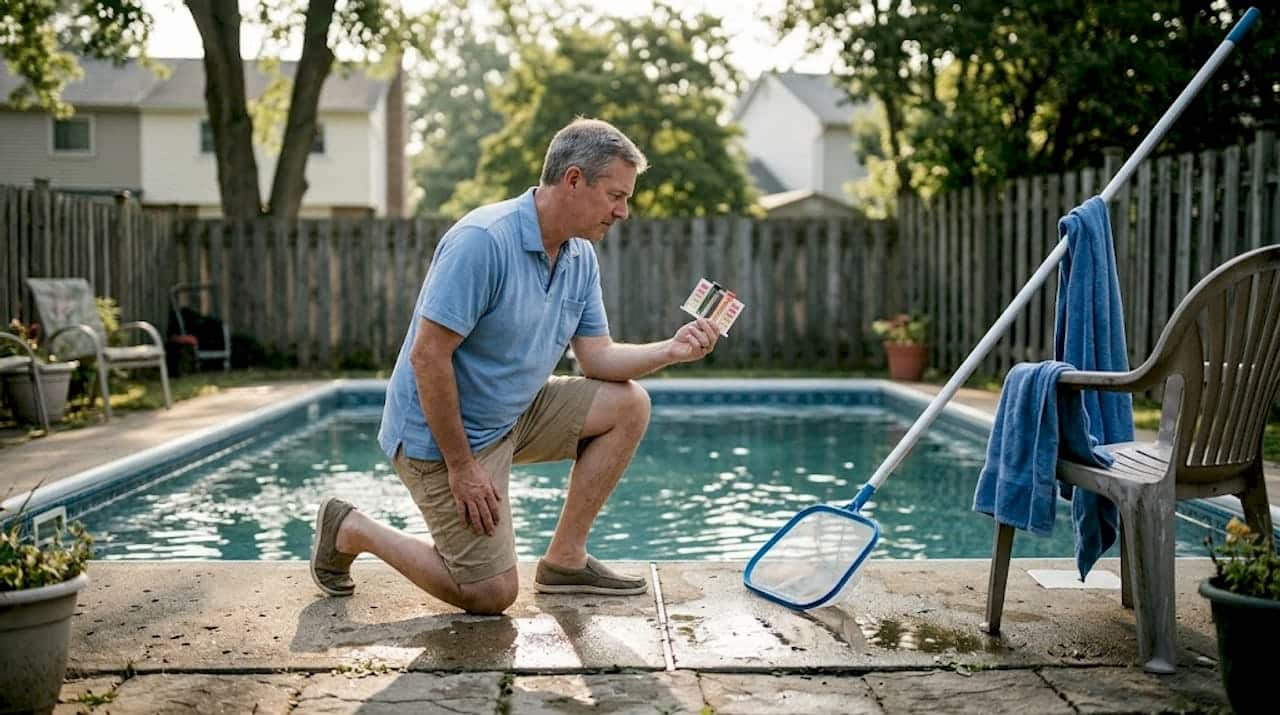
Consistency is everything when it comes to pool care. A pool that gets attention every week stays cleaner, runs more efficiently, and holds up far longer than one that only gets treated when something looks wrong. Neglecting routine cleaning and chemical balance leads to premature wear and costly repairs, especially in Florida’s heat.
Here’s what a solid weekly and monthly routine looks like:
- Weekly: Skim the surface, brush walls and steps, vacuum the floor, and check water level.
- Weekly: Test and adjust pH (target 7.4 to 7.6), chlorine (1 to 3 ppm), and alkalinity (80 to 120 ppm).
- Monthly: Inspect the filter, backwash if needed, and check for early signs of staining or surface wear.
- Seasonally: In Florida, storm prep matters. Clear debris before hurricanes, check equipment after heavy rain, and inspect for damage.
Chemical balance is not just about water clarity. When pH drifts too high or too low, it attacks your pool’s surface material and shortens equipment life. Learning pool maintenance basics early saves you from expensive fixes later.
Well-maintained pools can last twice as long as neglected ones. That stat alone makes the case for sticking to a schedule.
Pro Tip: Invest in an automatic pool cleaner. It handles debris between manual cleanings, reduces the load on your filter, and prevents organic buildup that leads to staining. Pair it with a timer so it runs during off-peak hours.
Knowing when to call a professional matters too. You can handle skimming, brushing, and basic chemical testing yourself. But when you notice persistent algae, unusual water color, or surface pitting, those are signs to bring in an expert. Following residential pool care best practices and learning how to maintain pool surface effectively are two of the best starting points for any Florida homeowner.
Upgrade essential pool equipment
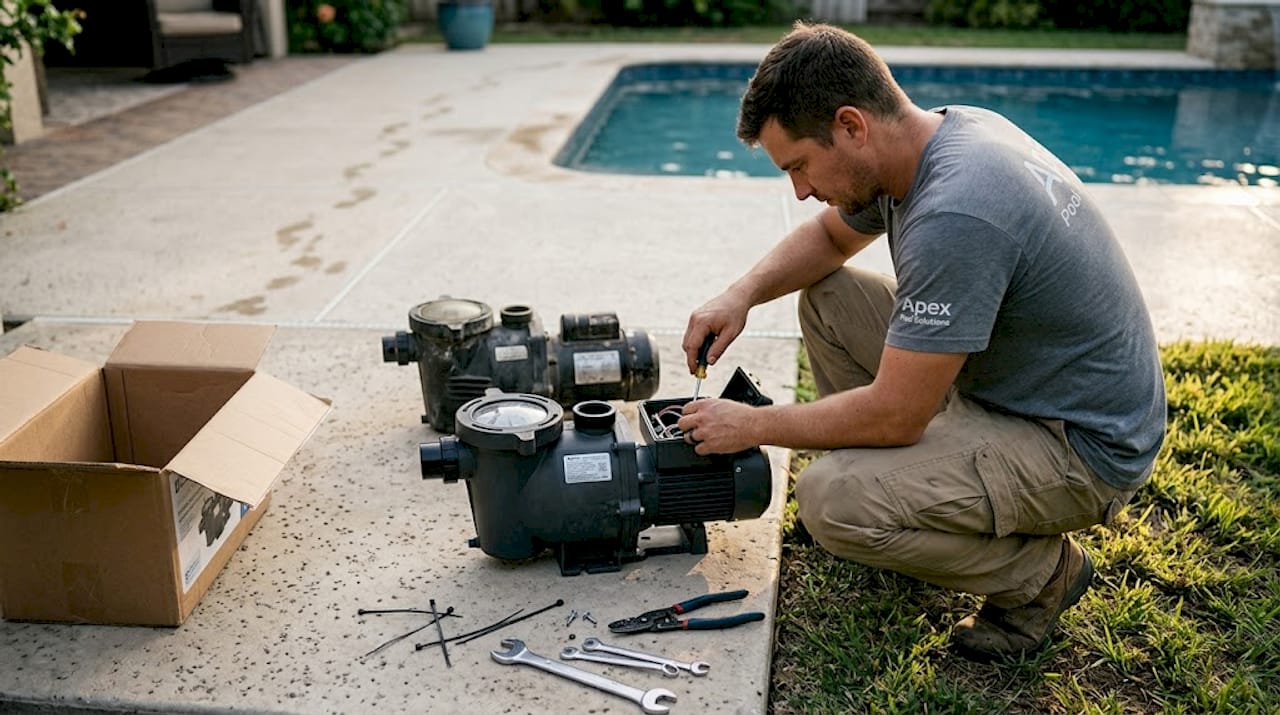
Solid maintenance habits are only half the equation. The equipment running your pool plays a huge role in how long it lasts and how much it costs to operate. Upgrading outdated pumps and filters can prolong pool life and save on energy bills.
Here’s a quick comparison of old versus new pool technology:
| Equipment | Old technology | Modern upgrade |
|---|---|---|
| Pool pump | Single-speed, high energy use | Variable speed, up to 90% more efficient |
| Filter | Sand filter, frequent backwashing | Cartridge or DE filter, finer filtration |
| Chlorinator | Manual dosing | Automated saltwater or inline chlorinator |
| Cleaner | Manual vacuum | Robotic vacuum with programmable cycles |
| Automation | Manual switches | App-controlled systems for remote management |
Modern equipment does more than save electricity. Variable speed pumps circulate water more gently, which reduces surface erosion over time. Better filtration means fewer chemicals needed, which is easier on your pool’s finish. Energy-efficient pool pumps are now the standard recommendation for new builds and renovations alike.
Here are the top smart upgrades worth considering in order of impact:
- Variable speed pump (biggest energy and surface protection benefit)
- Automated chlorinator or saltwater system
- Robotic pool vacuum
- App-based automation system for lighting, temperature, and filtration
- LED lighting (lower heat output, longer lifespan)
Use this equipment upgrade checklist to prioritize based on your pool’s age and current setup. You can also explore smart equipment upgrades that fit different budgets.
Pro Tip: Consider a saltwater conversion. Saltwater pools use a generator to produce chlorine naturally from salt, which is gentler on surfaces and much easier on swimmers’ skin and eyes. The upfront cost is offset by lower chemical expenses over time.
Protect and refresh your pool’s surface
Smart equipment helps, but your pool’s surface is the first line of defense against wear. The interior finish takes the most direct punishment from chemicals, UV rays, and physical use. Surface cracks, pits, and fading shorten the life of your pool unless addressed promptly.
Watch for these warning signs that your surface needs attention:
- Rough or sharp texture on pool walls and floor
- Visible cracks, chips, or hollow spots
- Persistent staining that brushing and chemicals won’t remove
- Fading or uneven color across the surface
- Frequent algae growth despite proper chemical levels
Different surface materials age at very different rates. Here’s a comparison:
| Surface type | Average lifespan | Notes |
|---|---|---|
| Standard plaster | 7 to 10 years | Most affordable, but requires more upkeep |
| Quartz aggregate | 12 to 17 years | More durable, better stain resistance |
| Pebble Tec | Up to 25 years | Premium durability, ideal for Florida climate |
Pebble Tec surfaces last up to 25 years with proper care, making them one of the most cost-effective long-term surface choices for Florida pools.
Between resurfacing cycles, regular brushing is your best tool. Brushing two to three times per week prevents calcium scale and algae from bonding to the surface. Keeping chemical levels balanced reduces etching, which is the slow erosion of plaster caused by low pH. For chips and small cracks, pool repair options exist that can buy you more time before a full resurface is needed. Addressing minor damage early is always cheaper than waiting.
Enlist professional inspections and repairs
While DIY care is crucial, some issues take a pro’s eye to catch before they become expensive. A trained inspector looks at things most homeowners simply don’t have the tools or experience to evaluate. Professional inspections can catch problems homeowners miss, often adding years to pool lifespan.
A standard inspection typically covers:
- Structure: Cracks in the shell, deck separation, or settling
- Plumbing: Leaks in return lines, skimmer connections, or main drain
- Equipment: Pump performance, filter condition, heater function
- Surface: Pitting, staining, delamination
- Safety: Drain covers, fencing, electrical bonding
Common issues caught early that prevent major repairs include plumbing leaks, corroded electrical components, failing gaskets, and hairline surface cracks. Left alone, each of these can escalate into a repair costing thousands.
How often should you schedule a professional inspection? Here’s a practical guide:
- New pools (0 to 5 years): Every two years, focusing on equipment and surface settling.
- Mid-age pools (5 to 15 years): Annually, with attention to surface wear and plumbing.
- Older pools (15 years and up): Every six to twelve months, especially before and after storm season.
Use regular pool inspections as a baseline, and review common repair examples to understand what early intervention actually looks like in practice.
Annual professional checks are one of the highest-return investments a pool owner can make. Catching a $200 plumbing issue before it becomes a $4,000 structural repair is exactly what inspections are designed to do.
Don’t wait for visible problems. If your pool is making unusual noises, losing water faster than evaporation explains, or showing sudden chemical imbalances, call a professional. A professional pool inspection gives you a clear picture of where your pool stands and what it needs next.
Our perspective: The pool care myths that cost Orlando and Jacksonville homeowners the most
Most pool care advice focuses on chemicals. Add this, adjust that, shock it weekly. But in Florida’s climate, chemical management alone is not a longevity strategy. It’s a band-aid. We’ve seen pools with perfect water chemistry that still needed full resurfacing ahead of schedule because the surface was never properly brushed, and the equipment was running on outdated single-speed pumps that stressed the finish.
The real ROI comes from small, consistent actions over time, not dramatic interventions. A pool that gets brushed three times a week, has its equipment updated every eight to ten years, and gets a professional inspection annually will almost always outlast one that gets shocked twice a month and ignored otherwise.
Another overlooked factor: documentation. Keep a log of every chemical treatment, repair, and upgrade. When you sell your home, a documented pool history adds measurable value and gives buyers confidence. It also helps you spot patterns, like a recurring pH drop that signals a CO2 issue rather than a chemical one.
For surface choices, ignore trends. Focus on what holds up in Florida heat and humidity. That’s why we consistently point homeowners toward remodeling for durability over aesthetics alone. An ounce of routine prevention can save a complete resurfacing.
Extend your pool’s life with expert support
Ready to make big changes or need a professional assessment? Classic Marcite has resurfaced over 100,000 pools across Florida since 1988, and we know exactly what it takes to keep pools in Orlando and Jacksonville performing at their best for decades.

Whether you’re exploring pool resurfacing basics for the first time, looking into pool remodeling services to modernize your backyard, or need resurfacing help in a specific area like pool resurfacing The Villages, our team is ready to help. Contact us today for a free estimate and let’s build a plan that protects your pool investment for the long haul.
Frequently asked questions
How often should pool resurfacing be done?
Most pools need resurfacing every 10 to 15 years, but quality finishes like Pebble Tec last 25 years with proper care and maintenance.
What are the most cost-effective ways to extend my pool’s life?
Routine maintenance, timely repairs, and upgrading to energy-efficient equipment are the top cost-effective strategies. Routine maintenance is the key to avoiding costly repairs down the road.
Can DIY repairs hurt my pool’s lifespan?
Attempting major structural repairs without expertise can worsen damage significantly. Leave those fixes to professionals, since catching problems early is what prevents early pool failure.
Is it worth converting to a saltwater pool for longevity?
Saltwater pools are gentler on surfaces and often require less chemical adjustment, which may extend surface life. Saltwater conversions are a recommended longevity upgrade for Florida homeowners.