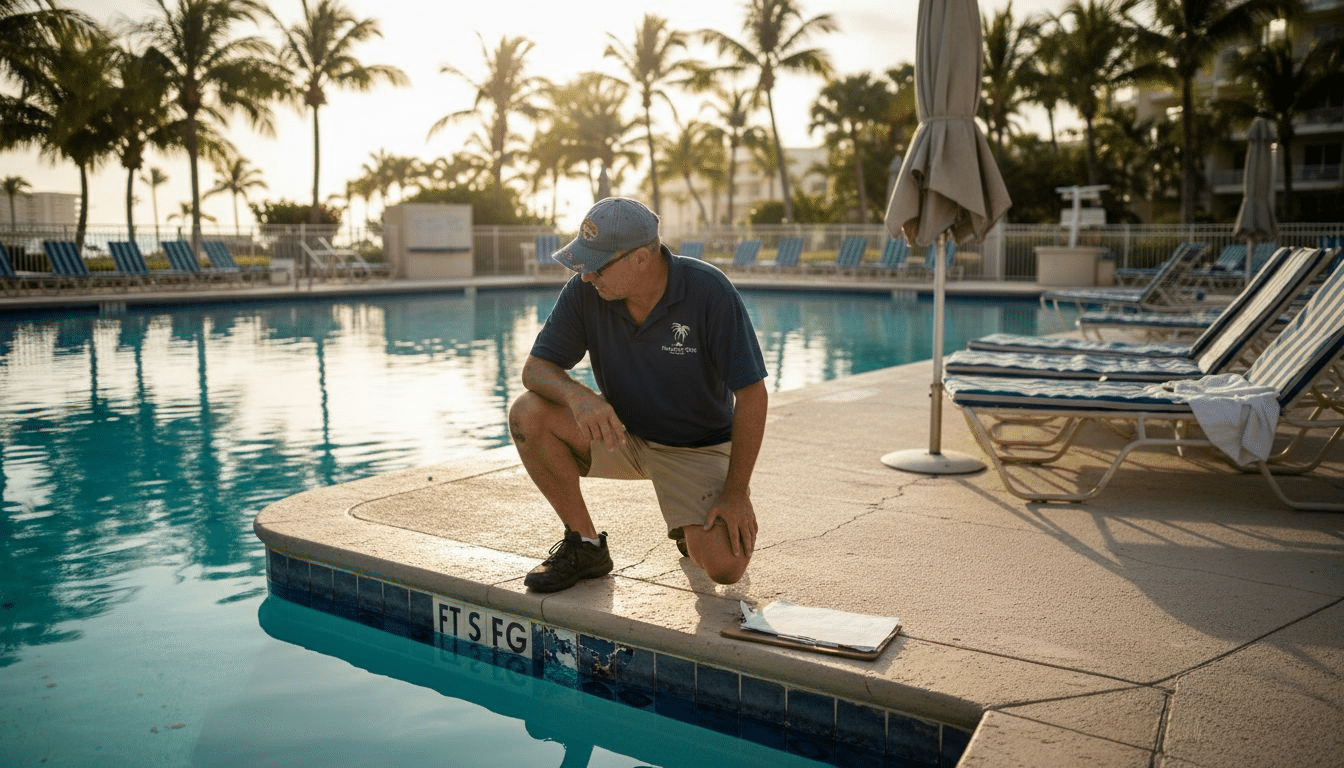
Keeping your commercial pool in Florida safe, attractive, and efficient can feel overwhelming with so many upgrade options and ever-changing standards. Facility managers face challenges from rising utility costs to maintaining water clarity that meets health regulations. Investing in the right improvements makes a noticeable difference for guests and your bottom line. This guide reveals specific upgrades and technologies backed by research that deliver longer-lasting finishes, lower energy bills, safer pool decks, and better water quality. You’ll discover actionable tips and smart choices designed to help you take your pool from ordinary to outstanding.
Table of Contents
- Upgrade to Durable Pebble Tec® Pool Finishes
- Add Energy-Efficient LED Pool Lighting
- Install Advanced Pool Water Features
- Renovate Pool Decks with Modern Materials
- Enhance Safety with Non-Slip Surfaces
- Update Pool Equipment for Better Efficiency
- Improve Curb Appeal with Custom Tile and Coping
Quick Summary
| Key Insight | Explanation |
|---|---|
| 1. Upgrade to Pebble Tec® for durability | Pebble Tec® lasts 15-20 years, reducing maintenance costs and enhancing visual appeal. |
| 2. Switch to LED lighting for efficiency | LED pool lights cut energy use by up to 80%, significantly lowering electricity bills over time. |
| 3. Implement advanced water treatment systems | Ultrafiltration and UV disinfection improve water quality, enhancing guest satisfaction and regulatory compliance. |
| 4. Renovate pool decks with modern materials | Use slip-resistant, durable materials to enhance safety and aesthetics of pool decks, attracting more guests. |
| 5. Update pool equipment to optimize performance | Modern pumps and heaters reduce energy consumption and improve water quality, leading to substantial long-term savings. |
1. Upgrade to Durable Pebble Tec® Pool Finishes
When your commercial pool’s surface shows signs of wear, a Pebble Tec® finish upgrade delivers far more than a cosmetic refresh. This investment transforms your pool into a long-lasting asset that handles Florida’s demanding climate while maintaining visual appeal for years to come.
Pebble Tec® stands apart from traditional plaster because of its unique composition and construction method. Rather than a smooth, painted surface, Pebble Tec® combines small aggregate stones with a cement binder, creating a textured finish that grips feet and resists algae growth naturally. The result feels more substantial underfoot and looks more sophisticated than standard pool plaster. Pebble Tec® finishes have earned their reputation specifically because they resist staining, fading, and the corrosive effects of Florida’s saltwater, chlorine, and intense UV exposure.
For commercial properties in Orlando and Jacksonville, durability translates directly to reduced operational costs. A quality Pebble Tec® finish lasts 15 to 20 years or longer when properly maintained, compared to the 5 to 10 year lifespan of traditional plaster. That extended timeline means fewer disruptions to your facility, less downtime for resurfacing work, and fewer emergency repairs that interrupt guest experiences. Your maintenance team will appreciate that Pebble Tec® requires less frequent acid washing and chemical treatment to maintain its appearance.
The aesthetic versatility makes Pebble Tec® particularly valuable for commercial pools that define a property’s character. You can choose from dozens of color and texture combinations that complement your facility’s architectural style and landscaping. Whether your property features modern minimalist design or traditional Mediterranean aesthetics, a Pebble Tec® color exists that enhances your vision. Popular choices for commercial pools include shades of blue, turquoise, green, and gray, each creating distinct atmospheres. Some property managers select finishes with subtle sparkle effects that catch sunlight and create visual interest throughout the day.
Understanding the financial picture helps justify this upgrade to stakeholders. While Pebble Tec® costs more upfront than plaster resurfacing, the extended service life and reduced maintenance requirements create measurable long-term savings. Over a 20-year period, property owners typically spend less on Pebble Tec® than they would resurfacing with plaster multiple times. Additionally, pools with premium finishes command higher rental rates for events, weddings, and corporate functions. Many hospitality venues report that upgraded pool surfaces increase occupancy rates because guests recognize quality and durability.
Florida’s climate presents specific challenges that Pebble Tec® handles exceptionally well. The combination of intense sun, high humidity, salt spray near coastal areas, and frequent heavy rainfall can deteriorate standard pool surfaces rapidly. Pebble Tec® resists UV fading better than plaster, meaning your pool maintains its vibrant color year after year. The slightly porous nature of the aggregate stones allows water to penetrate minimally while preventing the smooth surface degradation that plaster experiences.
Pro tip: Schedule a professional assessment before committing to resurfacing so you understand your pool’s current condition and can determine whether full resurfacing is necessary or if targeted repairs might extend your existing surface’s life by another season or two.
2. Add Energy-Efficient LED Pool Lighting
Your pool lighting system runs virtually every evening during operating hours, making it one of the largest energy consumers at your commercial facility. Switching from traditional incandescent or halogen pool lights to LED technology can slash your electricity bills while creating superior ambiance that guests actually prefer.
Traditional pool lighting technology wastes enormous amounts of energy as heat rather than visible light. An incandescent or halogen pool light converts most of its electrical input into infrared radiation that warms the surrounding air and water rather than illuminating the pool. LED lights operate on completely different physics. They emit light through solid state technology that produces minimal heat waste. The efficiency difference is substantial: LED pool lights reduce energy consumption by up to 80 percent compared to older lighting technologies. For a commercial property operating lights for 8 to 12 hours daily, that translates into thousands of dollars in annual savings.
The longevity advantage compounds your financial benefits. Traditional pool lights typically burn out after 2,000 to 5,000 hours of operation, requiring frequent replacement and labor costs for maintenance staff. LED pool lights function for 25,000 to 50,000 hours or more. That means your staff replaces bulbs far less often, reducing maintenance disruptions and supply costs. Over the lifespan of your pool lighting system, LED technology pays for itself through energy savings alone, then continues delivering value through extended service life.
Beyond the bottom line, LED lighting transforms the guest experience. The ability to customize color, intensity, and effects allows you to create distinct moods for different times of day or event types. Morning lap sessions might benefit from bright white light that supports visibility and safety. Evening social gatherings could feature soft blue or green illumination that creates relaxation and sophistication. Special events can incorporate color changing sequences that enhance entertainment value. Your guests notice and appreciate these thoughtful touches, and such features can justify premium pricing for facility rentals.
Florida’s regulatory environment increasingly supports LED adoption. U.S. Department of Energy regulations establish minimum efficiency standards for pool lighting, and compliant LED systems meet or exceed these requirements with certification and labeling that demonstrate their efficiency credentials. By upgrading to certified LED lights, you demonstrate environmental responsibility that appeals to today’s conscious consumers while ensuring your facility meets current and future energy standards.
Temperature control becomes another benefit you may not have considered. Because LED lights emit minimal heat, they do not significantly warm your pool water during illumination. This matters more than you might think in Florida’s climate. Less heat contribution from lights means your pool heater runs less frequently during cooler months, further reducing operational costs. During summer months when water temperature is naturally high, avoiding extra heat from inefficient lighting helps you maintain comfortable swimming conditions without additional cooling expenses.
Implementing LED lighting upgrades requires thoughtful planning. Modern LED pool lights come in various configurations to match your existing fixture types, whether you have traditional wet niche lights, above-ground fixtures, or decorative accent lighting around deck areas. Professional installers can assess your current system and recommend LED replacements that maintain your desired lighting pattern while maximizing efficiency gains.
Pro tip: Start your LED conversion with the pool’s main underwater lights, which run longest and deliver the biggest energy savings, then upgrade accent and deck lighting in subsequent phases to spread implementation costs across multiple budget cycles.
3. Install Advanced Pool Water Features
The water quality inside your commercial pool directly impacts guest safety, satisfaction, and your facility’s reputation. Modern water treatment systems go far beyond basic chlorination, offering sophisticated technologies that create crystal clear, safer water while reducing the chemical harshness guests experience.
Traditional chlorine based pool treatment works by disinfecting water, but it creates unwanted byproducts in the process. When chlorine interacts with organic matter introduced by swimmers like sweat, urine, and body oils, it creates combined chlorine compounds that produce that familiar strong pool smell and can irritate eyes and skin. These disinfection byproducts accumulate over time, degrading water quality despite your best chemical management efforts. Advanced water treatment systems address this problem at its source by removing contaminants before they can react with chlorine.
Ultrafiltration technology represents one of the most effective advances in commercial pool water treatment. This system uses specialized polymer membranes to filter water at a microscopic level, removing suspended particles, microorganisms, and organic compounds that traditional sand filters miss. Advanced ultrafiltration processes reduce combined chlorine concentration while improving overall water clarity to levels that guests immediately notice and appreciate. The result is water that looks pristine and feels refreshing rather than chemically harsh.
Combining ultrafiltration with UV disinfection creates an even more powerful water treatment approach. UV light technology kills microorganisms like bacteria, viruses, and algae spores through a completely different mechanism than chlorine, providing an additional safety layer without creating harmful chemical byproducts. Alternative disinfection methods like UV technology combined with ultrafiltration can enhance water safety and clarity in commercial settings while reducing the concentration of problematic combined chlorine. Your facility maintains full regulatory compliance while delivering water quality that exceeds guest expectations.
For commercial pool operators in Florida, these advanced systems align perfectly with local health and safety regulations. Florida’s health department establishes specific standards for water clarity, chemical balance, and microorganism control. By installing modern treatment technologies, you ensure consistent compliance while reducing the burden on your maintenance staff. Advanced systems often feature automated monitoring that tracks water quality parameters continuously and alerts staff to any deviations before they become problems.
Guest experience improves noticeably when you upgrade water treatment systems. Swimmers report that crystal clear water feels more inviting and refreshing. The reduced chemical smell and eye irritation create a more pleasant swimming environment, especially for young children and people with sensitive skin. Hotels, resorts, and recreation facilities that implement advanced water treatment often see improved guest satisfaction scores and positive online reviews that mention water quality specifically.
Maintenance considerations are important when evaluating advanced water treatment options. While ultrafiltration membranes require periodic chemical cleaning to maintain optimal performance, the overall reduction in manual chemical management often offsets this requirement. Your maintenance team spends less time testing and adjusting chemical levels and more time on other facility improvements. Automated systems reduce the possibility of human error that can compromise water quality.
The installation process typically involves working with professional water treatment specialists who assess your current system and recommend the best upgrade path. Some facilities can retrofit existing equipment, while others may benefit from complete system replacement depending on their age and configuration. Professional installers ensure proper integration with your current circulation system and establish monitoring protocols.
Pro tip: Start by having your current water quality professionally analyzed to identify specific contaminants and treatment gaps, then select advanced features that address your facility’s particular challenges rather than implementing all technologies at once.
4. Renovate Pool Decks with Modern Materials
Your pool deck is where guests spend as much time as they spend in the water, yet many commercial pool operators neglect this critical space. A modern deck renovation transforms your poolside from a worn, cracked, or slippery surface into an attractive, safe gathering area that enhances your entire facility’s appeal.
Older pool decks often feature basic concrete that cracks under Florida’s intense sun and freeze-thaw cycles, creating safety hazards and visual deterioration. Modern materials offer dramatically superior performance. Stamped concrete, decorative pavers, rubber coatings, and composite decking all provide superior durability compared to standard concrete while offering aesthetic flexibility that suits your facility’s design vision. These materials resist UV damage, reduce heat absorption, and maintain their appearance for years with minimal maintenance.
Slip resistance ranks as the most critical safety consideration for any pool deck. Wet surfaces present constant drowning and injury risks, making it essential that your deck material prevents slipping even when saturated. Modern pool deck materials emphasize slip resistance, low maintenance, and aesthetic appeal while meeting or exceeding industry safety standards. Textured finishes, rubberized coatings, and properly installed pavers all provide excellent grip for bare feet, reducing liability exposure and guest injuries.
Stamped concrete offers an excellent balance of cost, aesthetics, and durability for many commercial properties. This technique applies patterns and textures to concrete surfaces, creating the appearance of stone, brick, or tile at a fraction of the cost of actual pavers. You can customize colors and patterns to match your facility’s branding or architectural theme. Stamped concrete resists weather, requires only occasional sealing, and handles high foot traffic without degrading. For facilities with budget constraints, stamped concrete delivers sophisticated results without the premium pricing of alternative materials.
Decorative concrete pavers provide another premium option that appeals to upscale properties and resorts. Individual pavers allow creative layout designs, curved patterns, and color combinations that stamped concrete cannot achieve. If individual pavers crack or become damaged, you can replace just that single unit rather than resurfacing an entire section. Pavers drain water effectively, reducing puddles and slipping hazards. The variety of colors, sizes, and finishes available allows you to create truly distinctive poolside environments that guests find memorable.
Rubber coating systems are gaining popularity for their outstanding slip resistance and comfort underfoot. These flexible coatings absorb impact, making them gentler on joints than hard surfaces, which appeals to older guests and guests with mobility concerns. Rubber coatings provide excellent drainage, preventing standing water that creates slipping hazards and attracts algae and insects. The material resists chemical damage from pool water and chlorine, maintaining its appearance even in harsh commercial pool environments. Many water parks and aquatic facilities choose rubberized surfaces specifically because they combine safety with guest comfort.
Composite decking, made from wood and plastic blends, offers a warm aesthetic that appeals to guests seeking a more natural poolside experience. Unlike wood, composites do not splinter, rot, or require regular staining and sealing. They resist moisture absorption, UV fading, and insect damage. While composite decking costs more than some alternatives, the minimal maintenance requirements and superior longevity make it economical over time. Composite materials work particularly well for elevated deck structures and accent areas where traditional poured concrete would not be appropriate.
Design trends in modern pool deck renovations emphasize creating distinct zones and visual interest. Color accents, textured contrasts, and strategic use of different materials can define lounging areas, circulation paths, and shallow water entry zones. Modern decks often incorporate integrated seating areas, shade structures, and plantings that transform the poolside into a cohesive resort-style environment. These design elements improve guest satisfaction and encourage longer stays at your facility.
Proper drainage represents a frequently overlooked but critical aspect of deck renovation. Water that pools on deck surfaces creates slip hazards and promotes algae, mold, and insect breeding. Modern deck materials include slope and drainage design that channels water efficiently toward perimeter drains or landscaped areas. During your renovation planning, ensure your contractor prioritizes drainage as much as surface material selection.
Pro tip: Select deck materials that complement your pool’s interior finish, such as choosing deck colors that harmonize with your Pebble Tec or plaster surface, creating a cohesive visual experience that elevates the overall appeal of your entire facility.
5. Enhance Safety with Non-Slip Surfaces
Slip and fall accidents represent one of the most common injuries at commercial pools, often resulting in serious liability claims and guest injuries that damage your facility’s reputation. Installing non-slip surfaces around your pool deck is not optional—it’s a fundamental safety requirement that protects guests and reduces your legal exposure.
Wet pool decks create dangerous conditions because water reduces friction between bare feet and hard surfaces. Guests descending from the bleachers, walking from the changing area, or moving around the pool perimeter all face slip hazards, especially children and older adults who have reduced balance and reaction time. Non-slip surfaces prevent accidents from wet and slippery pool decks by providing consistent traction even when saturated with water. The difference between a slick concrete deck and a properly textured surface can mean the difference between a safe visit and an emergency room trip.
Understanding the different non-slip material options allows you to select the best solution for your facility’s specific conditions. Textured concrete finishes, applied during deck resurfacing, create a rough surface that grips bare feet effectively. Rubberized granule coatings embed small rubber particles into a protective layer, providing excellent traction and cushioning that feels comfortable underfoot. Non-glazed ceramic tiles with textured surfaces offer a more upscale aesthetic while maintaining superior slip resistance compared to smooth, glazed tiles. Composite surfacing products combine multiple materials to optimize both safety and durability.
Each material option handles Florida’s challenging environment differently. All effective non-slip surfaces must withstand constant exposure to chlorine, pool chemicals, and intense UV radiation without degrading. Advanced textures in non-slip surfaces deliver superior slip resistance, UV resistance, and chemical resistance that ensure long-term performance in commercial pool environments. This durability matters tremendously because a non-slip surface that deteriorates and becomes smooth again defeats its entire purpose and creates false confidence in safety.
Textured concrete represents the most economical non-slip option and works well for most commercial applications. During the concrete curing process, a broom or chemical etching creates a textured surface that resists slipping. The texture is integral to the material rather than applied on top, meaning it does not wear away with heavy foot traffic. For facilities upgrading existing decks, textured resurfacing over worn concrete provides cost effective safety improvement without complete deck replacement.
Rubberized coatings offer superior comfort and slip resistance, particularly for facilities prioritizing user experience. These materials feel softer underfoot than concrete, reducing fatigue for guests who spend extended time poolside. The rubber surface absorbs water effectively and provides excellent drainage, preventing puddles that create additional slip hazards. These coatings work exceptionally well in areas with heavy foot traffic like pool entrances and areas near diving boards.
Non-slip tile surfaces appeal to luxury resort properties and facilities with sophisticated design standards. High-end non-glazed tiles provide slip resistance while maintaining the aesthetic appeal of tiled surfaces. Proper installation with appropriate grout spacing and drainage ensures water does not pool between tiles. Maintenance requires regular cleaning to prevent algae growth in grout lines, but the visual sophistication often justifies the extra care.
Regulatory compliance represents another critical reason to prioritize non-slip surfaces. Florida’s health department and facility safety regulations specify minimum slip resistance requirements for commercial pool decks. Documentation of non-slip surface installation demonstrates that you take guest safety seriously and meet regulatory standards. This compliance protects you during inspections and provides evidence of responsible facility management if accidents occur.
Installation considerations affect the overall success of your non-slip upgrade. Proper drainage must be integrated into your surface design so water flows away from the deck rather than pooling in low spots. Surface slope should facilitate drainage without creating hazardous steep areas. Professional installers understand these technical requirements and ensure your non-slip surface functions effectively long-term.
Pro tip: Prioritize non-slip surface installation in the highest risk areas first, such as pool entry and exit points, areas immediately adjacent to water, and walkways near diving boards, then expand your program to other deck areas as budget allows.
6. Update Pool Equipment for Better Efficiency
Your pool’s pumps, heaters, and filtration systems run constantly during operating hours, consuming massive amounts of electricity and natural gas. Older equipment operates inefficiently by modern standards, wasting energy and inflating your monthly utility bills. Upgrading to modern, efficient equipment pays for itself through operational savings while improving water quality and reliability.
Traditional single-speed pool pumps represent one of the biggest energy waste culprits at commercial facilities. These pumps run at full capacity regardless of actual circulation needs, pushing far more water than necessary during slower periods. A single-speed pump running 12 hours daily might consume 3 to 5 kilowatts continuously, regardless of whether the pool requires maximum circulation. Variable-speed pumps, by contrast, adjust their output based on actual demand. They operate at reduced speeds during off-peak hours and lower demand periods, then ramp up when necessary. Variable-speed pumps reduce electricity consumption significantly compared to older single-speed pumps, with some models delivering up to 70 percent energy savings.
The financial impact of equipment upgrades compounds over time. A commercial pool operating 10 to 12 hours daily might save 2,000 to 3,000 kilowatt-hours annually by switching from a single-speed to a variable-speed pump. At typical Florida electricity rates of 12 to 15 cents per kilowatt-hour, that translates into 240 to 450 dollars in annual savings. Over a 10-year equipment lifespan, a single pump upgrade could save 2,400 to 4,500 dollars. Most variable-speed pumps cost only slightly more than traditional models, meaning your payback period often occurs within the first 2 to 3 years of operation.
Pool heaters represent another major efficiency opportunity. Modern heaters optimize fuel consumption by using advanced combustion controls and heat exchangers that transfer more heat to pool water. Gas heaters have improved dramatically, and heat pump heaters offer exceptional efficiency by extracting warmth from ambient air and concentrating it in pool water. In Florida’s warm climate, heat pump heaters can achieve efficiency ratings of 3 to 5 times that of traditional gas heaters, meaning they deliver 3 to 5 units of heat output for every unit of electrical input. For facilities that heat pools year-round or during shoulder seasons, heat pump technology can reduce heating costs by 50 percent or more.
Filtration system upgrades also contribute significantly to operational efficiency. Modern filter media and cartridge designs allow water to flow more freely while capturing smaller contaminants. Variable-speed circulation pumps work in concert with efficient filters, reducing the pressure drop across the filtration system. When less pressure is required to achieve the same filtration, the pump uses less energy. Advanced automation systems can monitor filter pressure and adjust circulation speed accordingly, optimizing performance without manual intervention.
Regulatory compliance increasingly favors equipment upgrades. Federal regulations now mandate minimum efficiency standards for dedicated-purpose pool pumps manufactured after July 2021. These requirements drive manufacturers to produce more efficient equipment and phase out outdated designs. By upgrading equipment now, you stay ahead of regulatory changes and avoid scrambling to replace non-compliant systems when regulations become stricter. ENERGY STAR certification provides third-party verification that your new equipment meets recognized efficiency standards.
Modern pool automation systems integrate all equipment components, optimizing overall system performance. Instead of running independently, your pump, heater, and filtration system communicate and adjust operation based on real-time conditions. If water temperature reaches your target, the heater reduces output while the pump maintains circulation. If the pool is unoccupied, the system can reduce circulation to minimum levels. These coordinated adjustments eliminate waste and reduce operational costs far beyond what individual component upgrades alone could achieve.
Implementing equipment upgrades requires thoughtful planning. Professional pool technicians can assess your current system’s age, efficiency, and condition to recommend the most impactful upgrades. Some facilities benefit from comprehensive equipment replacement, while others can achieve significant savings through strategic component upgrades. Your specific facility’s usage patterns, local utility rates, and climate all influence which upgrades offer the best return on investment.
Pro tip: Start your equipment upgrade program with your circulation pump, which typically runs longest and offers the quickest payback period, then plan heater and filtration upgrades based on remaining budget and equipment condition.
7. Improve Curb Appeal with Custom Tile and Coping
The waterline tile and coping around your pool’s perimeter are among the first features guests notice, and they significantly influence their perception of your entire facility. Custom tile and coping upgrades transform your pool from ordinary to exceptional, creating a polished, resort-quality appearance that justifies premium pricing and generates positive word of mouth.
Coping refers to the cap that finishes the pool’s edge, typically made from stone, concrete, or composite materials. Traditional pool coping is purely functional, providing a finished edge and preventing concrete deterioration. Modern coping designs incorporate aesthetic considerations alongside function. Stone coping options range from simple granite or slate to decorative limestone with unique textures and finishes. Concrete coping can be stamped, colored, or embedded with decorative elements. Each material choice communicates something about your facility’s quality and attention to detail.
Waterline tile sits just below the coping where the water meets the pool structure. This transition zone experiences constant water level fluctuation, temperature changes, and chemical exposure. Beyond functionality, waterline tile creates a visual border that frames your pool and influences the overall aesthetic. Custom tile selections allow you to establish your facility’s unique identity. A luxury resort might feature hand-painted Moroccan tiles that create an upscale, exotic atmosphere. A family recreation facility might choose bright, cheerful tile colors that convey fun and accessibility. A modern commercial property might select sleek, monochromatic tiles that emphasize contemporary design.
The color and pattern of waterline tile dramatically influence how large your pool appears and what mood it creates. Light colored tiles reflect sunlight and make pools appear larger and more inviting. Darker tiles create intimacy and sophistication but may make pools appear smaller. Patterned tiles add visual interest and can define different pool zones. Some facilities use tile patterns to create visual depth, with horizontal lines that emphasize the pool’s width or diagonal patterns that create movement and energy.
Durable, high-quality materials are essential because waterline tile experiences harsh conditions. Ceramic and porcelain tiles resist chlorine, UV radiation, and temperature fluctuations that degrade lesser materials. Pool specific tile products feature glazes and finishes formulated to withstand chemical exposure. Non-porous tiles prevent water absorption that causes cracking and deterioration. Proper installation with pool-grade grout and sealant ensures your tile investment lasts for decades rather than requiring replacement in a few years.
Coping materials influence both appearance and functionality. Stone coping provides timeless elegance and natural texture variation that appeals to upscale properties. Concrete coping allows customization through stamping, coloring, and aggregate selection. Composite coping combines durability with design flexibility, available in numerous colors and finishes. For Florida’s climate, coping materials must resist UV fading, temperature cycling, and moisture absorption. Proper drainage behind coping prevents water from accumulating and causing deterioration.
Custom tile and coping installations create opportunities for branded design elements. Many commercial facilities incorporate their logo, facility name, or signature colors into waterline tile patterns. Hotels might feature tiles that coordinate with their interior design theme. Resorts can create distinctive pool identities that become recognizable features guests associate with the facility. These custom touches generate emotional connections that encourage repeat visits and positive reviews.
The installation quality dramatically affects how long your tile and coping investment lasts. Proper substrate preparation, waterproofing, and grout application prevent water infiltration that causes tile failure. Pool-specific installation techniques differ from standard tile work because pools experience constant water contact and significant structural movement. Professional installers experienced with commercial pool tile understand these specialized requirements and ensure installations that withstand decades of heavy use.
Maintenance considerations should influence your material selections. Some tile finishes require more frequent cleaning to maintain appearance. Textured tiles may hide dirt and algae better than smooth finishes. Grout selection impacts maintenance burden, with epoxy grout requiring less cleaning than standard grout. Understanding these trade-offs allows you to balance aesthetic preferences with practical maintenance requirements.
Budget flexibility exists within custom tile and coping upgrades. You can select high-end custom tiles for visible areas while using simpler finishes for less visible sections. Phased installations allow you to upgrade sections of your pool over multiple years, spreading costs across several budget cycles. Even modest tile and coping improvements create noticeable aesthetic upgrades that influence guest perception.
Pro tip: Select waterline tile colors that coordinate with your pool water color, whether that’s the natural blue of your Pebble Tec finish or the turquoise created by your chosen pool interior, ensuring all elements work harmoniously to create visual cohesion.
Below is a comprehensive table summarizing the main points and avenues for upgrading and maintaining commercial pools as presented in the article.
| **Category** | **Details and Features** | **Advantages** |
|---|---|---|
| **Durable Finishes** | Upgrade pool surfaces with Pebble Tec®, featuring pebble aggregate for visual appeal and durability. | Resists wear, requires less frequent maintenance, and extends longevity of pool surfaces. |
| **Energy-Efficient Lighting** | Replace traditional lighting with LED systems to reduce energy consumption. | Lowers energy costs, provides customizable ambiance, and complies with regulations. |
| **Advanced Water Features** | Implement ultrafiltration and UV systems for superior water quality. | Enhances safety, reduces chemical usage, and meets regulatory standards. |
| **Modern Deck Materials** | Renovate pool decks with materials like pavers, stamped concrete, or composite decking. | Improves aesthetics, addresses safety concerns, and ensures long-lasting performance. |
| **Safety Enhancements** | Install non-slip surfaces to mitigate slip and fall risks. | Increases guest safety, adheres to regulations, and reduces liability. |
| **Efficient Equipment** | Upgrade to variable-speed pumps, modern heaters, and automated filtration systems. | Yields operational savings and improves water quality. |
| **Visual Appeal Upgrades** | Enhance curb appeal with custom coping and waterline tiles. | Attracts guests and enhances facility prestige. |
Transform Your Commercial Pool with Expert Upgrades from Classic Marcite
If you are a Florida commercial pool owner facing the challenges of wear, safety concerns, and costly maintenance this article’s smart upgrade ideas highlight exactly what you need. From upgrading to durable Pebble Tec® finishes that withstand Florida’s harsh climate, to installing energy-efficient LED lighting and advanced water treatment systems, every improvement focuses on extending pool life, enhancing guest satisfaction, and lowering operational costs.
Classic Marcite has specialized in commercial pool resurfacing and renovations using high-quality materials like Pebble Tec® for over three decades in Orlando and Jacksonville. Our expertise ensures that the durability, slip resistance, and aesthetic appeal you read about become your reality. We also offer comprehensive remodeling and equipment upgrades so your facility can benefit from the latest in energy savings and safety enhancements.

Ready to upgrade your commercial pool with trusted professionals who understand Florida’s unique needs? Visit Classic Marcite today to explore our pool resurfacing services and learn how our craftsmanship can deliver the long-lasting results your pool deserves. Don’t wait for costly repairs or safety incidents take action now for a safer, more beautiful, and energy-efficient pool environment.
Frequently Asked Questions
What are the benefits of upgrading to a Pebble Tec® finish for my commercial pool?
Upgrading to a Pebble Tec® finish enhances durability, requiring less maintenance and lasting 15 to 20 years compared to 5 to 10 years for traditional plaster. Consider scheduling an assessment to determine if resurfacing is necessary and to select appropriate colors that match your facility’s design.
How can I reduce energy costs with LED pool lighting upgrades?
Switching to LED pool lights can reduce energy consumption by up to 80% compared to traditional lighting. Begin by replacing the main underwater lights, which run the longest, to see significant savings in your electricity bills within the first year.
What modern materials are best for pool deck renovations?
Consider using stamped concrete, decorative pavers, or rubber coatings for their durability and aesthetic appeal. Prioritize slip-resistant materials that meet safety standards, and plan to complete the renovation within the off-peak season to minimize guest disruptions.
How do advanced water treatment systems improve pool water quality?
Advanced systems like ultrafiltration and UV disinfection help remove contaminants and reduce chemical byproducts, resulting in clearer and safer water. Start by professionally analyzing your current water quality to identify specific needs, then choose appropriate upgrades that target those issues.
What steps should I take to ensure non-slip surfaces around my pool?
Install textured concrete, rubberized coatings, or non-glazed ceramic tiles that provide traction even when wet. Focus on high-risk areas first, such as pool entries and exits, to enhance safety and reduce liability exposure immediately.
Recommended
- Why Renovate Your Pool: Boost Beauty And Value
- Commercial Pool Renovation: Boosting Hotel Value In Florida
- Remodeling Older Pools For Lasting Beauty And Durability
- 7 Types Of Pool Remodeling Every Homeowner Should Know
- 7 Essential Tips for a Smooth Commercial Moving Checklist