Managing a commercial pool in Florida means juggling safety, aesthetics, and compliance every single day. Between the humid climate, heavy guest traffic, and strict state regulations, property managers face constant challenges that can quickly escalate from minor annoyances to costly emergencies. Structural damage, chemical imbalances, and equipment failures don’t just threaten guest satisfaction, they put your business at legal and financial risk. This guide walks you through the most common commercial pool issues Florida property owners encounter and delivers practical, actionable solutions to keep your facility running smoothly, safely, and profitably.
Table of Contents
- Key takeaways
- Structural problems: leaks, cracks, and deck issues
- Water quality and chemical balance challenges
- Common mechanical and equipment failures
- Why professional repairs outweigh DIY fixes for commercial pools
- Maintain your commercial pool with expert help from Classic Marcite
- Frequently asked questions
Key Takeaways
| Point | Details |
|---|---|
| Structural integrity checks | Regular professional inspections identify leaks, cracks, and deck issues before they escalate into costly repairs. |
| Water chemistry management | Maintaining balanced chlorine, pH, and alkalinity is essential to prevent bacteria growth and equipment damage. |
| Professional repairs preferred | Relying on professional repairs reduces safety risks and helps ensure compliance with Florida safety standards. |
| Florida safety compliance | Adhering to Florida safety standards protects guests, minimizes liability, and keeps operations compliant. |
| Post storm inspections | Inspections after storms help reveal hidden damage from salt air and water intrusion that may not be visible immediately. |
Structural problems: leaks, cracks, and deck issues
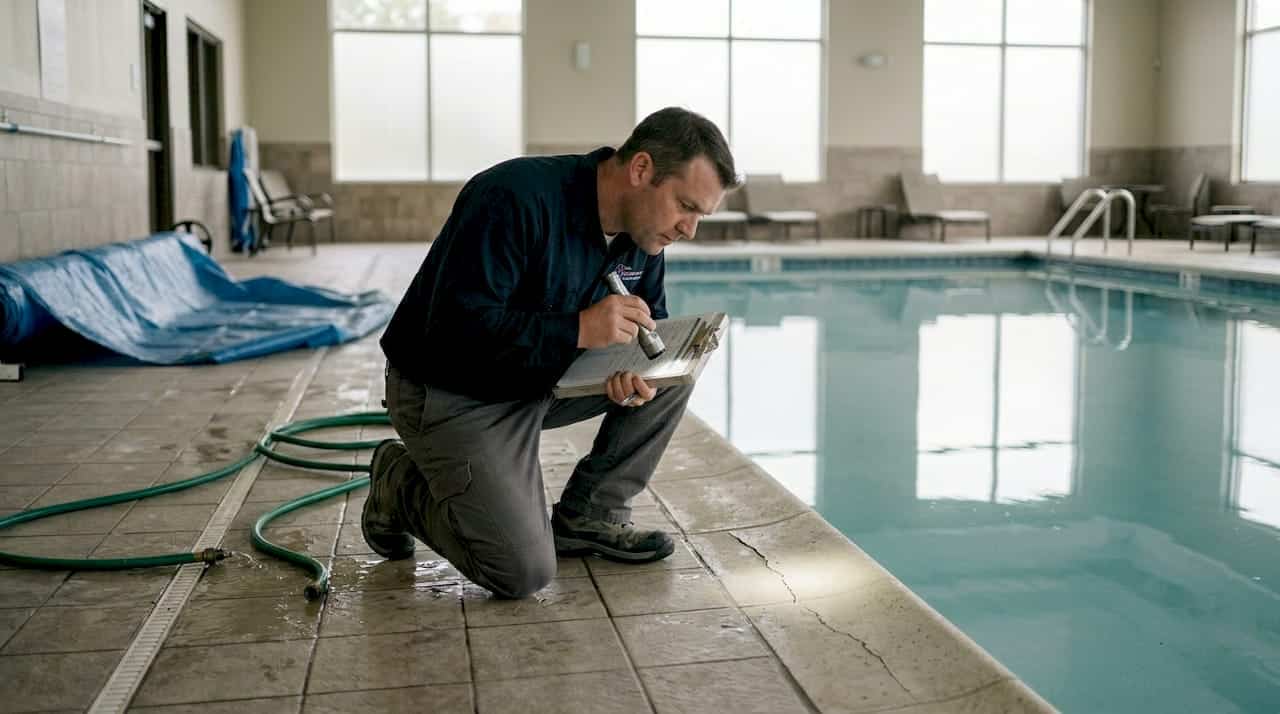
Structural integrity forms the foundation of every safe, functional commercial pool. Poor drainage and waterproofing failures create conditions where water infiltrates concrete, causing hidden corrosion that compromises deck stability and pool shells. Florida’s coastal environment accelerates this deterioration through constant exposure to salt-laden air, which eats away at metal reinforcements beneath seemingly solid surfaces.
Leaks often start small but compound rapidly. A hairline crack in the pool shell allows thousands of gallons to escape monthly, driving up water bills while undermining surrounding soil. Deck surface cracks signal deeper problems, water seeping through joints corrodes rebar and creates voids that eventually collapse under guest weight. These aren’t theoretical risks. Coastal condominiums have documented cases where undetected deck leaks caused catastrophic structural failures, resulting in six-figure repairs and temporary facility closures.
Early detection makes the difference between a manageable repair and a complete renovation. Watch for these warning signs:
- Persistent wet spots on deck surfaces, even during dry weather
- Visible cracks wider than a credit card edge
- Loose or hollow-sounding tiles around pool perimeter
- Unexplained water loss exceeding normal evaporation rates
- Rust stains bleeding through concrete or plaster
Regular professional inspections catch problems before they escalate. Quarterly structural assessments should include underwater camera surveys, deck percussion testing, and moisture mapping to identify hidden damage. Common pool repair examples demonstrate how targeted interventions extend facility lifespan by decades when performed proactively.
| Structural issue | Average repair cost | Consequence if ignored |
|---|---|---|
| Minor shell crack | $800 to $2,000 | Complete shell failure requiring $15,000+ renovation |
| Deck surface repair | $1,500 to $5,000 | Liability claims from slip and fall incidents |
| Leak detection and fix | $1,200 to $3,500 | Soil erosion causing pool settlement and structural collapse |
Pro Tip: Schedule structural inspections immediately after hurricane season. Storm surge and heavy rainfall expose weaknesses in waterproofing systems that might not become obvious until months later, when damage has already spread.
Water quality and chemical balance challenges
Maintaining proper water chemistry in commercial pools requires precision and consistency that far exceeds residential standards. Florida’s climate throws constant curveballs. Intense UV radiation depletes chlorine faster, afternoon thunderstorms dilute chemical concentrations, and high temperatures accelerate algae growth. Add heavy bather loads that introduce oils, lotions, and organic contaminants, and you’re fighting an uphill battle every single day.
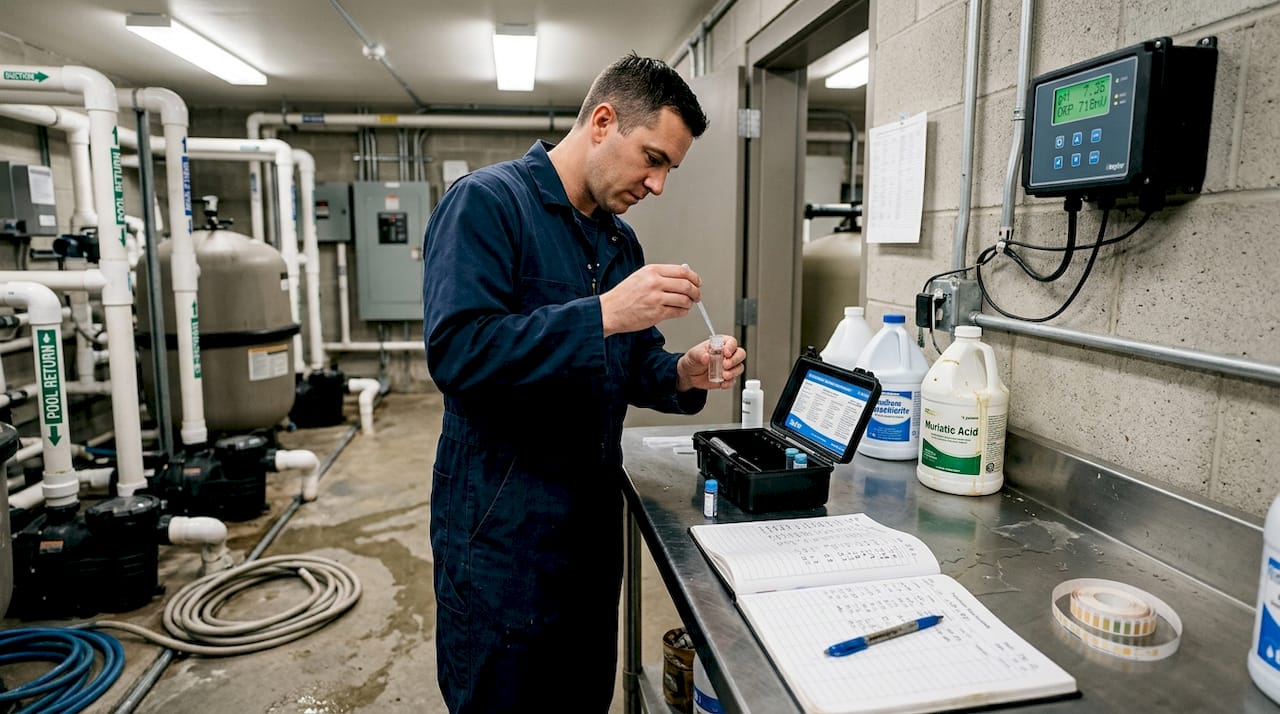
Chemical imbalances create cascading problems. Low chlorine allows bacteria and algae to colonize surfaces within hours, turning crystal clear water into a cloudy health hazard. High pH reduces sanitizer effectiveness while promoting scale buildup on tiles and equipment. Alkalinity swings cause corrosive conditions that etch plaster and damage metal fixtures. Each parameter affects the others, making water chemistry a delicate balancing act.
Daily chemical testing and weekly brushing form the backbone of preventive maintenance. Test pH, chlorine, alkalinity, and cyanuric acid every morning before opening. Brush walls and floors to prevent algae attachment points. Shock the pool weekly to oxidize organic contaminants that regular chlorination misses. These routine tasks prevent the expensive emergency treatments that result from neglect.
Florida commercial pool operators must comply with strict safety regulations, including the Virginia Graeme Baker Pool and Spa Safety Act. This federal law mandates specific drain covers and anti-entrapment systems to prevent drowning incidents. State health departments conduct surprise inspections, and violations can result in immediate closure orders until deficiencies are corrected. Maintaining compliance means documenting every chemical adjustment, equipment check, and maintenance activity in detailed logs.
Storms present unique challenges for water quality management. Heavy rainfall dilutes chemical concentrations while introducing debris, dirt, and organic matter. Post-storm protocols should include:
- Immediate debris removal from pool and filter baskets
- Complete water chemistry retest and rebalancing
- Shock treatment to oxidize storm-introduced contaminants
- Filter backwashing to remove accumulated dirt
- Inspection of chemical feeders and automation systems
Pro Tip: Invest in automated chemical monitoring systems that provide real-time alerts when parameters drift outside acceptable ranges. These systems pay for themselves by preventing the guest complaints, health violations, and emergency chemical corrections that result from manual testing gaps. Proper pool maintenance reduces overall chlorine consumption by maintaining stable chemistry.
Common mechanical and equipment failures
Mechanical systems keep commercial pools operational, but Florida’s environment punishes equipment relentlessly. Pumps, filters, and heaters work harder in hot, humid conditions while exposure to chlorine vapors and salt air accelerates corrosion. Equipment failures don’t just inconvenience guests, they can force facility closures that cost thousands in lost revenue and damage your reputation.
Pump failures top the list of mechanical problems. Worn seals leak water that damages motors, while impeller clogs reduce circulation and filtration effectiveness. Warning signs include unusual noises, reduced water flow at return jets, and visible leaks around the pump housing. Catching these early prevents catastrophic motor burnout that requires complete pump replacement.
Filter problems compromise water quality quickly. Sand filters develop channeling where water bypasses media without proper filtration. Cartridge filters accumulate oils and minerals that reduce flow rates and strain pumps. Diatomaceous earth filters crack grids that allow unfiltered water back into the pool. Regular backwashing, cartridge cleaning, and media replacement maintain filtration efficiency.
Heater malfunctions affect guest comfort and operating costs. Corroded heat exchangers leak, while faulty thermostats cause temperature swings. Gas heaters require annual combustion analysis to ensure safe, efficient operation. Heat pump systems need refrigerant level checks and coil cleaning to maintain performance. Neglected heaters consume more energy while delivering inconsistent results.
Preventive maintenance schedules dramatically reduce unexpected breakdowns:
- Weekly equipment room inspections checking for leaks, unusual sounds, and proper operation
- Monthly filter pressure readings to identify cleaning needs before flow restriction occurs
- Quarterly professional service including motor lubrication, seal inspection, and electrical connection testing
- Annual comprehensive equipment audits with thermal imaging to detect developing problems
- Immediate response to any performance changes rather than waiting for complete failure
Scheduled professional maintenance costs a fraction of emergency repairs. Technicians spot developing issues during routine service calls, allowing planned replacements during off-peak hours instead of mid-day emergencies. Service contracts provide priority response and often include discounted parts, making them smart investments for commercial pools that can’t afford downtime.
Equipment upgrades deliver long-term savings through improved efficiency and reliability. Variable speed pumps reduce energy consumption by 70% compared to single-speed models. Modern automation systems optimize chemical dosing and filtration schedules. Upgrading aging equipment proactively prevents the cascading failures that occur when one component breakdown overloads other systems. Explore commercial pool upgrade ideas that improve both performance and guest experience.
Why professional repairs outweigh DIY fixes for commercial pools
Commercial pool maintenance isn’t a DIY project. The liability, regulatory, and technical complexity of commercial facilities demands certified professionals who understand code requirements and proper repair techniques. DIY quick fixes create dangerous situations that expose property owners to lawsuits, insurance claim denials, and regulatory penalties.
Liability concerns alone justify professional service. When a guest suffers injury due to improper repairs or maintenance, your business faces potential lawsuits that can reach seven figures. Insurance companies scrutinize maintenance records during claim investigations, and evidence of unlicensed work provides grounds for coverage denial. Commercial general liability policies specifically exclude damages resulting from work performed by uncertified individuals.
Certified Pool Operators bring expertise that protects your business:
- Understanding of federal, state, and local pool regulations
- Proper chemical handling and storage procedures
- Knowledge of equipment specifications and compatibility
- Ability to diagnose complex system interactions
- Documentation practices that satisfy regulatory audits
Code compliance isn’t optional. Florida health departments require specific certifications for commercial pool operators. The Virginia Graeme Baker Act mandates particular drain cover specifications and installation methods. Electrical work around pools must meet National Electrical Code requirements for wet locations. Plumbing modifications need permits and inspections. Attempting these repairs without proper credentials violates multiple regulations.
Insurance providers identify chemical-related incidents as the top risk facing pool service companies. Improper chemical mixing causes toxic gas releases. Incorrect storage creates fire hazards. Overdosing burns swimmers while underdosing allows pathogen growth. Professional service companies carry specialized insurance, maintain proper chemical handling certifications, and follow safety protocols that protect both workers and guests.
“Commercial pool repairs require specialized knowledge of hydraulics, chemistry, and safety regulations that most property managers simply don’t possess. The cost of professional service is insignificant compared to the legal exposure and potential tragedy that results from improper repairs.” Industry safety consultant
Professional service delivers tangible benefits beyond liability protection. Warranty coverage on equipment and materials requires installation by licensed contractors. Professionals complete repairs faster with proper tools and parts inventory. Their work passes inspection, avoiding the costly do-overs that result from failed DIY attempts. While a DIY pool crack repair guide might help residential owners, commercial facilities need certified expertise.
Maintain your commercial pool with expert help from Classic Marcite

Commercial pool maintenance demands expertise that goes beyond routine cleaning and chemical balancing. When structural issues, surface deterioration, or equipment failures threaten your facility’s operation, you need specialists who understand the unique demands of commercial properties in Florida’s challenging environment.
Classic Marcite has resurfaced over 100,000 pools since 1988, including commercial facilities for resorts, hotels, and property management companies throughout Central Florida. Our commercial pool finish options deliver durability that withstands heavy use while maintaining the aesthetic appeal that impresses guests. We handle everything from minor repairs to complete renovations, ensuring your pool meets Florida safety standards while maximizing its lifespan.
Our team understands the operational pressures commercial properties face. We work efficiently to minimize downtime, coordinate with your schedule to reduce guest impact, and provide detailed documentation that satisfies insurance and regulatory requirements. Whether you need pool resurfacing to address deteriorating surfaces or comprehensive pool repair service to fix structural problems, we deliver solutions that protect your investment and keep your facility operating safely.
Frequently asked questions
What causes common commercial pool leaks?
Poor waterproofing and inadequate drainage around pool structures create conditions where water penetrates concrete and causes hidden corrosion. Florida’s salt air accelerates deterioration of metal reinforcements, leading to cracks and structural failures. Regular inspections identify vulnerable areas before minor leaks become major problems requiring expensive repairs.
How often should commercial pools be chemically tested?
Daily chemical testing is essential for maintaining safe water quality and regulatory compliance in commercial facilities. Test pH, chlorine, alkalinity, and stabilizer levels every morning before opening to guests. Consistent monitoring prevents health violations, guest complaints, and costly emergency treatments. Automated monitoring systems provide real-time alerts when chemistry drifts outside acceptable ranges, offering additional protection between manual tests. Proper maintenance protocols reduce chemical consumption while maintaining water quality.
Why are professional repairs preferred over DIY for commercial pools?
DIY repairs create liability risks and often violate building codes, potentially voiding insurance coverage when accidents occur. Certified professionals understand federal regulations like the VGB Act, state health codes, and proper installation techniques that protect guests and businesses. Licensed contractors provide warranty coverage, complete work that passes inspections, and carry specialized insurance that protects property owners from claims. While residential DIY repairs might be appropriate for homeowners, commercial facilities require professional expertise to manage complex liability and regulatory requirements.