TL;DR:
- Ensuring slip-resistant pool decks is crucial for safety and longevity in Florida’s humid climate. Regular inspections, proper maintenance, and selecting textured, UV-resistant materials provide lasting traction and aesthetic appeal. Proper upkeep combined with high-quality finishes reduces hazards, enhances property value, and offers peace of mind.
Your pool deck might look perfectly fine right now, but that smooth concrete surface becomes a very different story the moment wet feet start running across it. Many homeowners in Orlando and Jacksonville assume that any pool deck is good enough, but the reality is that your local climate, the materials underfoot, and how well you maintain the surface are what truly determine whether your backyard is safe or an accident waiting to happen. Getting this right protects your family and adds real, lasting value to your home.
Table of Contents
- Why pool deck slip resistance matters for homeowners
- Choosing the right non-slip pool deck materials and finishes
- Maintaining optimal slip resistance: Preventing wear and hazards
- Boosting home value and aesthetics with non-slip pool decks
- What most homeowners overlook about pool deck safety
- Explore resilient, stylish pool deck solutions with Classic Marcite
- Frequently asked questions
Key Takeaways
| Point | Details |
|---|---|
| Safety first | Non-slip pool decks are essential to preventing slips and injuries in Florida homes. |
| Material matters | Choosing finishes with high wet-traction, drainage, and durability is critical for long-term performance. |
| Maintenance is crucial | Regular inspections and sealing keep decks safe and beautiful despite Florida’s harsh climate. |
| Aesthetic value | Non-slip decks boost home appearance and resale value while ensuring peace of mind. |
Why pool deck slip resistance matters for homeowners
Now that we’ve challenged assumptions about deck safety, let’s dig deeper into why slip resistance is such a critical issue in Florida pool environments.
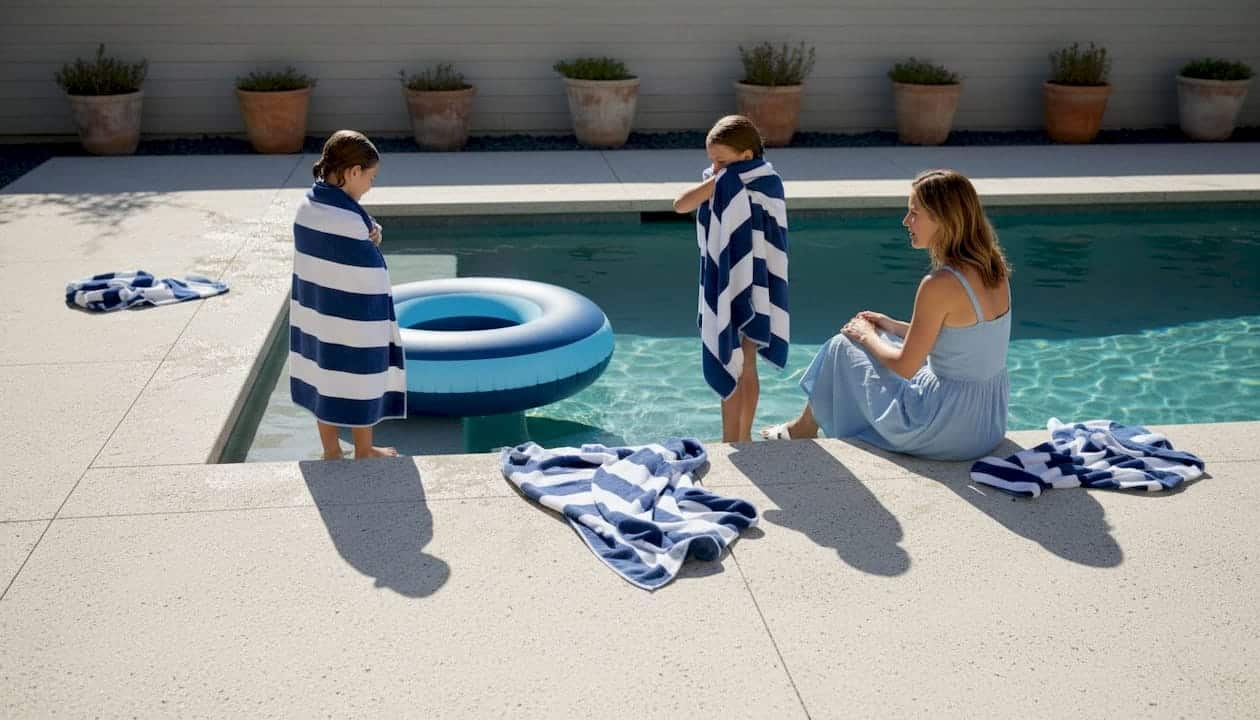
Slippery pool decks rank among the most common causes of home pool accidents. Water, bare feet, and a smooth surface are a dangerous combination, and Florida’s high humidity makes that problem worse. When you add the constant splash zones around a pool edge, you have conditions that demand purpose-built materials, not just whatever came with the house.
Non-slip surfaces do something beyond preventing falls. They give your family real peace of mind. Kids can run (as kids always will), guests can walk barefoot without hesitation, and you stop holding your breath every time someone rushes back from the pool to grab a towel. That confidence is worth a great deal, and it starts with choosing a surface that was designed for wet conditions.
Long-term slip resistance is not simply a product feature you purchase once. It depends on how you care for the surface over time. In Orlando and Jacksonville, you face a specific combination of challenges: intense UV exposure that breaks down coatings, year-round humidity that encourages algae and mildew growth, and heavy rainfall that keeps decks wet longer than in drier climates. These factors mean that a coating or finish that performs well in Arizona may degrade much faster here in Florida.
As noted in research on pool deck defects during inspections, finishes that become slippery as they age through wear, fading, algae, mildew, or improper sealing can negate initial safety gains. This makes maintenance and inspection frequency especially critical in Jacksonville and Orlando climates.
This point matters more than most homeowners realize. You can install the best non-slip surface on the market today and still end up with a hazardous deck three years from now if you skip the upkeep. Exploring the right pool deck coating Florida options for your specific conditions is a smart first step before committing to any material.
Key risks that Florida pool decks face on a daily basis include:
- Algae and mildew growth from constant moisture and warm temperatures
- UV-related fading and coating breakdown that smooths out textured surfaces
- Chemical exposure from pool water and cleaning products
- Heavy foot traffic from frequent pool use during warm months
- Freeze-thaw cycles, though mild in Florida, still stress some surface materials
Choosing the right non-slip pool deck materials and finishes
Safety risks are clear, but not all non-slip solutions are created equal. Let’s compare the best materials and finishes available for Florida decks.
When evaluating any pool deck surface, your starting point should always be the coefficient of friction (COF). COF is simply a measurement of how much grip a surface provides when wet. A higher COF means better traction. According to best non-slip surfacing materials for pool areas, the right methodology for selecting resurfacing or finishes is to prioritize wet-traction performance using COF as the primary measure, then verify drainage to prevent puddling, and check UV and chemical durability before finalizing any choice.
After COF, drainage is your next concern. Surfaces that hold standing water become slippery fast, even if they started with excellent traction. Good drainage design works with your material choice to keep the walking surface as dry as possible between splashes. UV resistance matters because Florida sun is relentless, and a coating that fades, chalks, or becomes brittle after a single summer is not a sound investment.
Here is how the most popular Florida pool deck options compare:
| Material | Wet COF | UV resistance | Maintenance level | Typical lifespan |
|---|---|---|---|---|
| Textured concrete | High | Good with sealing | Moderate | 10 to 20 years |
| Rubberized coating | Very high | Moderate | Low | 5 to 10 years |
| Pebbled finish | High | Excellent | Low to moderate | 15 to 25 years |
| Stamped concrete | Moderate | Good with sealing | Moderate to high | 10 to 15 years |
| Plain broom-finish concrete | Low to moderate | Poor without sealing | High | 5 to 15 years |
Pebbled finishes, like those using Pebble Tec®, consistently rank at the top for Florida conditions because the natural stone texture maintains grip even as the surface ages. The stones themselves do not smooth out the way painted or coated surfaces do, which means traction performance holds up far better over time.
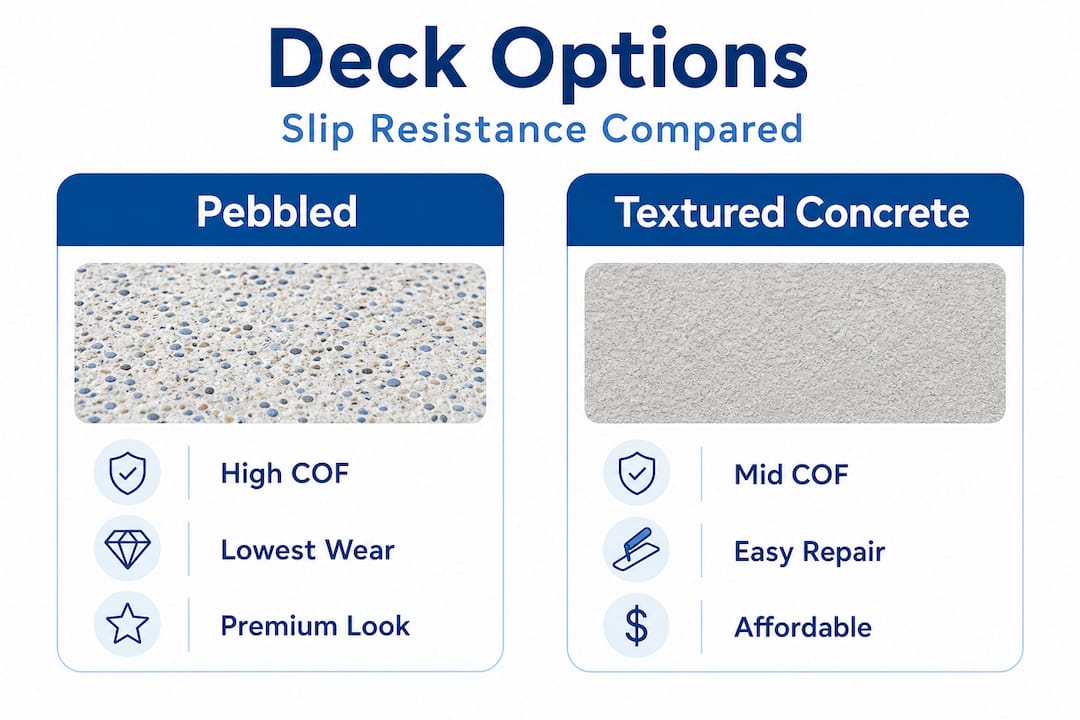
Textured concrete is a solid mid-range option that is widely available and reasonably affordable. The critical qualifier is that it must be properly sealed and resealed on schedule. Rubberized coatings offer excellent initial grip and are forgiving underfoot, making them a popular choice for pool areas used heavily by children or older adults.
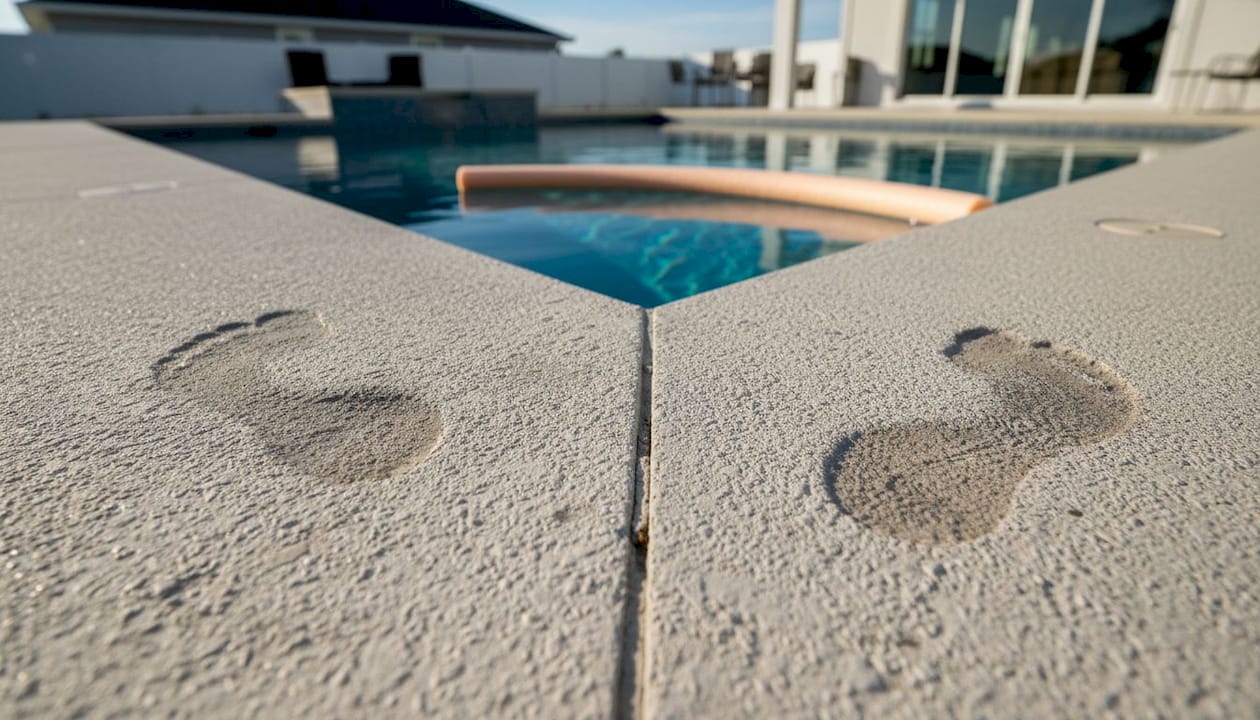
Pro Tip: When comparing quotes from contractors, ask them to specify the wet COF rating of any material they propose. If a contractor cannot provide that number, that tells you something important about their knowledge level.
For a detailed breakdown of material properties, reviewing best pool resurfacing materials gives you a solid foundation. When you are ready to plan the actual work, understanding pool deck resurfacing steps helps you know what to expect from the process. You can also find an overview of what deck resurfacing explained looks like for Florida properties specifically.
Maintaining optimal slip resistance: Preventing wear and hazards
You’ve chosen the right materials, but how do you ensure your deck stays safe and beautiful over time?
The most common mistake Florida homeowners make is treating pool deck maintenance as optional. They spend money on a quality resurfacing job, feel satisfied, and then let the deck coast for years without any structured care. By the time problems become visible, like staining, cracked sealant, or algae patches, the slip resistance has already been compromised.
Florida’s climate creates a maintenance schedule that is genuinely more demanding than what homeowners in northern states deal with. Here is the core routine that keeps decks safe and looking great:
- Inspect the deck surface every season. Walk the full perimeter looking for cracks, lifting edges, faded sections, or any dark spots that indicate algae or mildew starting to take hold.
- Clean the deck monthly during heavy-use months. Use a mild detergent and a stiff-bristle brush rather than a high-pressure washer, which can erode textured surfaces over time.
- Treat any algae or mildew immediately. Use a diluted bleach solution or a pool-safe algae cleaner. Left untreated, algae dramatically reduces traction and spreads quickly in warm conditions.
- Reseal the deck annually or as the manufacturer recommends. Sealant is the layer that protects the surface below from water intrusion, UV damage, and chemical staining. Once it breaks down, everything underneath follows.
- Check grout lines and tile edges around the pool perimeter. These areas collect water and organic debris, and small cracks can become major structural issues within a single Florida rainy season.
Research on pool deck defects during inspections confirms that finishes which lose their anti-slip properties through aging, mildew, or missed resealing are a significant safety hazard, particularly in the humid climates of Jacksonville and Orlando.
Pro Tip: Take photos of your deck every six months from the same angles. Comparing images over time makes it easy to spot gradual changes like fading or texture loss that you might not notice week to week.
You can find practical guidance on pool deck maintenance tips specific to Florida conditions. For the sealing part of your routine, understanding proper deck sealing methods will help you do the job correctly or know what to look for when hiring someone. To keep the entire pool system performing well, learning about maintaining pool finish year-round rounds out your approach.
Boosting home value and aesthetics with non-slip pool decks
Safety and function are crucial, but non-slip pool decks also transform your poolside’s look and increase your property’s value.
The financial case for a quality pool deck upgrade is straightforward. Pools are major selling points in Florida’s real estate market, and a worn, slippery, or visually outdated deck detracts from that value just as much as a cracked pool interior does. A resurfaced deck with modern texture and color immediately elevates the visual presentation of your entire backyard.
Beyond resale, there is the liability question. A slip-and-fall accident on your property can expose you to significant financial risk. Homeowner’s insurance covers some liability, but prevention is always cheaper and less disruptive than a claim. Installing and maintaining a high-quality non-slip surface is one of the most practical steps you can take to protect yourself.
Today’s non-slip finishes offer design options that would have been hard to imagine even ten years ago. Modern pool deck materials now come in a wide range of colors, textures, and patterns that can match any architectural style from classic Florida ranch homes to contemporary resort-style properties.
| Design option | Visual effect | Functional benefit |
|---|---|---|
| Exposed aggregate or pebbled | Natural, organic texture | Excellent long-term traction |
| Stamped concrete with non-slip additive | Elegant stone or tile look | Good traction when properly sealed |
| Rubberized coating in earth tones | Clean, modern finish | Comfort and high traction |
| Travertine-style overlay | Upscale resort appearance | Good drainage and moderate traction |
Key benefits Florida homeowners report after upgrading their pool deck surfaces include:
- Increased buyer interest when listing the home for sale
- Higher rental rates for vacation properties with attractive pool areas
- Reduced insurance claims and fewer accident-related concerns
- Extended usable pool season because the deck is more comfortable underfoot
- Lower long-term maintenance costs compared to deteriorating original surfaces
Browsing the residential pools gallery shows real before-and-after results from Florida homes, which makes the transformation much more tangible than any description alone. Selecting a finish based on wet-traction performance data ensures your aesthetic upgrade is also a safety upgrade.
What most homeowners overlook about pool deck safety
Here is a candid observation from years working on pool deck projects across Florida. The overwhelming majority of homeowners treat slip resistance as a one-time checkbox. They assume that once a non-slip finish is applied, the deck will remain safe indefinitely. That assumption is wrong, and it is the source of most of the preventable accidents and costly repairs we see.
Florida’s environment works against pool deck finishes in ways that are slow, cumulative, and easy to ignore. The same afternoon sun that makes your pool so enjoyable is also degrading the sealant and texture on your deck every single day. Algae that looks like a faint green tint in the corner of your deck on Monday can cover a full six-foot section by Friday during summer months. These are not slow problems. They accelerate quickly once they start.
The conventional advice is “install a good surface and you’ll be fine.” What experience actually shows is that Florida pool deck maintenance schedules are just as important as the initial material choice. In fact, a well-maintained mid-range surface will outperform a premium surface that has been neglected for several years. As confirmed by inspection data on pool deck defects, aging, algae, and failed sealant are the most common paths from a safe deck to a hazardous one.
The practical takeaway is this: budget for ongoing care when you budget for your deck upgrade. If the resurfacing cost is the only number you track, you are setting yourself up for a safety problem down the road. Seasonal inspections, annual resealing, and prompt treatment of any biological growth are the real cost of owning a safe pool deck in Orlando or Jacksonville. That is not extra work. It is just the honest reality of living in a climate this demanding on outdoor surfaces.
Explore resilient, stylish pool deck solutions with Classic Marcite
Ready to upgrade your pool deck and make your backyard safer and more beautiful? Here are some local options to get started.
At Classic Marcite, we have been resurfacing pools across Orlando and Jacksonville since 1988, with over 100,000 pools completed across residential, commercial, and resort properties. We know exactly how Florida’s humidity, UV intensity, and rain patterns affect pool deck surfaces, and we match every homeowner with materials and finishes that perform well in those specific conditions.

Whether you are starting from scratch with a new deck finish or need to address a surface that has lost its traction and visual appeal, our team provides solutions built to last. Learn more about pool resurfacing basics to understand what is involved, or explore Orlando pool remodeling options if your project goes beyond just the deck surface. Contact us today for a free estimate and see what a properly surfaced pool deck can do for your home’s safety, style, and value.
Frequently asked questions
What makes a pool deck non-slip?
Non-slip pool decks rely on textured materials, coatings, and finishes that increase surface friction when wet. Selecting surfaces with a high wet-traction COF rating combined with good drainage design is the proven standard for pool safety.
Do non-slip finishes wear out over time?
Yes, and in Florida the process happens faster than most homeowners expect. Sun exposure, moisture, and foot traffic all reduce traction over time, and as inspection data confirms, missed resealing and algae growth are the most common causes of a non-slip surface becoming hazardous.
What is the best non-slip material for Florida pool decks?
Pebbled finishes, textured concrete, and rubberized coatings all perform well in Florida. The best choice depends on your budget, design preference, and maintenance capacity. Prioritizing wet COF performance alongside UV and chemical resistance narrows the field to the most practical options for this climate.
How often should I inspect or maintain my pool deck?
Inspect your deck at least once per season, and plan for a thorough cleaning and resealing annually. In high-use or heavily shaded areas, inspection frequency may need to increase because algae and wear develop faster in those conditions.