TL;DR:
- Aggregate pool finishes last longer and resist stains better than traditional plaster.
- Proper installation and maintenance are crucial for maximizing aggregate finish durability.
- Homeowners should choose finishes based on their design goals, usage, and local environment.
Most pool owners assume that once you’ve seen one pool surface, you’ve seen them all. Plain white plaster has been the default for decades, but it’s no longer the only option—or even the best one. Aggregate pool finishes have quietly become the preferred choice for homeowners across Orlando and Jacksonville who want a surface that lasts longer, looks sharper, and requires less frustration over time. This guide breaks down exactly what aggregate pool finish is, how it compares to standard plaster, how to maintain it, and how to choose the right type for your pool renovation.
Table of Contents
- What is aggregate pool finish?
- Aggregate pool finish vs. plaster: Key differences
- Maintenance tips for aggregate pool finishes
- Choosing the right aggregate finish for your pool
- A professional perspective: What most guides miss about aggregate pool finishes
- Enhance your pool with expert aggregate finishes
- Frequently asked questions
Key Takeaways
| Point | Details |
|---|---|
| Aggregate is durable | Aggregate pool finishes last longer and resist stains and etching better than plaster. |
| Maintenance is simple | Routine brushing and balanced pool chemistry keep aggregate finishes looking great. |
| Expert installation matters | Proper installation and gentle startup methods ensure the finish’s longevity. |
| Choose for style and performance | Aggregate finishes offer unique colors, textures, and superior long-term value for Florida homes. |
What is aggregate pool finish?
Aggregate pool finish is a surface material made by combining cement with small stones, pebbles, quartz crystals, or glass beads. Unlike plain plaster, which uses only cement and marble dust, aggregate finishes embed textured particles throughout the surface layer. The result is a pool interior that looks richer, feels more substantial, and stands up better to the wear that Florida pools experience year-round.
There are two main types of aggregate finish worth knowing:
- Exposed aggregate: The surface is acid-washed or pressure-washed after application to reveal the pebble or quartz particles embedded in the cement. This creates a naturally textured, stone-like appearance.
- Polished aggregate: The surface is ground down after curing to create a smooth, refined look that still showcases the color and pattern of the embedded material.
Florida homeowners are drawn to aggregate finishes for a handful of real, practical reasons:
- Color variety: Available in dozens of earth tones, blues, greens, and custom blends that complement Florida landscaping.
- Unique visual depth: The embedded particles catch sunlight differently than flat plaster, giving pool water a more vivid color.
- Longer surface life: Aggregate pool finishes last longer and resist etching better than traditional plaster, which means fewer expensive resurfacing cycles.
- Stain resistance: Pebble and quartz surfaces are less porous than plaster, making them harder for minerals and algae to penetrate.
- Custom design options: Whether you want a tropical look or a sleek, modern finish, aggregate materials can be customized to match your vision.
For homeowners exploring residential pool finishes, aggregate options consistently deliver a combination of visual appeal and functional performance that plain plaster simply cannot match. It’s not just about aesthetics. It’s about getting more years out of your investment without constant repairs or replastering every seven to ten years.
Aggregate pool finish vs. plaster: Key differences
With an understanding of what aggregate finish is, it’s essential to see how it stacks up against the traditional standard—plaster.
Plaster has been the industry default since residential pools became common in the mid-20th century. It’s smooth, relatively affordable upfront, and easy to apply. But it has known weaknesses: it stains easily, etches when pool chemistry fluctuates, and typically needs replacement every 7 to 12 years. Aggregate surfaces address most of these shortcomings directly.
| Feature | Plaster | Aggregate finish |
|---|---|---|
| Average lifespan | 7 to 12 years | 12 to 20+ years |
| Stain resistance | Low to moderate | High |
| Etch resistance | Low | High |
| Color options | Limited | Extensive |
| Surface texture | Smooth | Slightly textured |
| Upfront cost | Lower | Moderate to higher |
| Long-term value | Lower | Higher |
Aggregate is more forgiving than plaster and resists stains and etching, which matters enormously in Florida where pools run year-round and face intense sun, heat, and fluctuating water chemistry. A plaster surface exposed to aggressive chemicals or natural minerals can develop rough patches and discoloration within just a few years.
Homeowner insight: “We replastered our pool twice in 14 years before switching to a pebble aggregate finish. We haven’t had a single staining issue since, and the pool looks better than it ever did with plain plaster.”
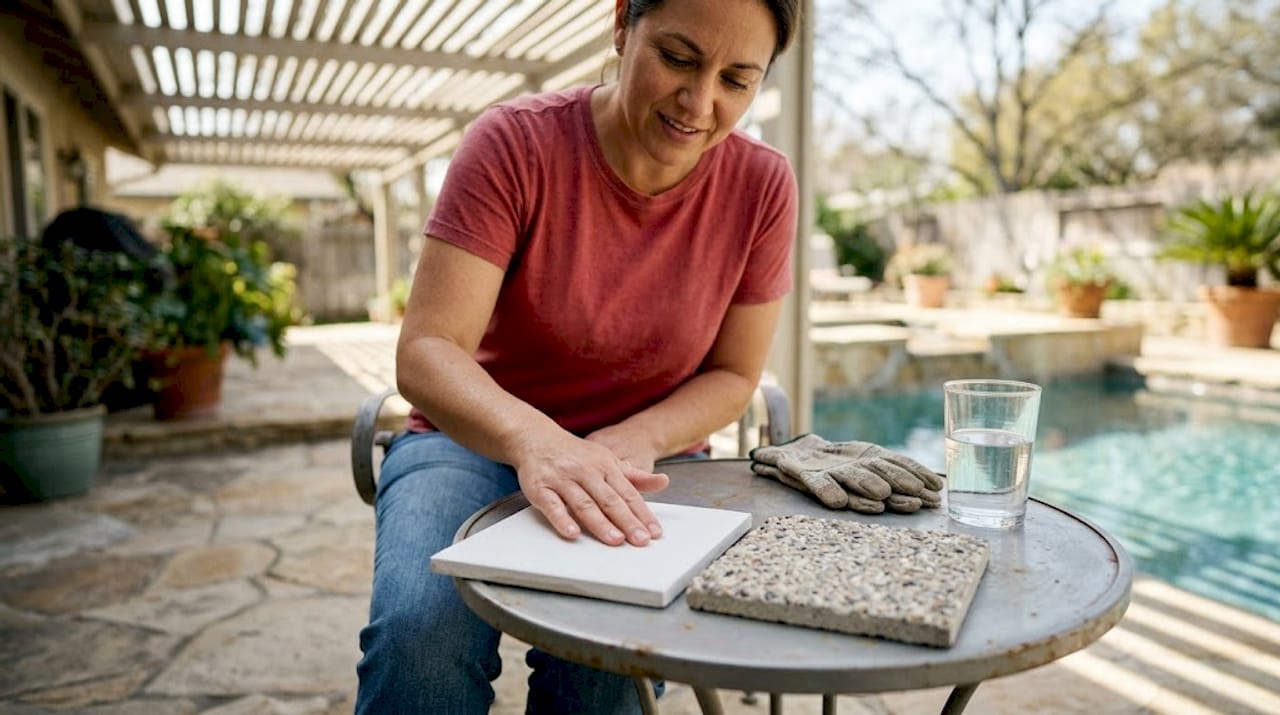
The textured feel of aggregate is another factor worth noting. Some homeowners assume the rougher surface will be uncomfortable, but in practice, the texture varies significantly by material and installation quality. Polished aggregate finishes, in particular, can feel close to smooth while still offering better grip than traditional plaster. Understanding pool plaster basics helps clarify why aggregate almost always wins on long-term cost and performance when you factor in fewer resurfacing cycles.
Maintenance tips for aggregate pool finishes
After weighing the pros and cons, homeowners ready to enjoy aggregate finishes should know how to keep them looking great year after year.
Aggregate finishes are more forgiving than plaster, but they aren’t maintenance-free. The textured surface, while beautiful, can trap fine debris and algae spores if neglected. The good news is that routine upkeep is straightforward and doesn’t require special equipment.
Here are the essential maintenance habits to build:
- Brush the surface weekly: Use a nylon-bristle brush to sweep the pool walls and floor. This prevents algae from taking hold in the textured surface and keeps the finish looking clean.
- Test and balance chemistry regularly: Weekly brushing and balanced pool chemistry help prevent algae and maintain surface quality. Aim for a pH between 7.4 and 7.6, alkalinity between 80 and 120 ppm, and calcium hardness between 200 and 400 ppm.
- Avoid aggressive acid treatments on new surfaces: When breaking in a fresh aggregate finish, skip the acid startup method. It can etch the surface and reduce the lifespan of your finish before it’s even fully cured.
- Keep up with calcium levels: Florida’s water supply can be aggressive toward pool surfaces. High or low calcium hardness causes surface breakdown over time.
- Run the pump and filter consistently: Proper water circulation prevents chemical imbalances from settling against the surface.
Pro Tip: For new aggregate finishes, use a bicarb startup method instead of an acid wash. This gently raises pH and total alkalinity without the risk of surface damage. Check out this guide on maintaining pool surfaces for a complete breakdown of the process.
For a deeper look at what to do right after a new installation, the pool resurfacing maintenance essentials guide covers every critical step to protect your investment from day one.
Choosing the right aggregate finish for your pool
Maintaining your pool’s surface is key, but first, you need to select the right finish that matches your Florida lifestyle and design vision.
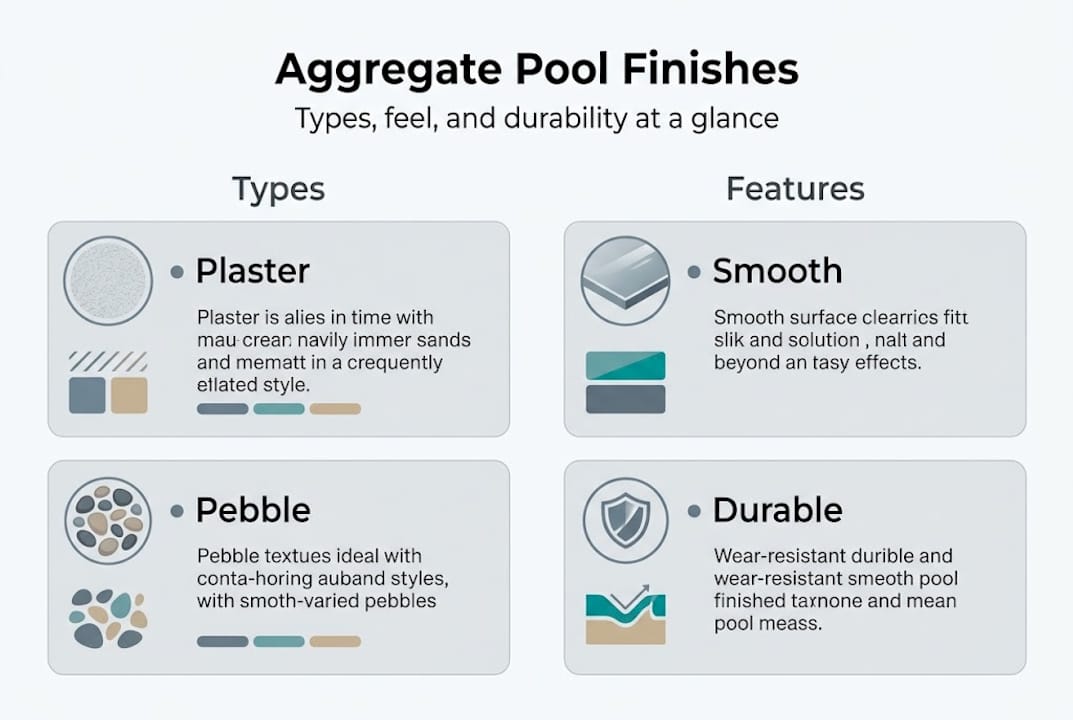
Not all aggregate finishes are created equal. The three most common types each bring different strengths to the table:
| Finish type | Best for | Feel | Typical cost |
|---|---|---|---|
| Pebble aggregate | Durability and natural look | Slightly textured | Moderate to high |
| Quartz aggregate | Color consistency and value | Smooth to slightly textured | Moderate |
| Glass bead aggregate | Vibrant color and shimmer | Smooth | Higher |
Proper troweling exposes aggregate while avoiding etching and increases surface longevity, which means the quality of installation is just as important as the material itself. Even the best pebble finish will underperform if it’s not applied correctly.
Follow these steps to make a confident decision:
- Define your goals. Do you prioritize durability, visual impact, or budget? Write it down before you start shopping.
- Request physical samples. Colors on a screen look different from how they appear under Florida sunlight and water.
- Consider your pool’s use patterns. High-traffic pools with kids and pets benefit from textured pebble surfaces that offer better grip. A showpiece pool used for relaxation may suit polished glass beads.
- Evaluate sun exposure. Darker finishes absorb more heat, which affects both comfort and water temperature. Lighter finishes keep the water cooler.
- Confirm maintenance requirements. Ask your installer what routine care each finish type needs so you can factor that into your decision.
- Consult a local specialist. Florida’s specific water chemistry and climate conditions make local expertise invaluable.
For broader guidance on protecting your investment, review maintenance tips for Florida pools and understand the steps involved in pool resurfacing preparation before any work begins.
A professional perspective: What most guides miss about aggregate pool finishes
Most articles about aggregate finishes focus on materials and colors. That’s useful, but it misses the variable that matters most: who installs it and how well they understand your specific pool environment.
Having worked on pools across Orlando and Jacksonville for decades, we’ve seen beautiful aggregate materials fail prematurely because of rushed application, wrong startup methods, or finishes chosen without considering local water chemistry. Florida isn’t a forgiving environment. Intense UV exposure, year-round use, and naturally hard water in many areas create stress on pool surfaces that less experienced installers don’t fully account for.
The homeowners who get the most out of their aggregate finish aren’t necessarily the ones who spent the most. They’re the ones who worked with a specialist who selected the right material for their specific conditions, applied it correctly, and provided clear startup guidance. Reviewing best pool resurfacing materials can help you ask sharper questions when evaluating contractors. The upfront investment in skilled application pays back in years of trouble-free enjoyment and significantly lower long-term costs.
Enhance your pool with expert aggregate finishes
Ready to put your knowledge into action? Here’s how Classic Marcite can help you achieve lasting beauty and value with the right aggregate finish.
Classic Marcite has resurfaced over 100,000 pools across Central Florida since 1988, and we’re the largest Pebble Tec® applicator in the region. We help homeowners in Orlando and Jacksonville select and install aggregate finishes that match their design goals and stand up to Florida’s demanding conditions.

Whether you’re focused on boosting pool durability, exploring long-lasting Pebble Tec options, or comparing best finish types for Florida, our team brings the hands-on experience to make your renovation a success. Contact us today for a free estimate and see what the right aggregate finish can do for your pool.
Frequently asked questions
How long does aggregate pool finish last compared to plaster?
Aggregate finishes last longer than plaster due to improved stain and etch resistance, typically lasting 12 to 20 years compared to 7 to 12 years for standard plaster.
What maintenance does an aggregate pool finish require?
Weekly brushing and balanced chemistry are essential for keeping aggregate finish in good shape, along with consistent attention to pH, alkalinity, and calcium hardness levels.
Can I do an acid wash on my new aggregate pool finish?
It’s best to avoid acid startup on aggregate; use bicarb or gentle methods instead to prevent surface etching on a newly installed finish.
Does aggregate pool finish feel rough?
Aggregate finishes can feel slightly textured underfoot, but polished aggregate options and high-quality installation can produce a surface that feels much smoother than exposed pebble styles.