TL;DR:
- Durable porcelain tiles are ideal for Florida pools due to their resistance to UV, heat, and chemicals.
- Proper installation and surface prep are crucial to prevent tile failure, with 60% linked to inadequate groundwork.
- Regular professional inspections and maintenance extend tile lifespan and ensure safety and aesthetic appeal.
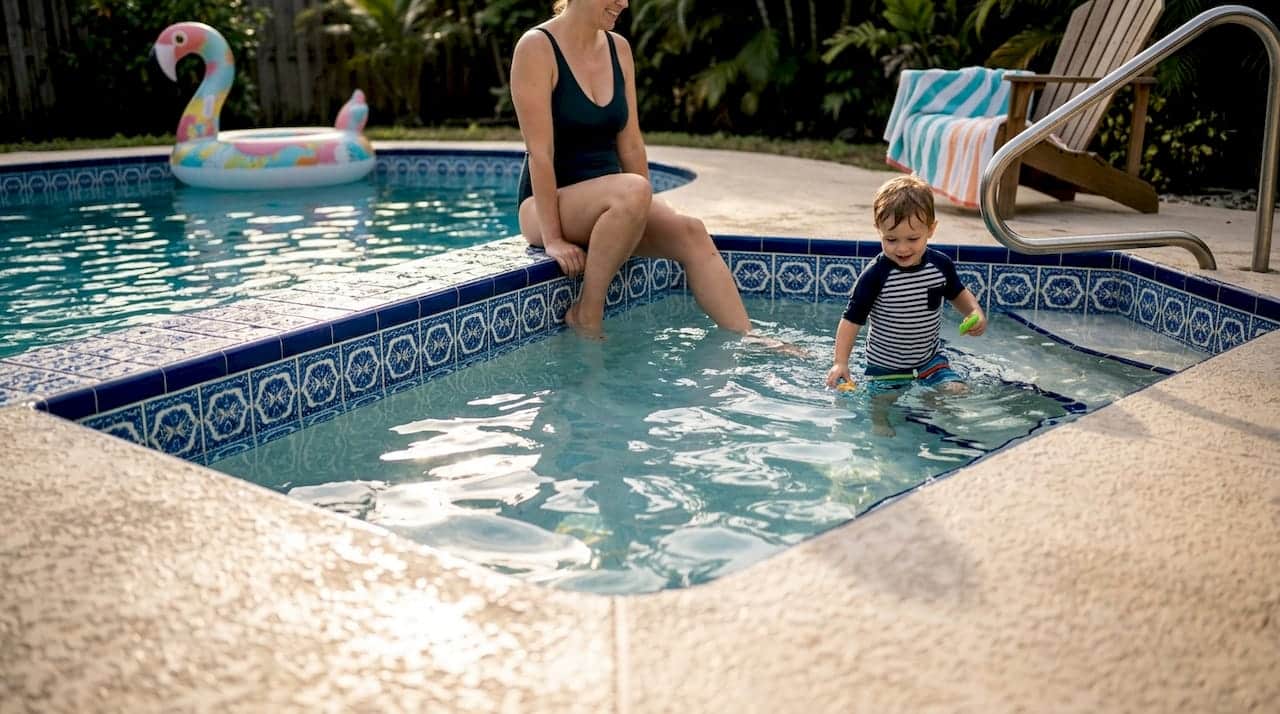
Choosing pool tiles in Florida is not just about picking a color you like. The sun is intense, the humidity is relentless, and your pool is in use year-round. Tiles that look beautiful in a showroom can crack, fade, or become dangerously slippery within a couple of seasons if they are not built for the Florida climate. Whether your pool is in Orlando or Jacksonville, you need designs that hold up as well as they look. This article walks you through selection criteria, showcases classic and modern styles, and explains what proper installation and maintenance actually look like in practice.
Table of Contents
- Selection criteria for pool tile designs
- Classic pool tile designs: Timeless looks that last
- Modern and innovative pool tile styles
- Pool tile installation process: Ensuring beauty and durability
- Maintaining and repairing pool tiles for lasting appeal
- What most homeowners miss about pool tile upgrades
- Upgrade your pool with expert tile design and installation
- Frequently asked questions
Key Takeaways
| Point | Details |
|---|---|
| Porcelain tiles lead | Porcelain tile offers outstanding durability, slip resistance, and weather-proof performance ideal for Florida pools. |
| Classic or modern styles | Both traditional and innovative tile designs can boost your pool’s visual appeal and function. |
| Installation quality matters | Professional prep and adherence to industry standards are essential for lasting results. |
| Routine maintenance pays off | Regular cleaning and care help pool tiles stay beautiful and extend their lifespan. |
Selection criteria for pool tile designs
Before you fall in love with a specific look, you need a framework for evaluating whether that tile will actually perform in your backyard. Florida conditions are not forgiving. High UV exposure, humidity, pool chemicals, and heavy foot traffic all work against a tile that was not chosen with durability in mind.
Here are the key criteria to evaluate before making any tile selection:
- Material performance: Porcelain leads the pack for Florida pools. According to porcelain tile durability data, porcelain offers low porosity under 0.5%, compressive strength over 20,000 psi, and strong resistance to UV rays, pool chemicals, and heat. Glass and stone-look options also work well in specific applications.
- Visual style: Think about color depth, texture, mosaic patterns, and whether you want a classic or modern look. Lighter colors make pools feel larger; darker tones create a resort-like depth.
- Slip resistance: Pool surrounds and waterline areas require tiles rated R11 or higher, or compliant with ANSI A326.3 standards. This is not optional, especially if children or older adults use your pool.
- Climate compatibility: Tiles in Florida must handle freeze-thaw cycles (rare but real in northern Florida), intense sun, and constant chemical exposure.
“Porcelain tiles, with their low porosity, high compressive strength, and resistance to UV, chemicals, and heat, have become the industry standard for pool applications in hot, humid climates like Florida’s.”
The benefits of upgrading pool tiles go well beyond looks. Durable tiles reduce long-term repair costs and keep your pool safer.
Pro Tip: Never sacrifice durability for style. The best tile choices blend both. If a tile does not meet slip resistance and UV ratings, move on regardless of how good it looks.
Classic pool tile designs: Timeless looks that last
Traditional tile designs remain popular in Florida for good reason. They are familiar, easy to coordinate with landscaping and decking, and they have a proven performance track record. Here are the three most requested classic styles from homeowners in Orlando and Jacksonville.
- Blue mosaic tiles: These small, vibrant tiles enhance the natural blue tone of pool water, hide minor staining between cleanings, and give pools a timeless Mediterranean feel. They work well for full-surface coverage or as accent bands.
- Stone-look porcelain tiles: These tiles deliver the warmth and texture of natural stone without the high maintenance. Because they are made from porcelain, they carry the low porosity and durability that Florida conditions demand, unlike genuine stone which absorbs water and stains over time.
- Decorative waterline tiles: A band of decorative tile running along the waterline adds structure and visual interest without a full retile. Jacksonville and Orlando remodels frequently use contrasting waterline bands to update an older pool at a lower cost.
You can browse real examples from completed projects in our residential pool gallery to get a better sense of how these looks translate in actual Florida backyards. For a broader look at finish combinations, the pool finish examples page shows how tiles pair with different interior surface materials.
Classic designs tend to age well because they are rooted in proportion and color harmony rather than trend cycles. A blue mosaic pool built in 2010 still looks intentional today. That staying power matters when you are making a long-term investment in your property.
Pro Tip: For steps, entry points, and shallow ledges, always choose a slip-resistant finish rated R11 or higher. These are the highest-traffic areas and the most important places to prioritize safety over aesthetics.
Modern and innovative pool tile styles
If your goal is a pool that feels like a boutique resort, modern tile styles give you the tools to get there. These options go beyond the traditional blue-on-white palette and open up a range of bold, customized looks.
- Glass mosaic tiles: These deliver saturated, luminous color that shifts with the light throughout the day. They have high UV resistance and create a premium feel that photographs beautifully.
- Geometric and metallic-look tiles: Large-format geometric patterns or tiles with a subtle metallic finish make a strong design statement. They work especially well in contemporary or minimalist pool designs.
- Eco-friendly options: Recycled glass tiles and sustainable ceramic products are increasingly available for homeowners who want performance without the environmental footprint.
Here is a side-by-side comparison of common modern tile types:
| Tile type | UV resistance | Porosity | Slip rating | Best use |
|---|---|---|---|---|
| Glass mosaic | High | Very low | Moderate | Full surface, accents |
| Geometric porcelain | High | Under 0.5% | R11+ available | Steps, full surface |
| Metallic-look ceramic | Moderate | Low | Varies | Accent bands, features |
| Recycled glass | High | Very low | Moderate | Eco-focused projects |
For homeowners tracking Florida pool design trends, glass and large-format porcelain continue to dominate 2026 remodels. Porcelain tiles remain the performance benchmark with compressive strength over 20,000 psi, while glass tiles offer the best color payoff for accent applications. If you are planning a broader renovation, the remodeling ideas page covers how tile choices fit into the bigger picture.
Pool tile installation process: Ensuring beauty and durability
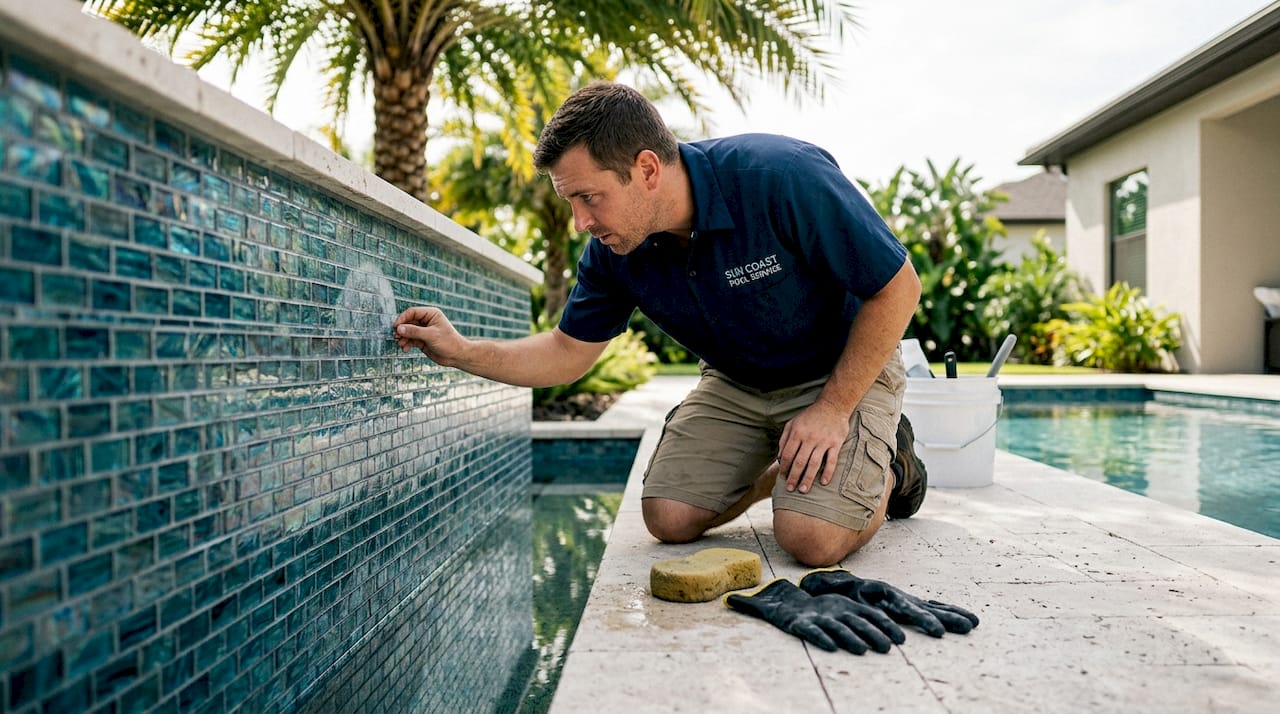
Even the most beautiful and durable tile will fail if it is not installed correctly. This is one of the most overlooked factors in pool remodeling decisions. Here is how a proper tile installation should unfold:
- Surface preparation: Remove existing plaster to a depth of about 3/8 inch. Acid wash the substrate, then neutralize it thoroughly. This step alone determines whether your tile will bond properly.
- Waterproof adhesive application: Use a notched trowel to apply a waterproof adhesive with full coverage. Avoid “spot bonding,” where adhesive is applied only at corners or in dabs. Full coverage prevents water infiltration behind the tile.
- Tile setting: Set each tile firmly into the adhesive bed, pressing evenly to eliminate air pockets.
- Grouting: Use sanded, waterproof grout designed for pool environments. Allow a minimum 48-hour cure time before the pool is filled.
- Final inspection: Check for hollow spots, lippage between tiles, and any gaps that could allow water movement behind the surface.
Following this pool tile installation process to ANSI/TCNA standards is not optional if you want lasting results. The numbers back this up clearly.
“About 60% of tile failures trace back to inadequate surface preparation, not the tile itself. Professional prep is the single biggest factor in long-term performance.”
For a full walkthrough of the renovation sequence, the pool remodeling step-by-step guide explains how installation fits into the broader project timeline.
Maintaining and repairing pool tiles for lasting appeal
Once your tiles are installed and looking sharp, the work is not over. Florida’s climate creates specific maintenance challenges that can shorten the life of even the best tiles if ignored.
Here is what a solid tile maintenance routine looks like:
- Weekly brushing: Brush tile surfaces to prevent calcium scale and algae from taking hold. Scale is especially common in Central Florida due to hard water.
- Monthly chemical checks: Keep pool chemistry balanced. High pH and low sanitizer levels accelerate staining and grout deterioration.
- Annual grout inspection: Look for cracks, discoloration, or soft spots. Resealing grout lines every few years prevents water from penetrating behind tiles.
- Prompt crack repair: A single cracked tile left unaddressed can allow water behind the surface, loosening neighboring tiles and compounding the damage quickly.
For detailed guidance on ongoing care, the maintain pool surface resource covers both tile and interior finish upkeep. For smaller repairs, the DIY pool tile repair guide helps with straightforward fixes. For pools that have recently been resurfaced, post-resurfacing maintenance steps are different and worth reviewing separately.
Pro Tip: Schedule a professional tile and surface review every 2 to 3 years. Catching a small grout failure or shifting tile early costs far less than a full retile later.
What most homeowners miss about pool tile upgrades
Here is the honest take: most homeowners spend 90% of their decision-making energy on which tile looks best and about 10% on everything else. That ratio needs to flip.
Florida’s climate is genuinely unforgiving. Tiles that were not rated for UV exposure will fade. Grout that was not fully cured will crack by the second season. And a surface that was not properly prepped before installation will start showing failures within a year, regardless of how premium the tile was.
The pool tile upgrade benefits are real, but only if the work is done right from the start. With 60% of failures linked to poor preparation, the most important question you can ask a contractor is not “What tile do you recommend?” It is “What is your surface prep process and which ANSI/TCNA standards do you follow?”
Beauty is maintained through proper care, not just through the initial tile selection. Use the remodeling guide to understand what a properly managed project looks like from start to finish.
Pro Tip: Always ask potential contractors to walk you through their surface prep steps and confirm their process aligns with ANSI/TCNA standards before signing anything.
Upgrade your pool with expert tile design and installation
At Classic Marcite, we have resurfaced over 100,000 pools across Florida since 1988, and we know firsthand how much the right tile choice and the right installation process can transform a pool. Whether you are starting from scratch or updating an older surface, the combination of quality materials and expert craftsmanship makes the difference.

Our team specializes in pool resurfacing basics and full renovation projects tailored to Florida’s specific climate demands. From tile selection through final inspection, we guide you through every step. Ready to bring your pool vision to life? Explore our pool remodeling services and request a free estimate to get started.
Frequently asked questions
What pool tile materials best withstand Florida weather?
Porcelain tiles are the top choice thanks to their low porosity under 0.5%, high compressive strength, and resistance to UV rays, chemicals, and heat. They outperform most alternatives in Florida’s demanding climate.
How often should pool tiles be professionally inspected or serviced?
A professional inspection every 2 to 3 years is the standard recommendation to catch early signs of grout failure, tile shifting, or surface wear before they become costly repairs.
Are glass tiles a good option for pool remodels in Orlando and Jacksonville?
Glass tiles work very well for accents and full-surface applications, offering vibrant color and high UV resistance. Professional installation is essential since improper adhesive coverage leads to early failure, as 60% of tile failures trace back to prep and application errors.
What causes most pool tile failures during installation?
About 60% of failures result from poor surface preparation before tiles are set. Following ANSI/TCNA standards for substrate prep and adhesive coverage prevents the majority of these problems.
Can I repair pool tiles myself or should I hire a pro?
Minor single-tile replacements can be handled with proper guidance, but larger cracked areas or recurring failures need a professional to diagnose the underlying cause and ensure the repair holds long-term.