TL;DR:
- Upgrading your pool with variable-speed pumps, LED lighting, and automation can significantly cut energy costs while enhancing visual appeal. These integrated system improvements help Florida homeowners achieve long-term savings and compliance with state regulations. Investing in quality finishes and smart controls maximizes pool efficiency, durability, and aesthetic value over time.
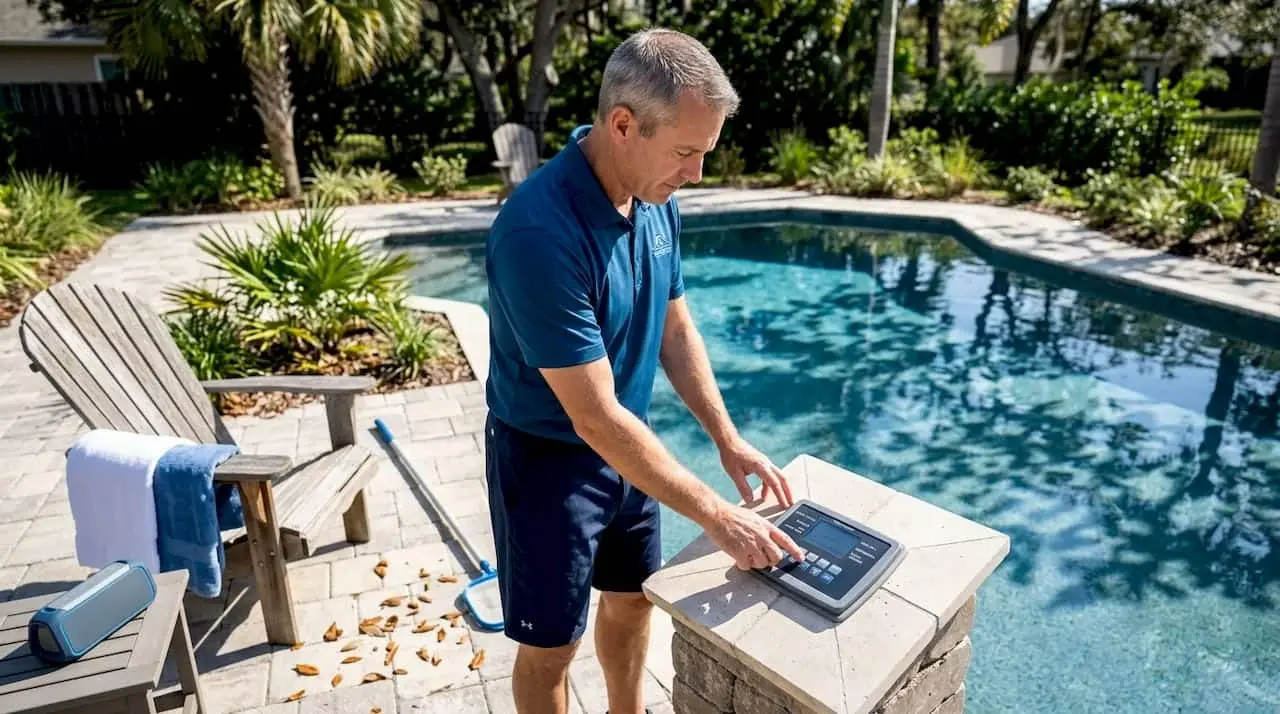
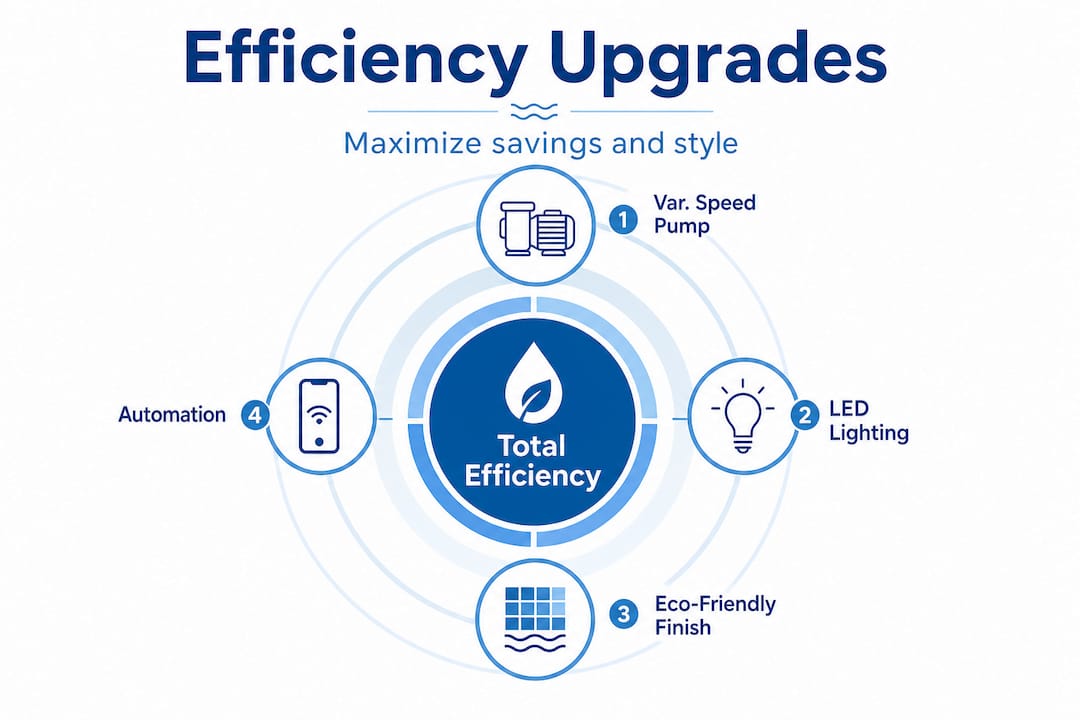
Upgrading your pool for energy efficiency does not mean settling for a plain, industrial-looking backyard fixture. In fact, the newest pool technologies available to Orlando and Jacksonville homeowners deliver dramatic savings on monthly utility bills while making your pool look better than it ever has. Variable-speed pumps, LED lighting, smart automation, and modern eco-friendly finishes all work together to create a pool that runs leaner, lasts longer, and turns heads. This guide walks you through every practical option, explains Florida-specific rules, and shows you exactly where to start.
Table of Contents
- Understanding energy-efficient pools: What actually matters
- Top energy-saving pool equipment upgrades for Florida homes
- How automation and smart controls maximize efficiency and style
- Eco-friendly pool finishes and materials: More than just looks
- Our perspective: What most homeowners miss about pool efficiency
- Ready to transform your Florida pool for maximum savings and style?
- Frequently asked questions
Key Takeaways
| Point | Details |
|---|---|
| Variable-speed pumps save big | Upgrading to variable-speed pumps can cut pool energy costs by up to 90%. |
| LED lighting slashes use | Switching to LED pool lights reduces energy by over 80% while improving ambiance. |
| Automation multiplies savings | Smart controls optimize pump and lighting schedules for effortless efficiency. |
| Eco-friendly materials boost value | Sustainable surfacing lowers maintenance costs and keeps pools looking great. |
| Regulations drive upgrades | Florida mandates multi- or variable-speed pumps for major replacements. |
Understanding energy-efficient pools: What actually matters
Before you spend a dollar on upgrades, it helps to understand what “energy efficiency” actually means for a pool. A few core terms come up constantly, and knowing them will help you avoid costly mistakes.
A variable-speed pump (VSP) is a pump that adjusts its motor speed to match the actual demand of your pool at any given moment. Instead of running at full blast all day, it slows down during off-peak hours and speeds up only when needed. The Weighted Energy Factor (WEF) is the standard measurement used to rate pump efficiency. A higher WEF means more water moved per unit of energy consumed.
Automation refers to any system that controls your pool equipment through a central hub, app, or timer. This includes controlling your pump speed, heater, lighting, and even chemical feeders from a single interface.
Florida homeowners face specific legal requirements here. Florida pool energy standards confirm that DOE standards ban single-speed pumps over 0.5HP for new installations post-2021, and the Florida Building Code requires multi-speed or variable-speed models for any replacement pump over 1HP. VSPs achieve the highest WEF ratings of any pump type available today.
One of the most common misunderstandings we hear from homeowners is that a bigger pump means a cleaner, healthier pool. That is simply not true. An oversized single-speed pump running at full power 24 hours a day wastes enormous amounts of electricity and can actually damage your equipment faster through excessive wear. The goal is the right pump running at the right speed, not the biggest pump running constantly.
Here is what a truly efficient pool system integrates:
- A variable-speed or multi-speed pump matched to your pool’s volume
- LED lighting that replaces old incandescent or halogen fixtures
- An automation controller that manages schedules and equipment coordination
- A pool finish or surface material that supports heat retention and reduces chemical demand
Exploring energy-efficient pool upgrades early in your planning process helps you see how these elements connect. When you treat them as a system rather than separate purchases, the savings multiply. You can also review pool equipment upgrades to understand which hardware changes deliver the strongest return.
With the basics in mind, let’s explore the best energy-saving options available for modern pools.
Top energy-saving pool equipment upgrades for Florida homes
The three upgrades that deliver the fastest, most measurable results for Florida homeowners are variable-speed pumps, LED lighting, and automation systems. Each one reduces your energy bill on its own. Together, they can transform your pool’s operating costs entirely.
VSPs use up to 90% less energy at reduced RPM compared to single-speed models. That is not a marketing claim. It reflects the physics of how motor loads scale with speed. Running a pump at half speed uses roughly one-eighth the energy of running it at full speed. For a Florida pool running year-round, that difference adds up to hundreds of dollars annually.
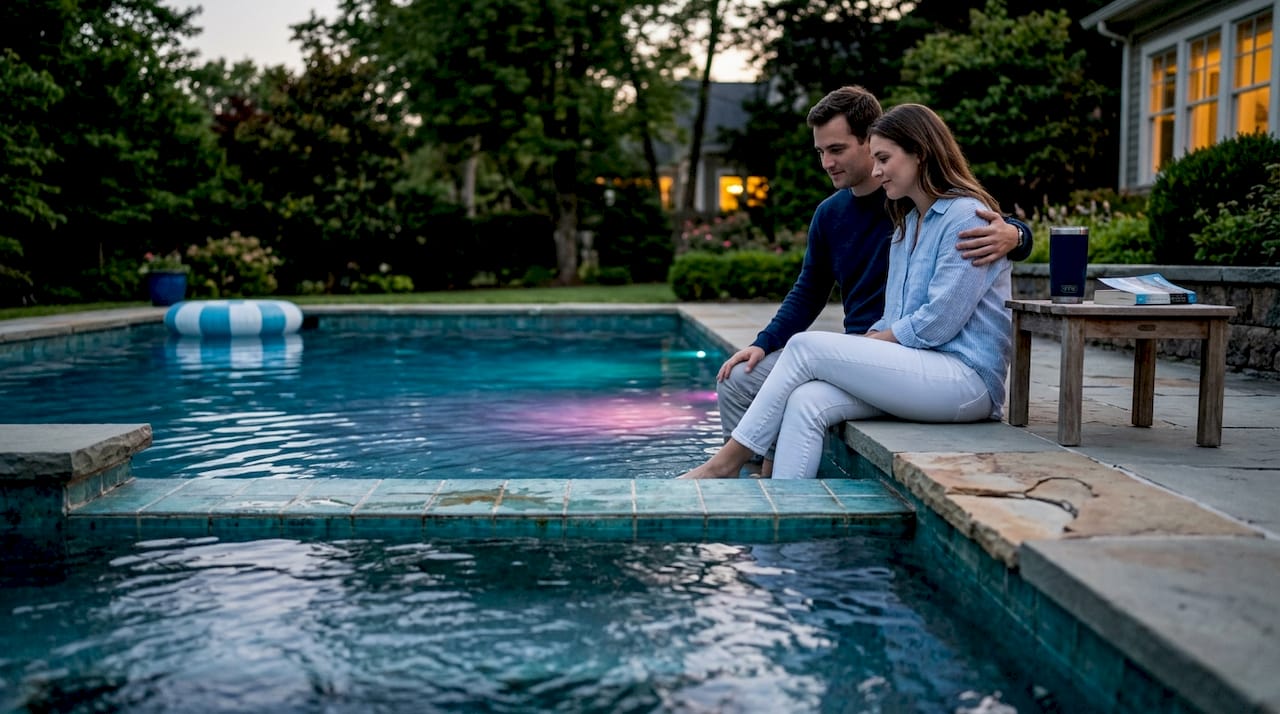
LED pool lights cut energy use by over 80%, dropping from 300 to 500 watts per fixture down to just 35 to 65 watts. Beyond the savings, LED lights produce richer, more vibrant colors and last significantly longer than incandescent or halogen bulbs. That means fewer replacements, less maintenance, and a pool that genuinely looks more attractive at night.
Comparison: Pump and lighting options
| Feature | Single-speed pump | Variable-speed pump | VSP + automation |
|---|---|---|---|
| Energy use | High (constant max RPM) | Up to 90% less | Maximum savings |
| Monthly cost | $150+ typical | $30 to $60 typical | $20 to $50 typical |
| Noise level | Loud | Quiet | Very quiet |
| Florida compliance | Non-compliant (>1HP) | Compliant | Compliant |
| Lifespan | 5 to 8 years | 10 to 12 years | 10+ years |
Steps for upgrading to efficient pool equipment:
- Audit your current equipment. Note the horsepower of your existing pump, the type of lighting installed, and whether you have any existing automation.
- Check Florida compliance. If your pump is over 1HP and single-speed, a replacement is legally required when it fails. Plan ahead rather than scrambling during a breakdown.
- Select a VSP sized for your pool volume. A pool professional can calculate the correct flow rate for your specific setup.
- Replace incandescent lights with LED fixtures. Most LED pool lights are direct replacements that fit existing housings, keeping installation costs low.
- Add an automation controller. Even a basic timer-based system pays for itself quickly. A full smart controller offers app control and advanced scheduling.
- Program your pump for low-speed overnight and higher speeds during filtration windows. This single step alone can cut pump energy use dramatically.
Pro Tip: When choosing LED pool lights, look for color-changing RGB models. They cost only slightly more than single-color LEDs but give you the ability to set moods, highlight water features, and make your pool look like a resort at night. The ambiance upgrade is significant, and the energy cost is the same.
Pairing smart pool equipment upgrades with a LED pool lighting renovation gives you both the cost reduction and the visual transformation most homeowners are looking for.
How automation and smart controls maximize efficiency and style
Automation is the piece that ties everything together. A variable-speed pump running on a smart schedule uses far less energy than the same pump running on a fixed timer. A heater that knows when the pump is running avoids wasted heating cycles. Lighting that follows a programmed sunset schedule means you never leave pool lights on all night by accident.
Automation optimizes schedules and integrates your VSP, heater, and lighting for compounded savings that no single upgrade can match on its own. The table below shows what typical savings look like when you layer these upgrades.
Estimated savings by upgrade combination
| Upgrade | Typical monthly savings | Notes |
|---|---|---|
| VSP only | $80 to $120 | Compared to single-speed pump |
| LED lighting only | $20 to $40 | Replaces incandescent fixtures |
| Automation only | $15 to $30 | Better scheduling, reduced idle time |
| All three combined | $130 to $180 | Compounded savings, best ROI |
Smart automation systems today offer features that go well beyond simple timers:
- Remote control via smartphone app so you can adjust settings from anywhere
- Custom filtration schedules that run the pump at low speed overnight and higher speed during peak filtration periods
- Color lighting scenes that let you switch between white light for swimming and colored ambiance for entertaining
- Heater integration that prevents the heater from running when the pump is off, eliminating wasted energy
- Freeze protection that automatically runs the pump when temperatures drop, protecting your equipment without any manual intervention
- Chemical feeder coordination that doses your pool based on actual usage rather than a fixed schedule
Pro Tip: Syncing your pump’s low-speed cycle to run during off-peak electricity hours, typically late night to early morning, can reduce your energy costs even further if your utility provider offers time-of-use pricing. In Florida, many providers do. Check your bill or call your utility company to find out.
The setup process for modern automation is far simpler than most homeowners expect. Many systems retrofit onto existing equipment without replacing the pump or heater. You can explore pool automation savings in more detail to see real-world cost breakdowns. For broader context on how energy management strategies work across your home, home energy saving tips offer useful parallels to the HVAC world that apply equally well to pool systems.
Eco-friendly pool finishes and materials: More than just looks
Most homeowners think about pumps and lights when they hear “energy efficiency.” Far fewer think about the pool surface itself. That is a missed opportunity, because your pool’s finish affects heat retention, chemical demand, water clarity, and long-term maintenance costs in ways that add up significantly over time.
Darker pool finishes, such as deep blue or gray aggregates, absorb more solar heat during the day. In Florida’s sunny climate, this can meaningfully reduce the time and energy your heater needs to maintain a comfortable water temperature. Lighter finishes reflect more heat but can make the water appear brighter and more inviting in daytime photos and video.
Aggregate and pebble finishes, like Pebble Tec®, offer a textured surface that is more resistant to algae growth than smooth plaster. Less algae means fewer chemicals, less scrubbing, and less frequent water treatment. That reduces your chemical costs and the labor involved in keeping the pool clean.
When you pair a quality aggregate finish with a variable-speed pump and proper automation, you can achieve up to 90% energy savings on pump operation alone, while also cutting chemical use and extending the life of your pool surface by years.
Here are the key advantages of eco-friendly pool materials:
- Reduced chemical demand because textured surfaces resist algae more effectively than smooth plaster
- Lower water use because durable surfaces resist cracking and leaking over time
- Longer service life with aggregate finishes lasting 15 to 25 years versus 7 to 10 years for standard plaster
- Better heat retention with darker aggregate colors absorbing solar energy passively
- Improved aesthetics with natural stone textures and rich colors that look far more premium than plain white plaster
You can review eco-friendly pool materials to see specific product options suited to Florida’s climate. If you are starting from scratch or dealing with a worn surface, pool resurfacing basics walks you through what the process involves and what to expect.
Durability matters here more than most homeowners realize. A pool surface that lasts 20 years instead of 8 years means two fewer resurfacing projects over the life of your home. That is a significant cost avoidance that rarely gets factored into efficiency calculations.
Our perspective: What most homeowners miss about pool efficiency
After working on more than 100,000 pools across Florida since 1988, we have seen a consistent pattern. Homeowners who focus only on the pump and ignore everything else rarely achieve the savings they were hoping for. The pump is important, but it is one part of a system.
The homeowners who see the biggest long-term savings are the ones who treat their pool as an integrated system from the start. They upgrade the pump, yes. But they also replace the lighting, add automation, and invest in a quality surface finish. Each upgrade amplifies the others. A VSP running on a smart schedule saves more than a VSP running on a manual timer. LED lights controlled by automation save more than LED lights left on a manual switch.
We also see homeowners underestimate the value of retrofitting. Many assume that meaningful efficiency gains require tearing everything out and starting over. That is rarely true. Most pools built in the last 20 to 30 years can be upgraded with a VSP, LED fixtures, and an automation controller without any major structural work. The payback period on these retrofits is typically two to four years, after which the savings are pure benefit.
The other thing most homeowners miss is the role of the pool finish in the total cost picture. A worn, pitted plaster surface holds algae, demands more chemicals, and looks bad. Resurfacing with a quality aggregate material is not just cosmetic. It reduces your ongoing maintenance costs and can even affect water temperature management. Reviewing cost-saving pool renovation tips gives you a clearer picture of where renovation dollars deliver the strongest return.
Pro Tip: If you are planning any single upgrade this year, make it the combination of a VSP and an automation controller. That pairing delivers the fastest payback and sets the foundation for every other efficiency improvement you add later.
Ready to transform your Florida pool for maximum savings and style?
Classic Marcite has been helping Orlando and Jacksonville homeowners build more efficient, more beautiful pools since 1988. With over 100,000 pools resurfaced and a reputation as the largest Pebble Tec® applicator in Central Florida, we bring both the expertise and the materials to make real improvements happen.
Whether you are exploring pool resurfacing basics for the first time or ready to upgrade to eco-friendly pool materials that reduce long-term costs, our team can walk you through every option. We also serve communities across the region, including pool resurfacing in The Villages and surrounding areas. Contact us today for a free estimate and find out exactly what your pool needs to run cleaner, look better, and cost less to operate.

Frequently asked questions
How much can variable-speed pumps reduce my pool’s energy bill?
Variable-speed pumps can reduce energy use by up to 90% compared to single-speed models, which typically translates to savings of $80 to $120 per month for a standard Florida pool.
Do LED pool lights really make a big difference in energy savings?
Yes. LED lights use over 80% less energy than traditional incandescent pool fixtures, dropping from 300 to 500 watts down to just 35 to 65 watts per light, while also lasting significantly longer.
Can I automate my existing pool equipment or do I need a full replacement?
Most existing pools can be retrofitted with smart automation systems without replacing all equipment, making this one of the most accessible upgrades available to Florida homeowners today.
What pool materials are best for enhancing both efficiency and appearance?
Eco-friendly aggregate and pebble finishes like Pebble Tec® boost durability, resist algae growth to reduce chemical use, and help retain solar heat more effectively than standard smooth plaster.
Are these energy-efficient solutions required by Florida law for existing pools?
When you replace a pump over 1HP, Florida code requires a multi-speed or variable-speed model, so planning your upgrade proactively keeps you compliant and saves money at the same time.
