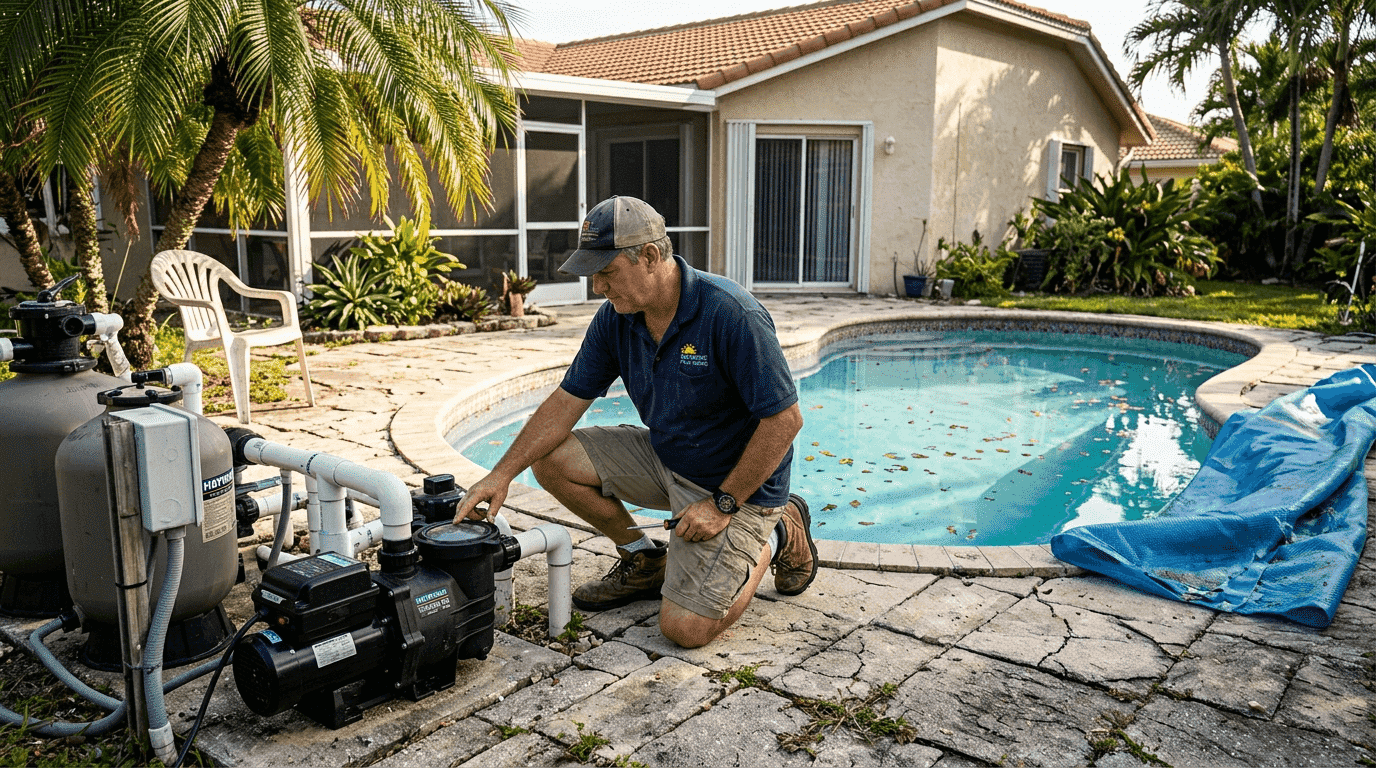
Energy-efficient pool upgrades: save 87% on costs in 2026
Upgrading your pool to be energy efficient while enhancing its appearance and reducing maintenance costs presents a complex challenge for homeowners. You want significant energy savings, a beautiful pool environment, and minimal upkeep, but the variety of upgrade options with different benefits, costs, and performance characteristics makes selection difficult. This article explores the top energy-efficient pool upgrades available in 2026, providing expert insights, detailed comparisons, and practical guidance specifically for Orlando and Jacksonville residents looking to transform their pools into efficient, attractive backyard retreats.
Table of Contents
- How To Choose Energy-Efficient Pool Upgrades: Criteria And Key Considerations
- Variable Speed Pool Pumps: Cutting Energy Use With Advanced Technology
- Choosing The Right Pool Heating System: Solar, Gas, And Electric Options
- Smart Lighting And Pool Covers: Boost Ambiance And Reduce Heat Loss
- Comparing Energy-Efficient Pool Upgrades: A Summary Table And Final Thoughts
- Explore Professional Pool Resurfacing And Renovation Services In Florida
Key takeaways
| Point | Details |
|---|---|
| Variable speed pumps | Reduce energy use by up to 87.5% compared to traditional single-speed models through advanced motor technology. |
| Solar heating systems | Offer 15-20 year lifespans with minimal maintenance and qualify for tax credits in Florida’s sunny climate. |
| LED lighting upgrades | Cut pool lighting energy consumption by up to 80% while enabling customizable color schemes and smart controls. |
| Pool covers | Reduce heat loss from evaporation by up to 70%, significantly lowering heating costs and chemical use. |
| Combined upgrades | Pairing multiple energy-efficient improvements maximizes savings, aesthetics, and long-term pool value. |
How to choose energy-efficient pool upgrades: criteria and key considerations
Selecting the right energy-efficient upgrades requires evaluating multiple factors beyond simple cost comparisons. Understanding these criteria helps you make informed decisions that align with your budget, priorities, and pool usage patterns.
Start by assessing the energy efficiency impact of each upgrade and calculating potential cost savings over time. Compare upfront installation costs against long-term return on investment, considering how quickly each upgrade pays for itself through reduced utility bills. Evaluate maintenance requirements and durability, as some energy-efficient options require more attention than others while varying significantly in lifespan.
Consider how upgrades affect your pool’s visual appeal. Energy efficiency shouldn’t compromise aesthetics, and many modern upgrades actually enhance your pool’s appearance. Check compatibility with your existing pool systems to avoid costly modifications. Florida’s climate plays a crucial role, as Orlando and Jacksonville’s sunny weather and warm temperatures make certain upgrades more effective than others.
Key evaluation factors include:
- Energy savings potential measured in percentage reduction and annual dollar savings
- Total cost of ownership including installation, operation, and maintenance over the upgrade’s lifespan
- Aesthetic impact and how the upgrade enhances your pool’s visual appeal
- Installation complexity and whether professional help is required
- Climate suitability for Central Florida’s weather patterns
- Payback period and when you’ll start seeing net savings
Pro Tip: Prioritize upgrades that address your highest energy consumption areas first. For most pools, pumps and heaters account for 80% of energy costs, making them ideal starting points for cost-saving pool renovations.
Variable speed pool pumps: cutting energy use with advanced technology
Variable speed pool pumps represent the single most impactful energy-efficient upgrade you can make. These advanced systems use permanent magnet motors and sophisticated controls to optimize energy consumption while improving water quality.
The technology behind variable speed pumps centers on permanent magnet motors (PMM) paired with Variable Frequency Drives (VFDs) that precisely control motor speed. Unlike single-speed pumps that run at full power constantly, variable speed models adjust their output based on actual pool needs. This intelligent operation reduces energy consumption by up to 87.5% by running at lower speeds most of the time.
The benefits extend beyond energy savings. Slower pump speeds enhance filtration and reduce turbulence, creating a healthier pool environment with clearer water. Lower flow rates allow filters to capture smaller particles more effectively while reducing wear on pool equipment and plumbing. Digital controllers enable customized scheduling with different speeds for filtering, heating, cleaning, and water features.
Variable speed pumps can pay for themselves in 1-3 years through energy savings alone, then continue delivering benefits for 10-15 years of typical lifespan.
Key advantages of variable speed technology:
- Dramatic energy reduction through optimized motor speeds
- Improved water quality from enhanced filtration efficiency
- Quieter operation at lower speeds
- Extended equipment life due to reduced mechanical stress
- Programmable schedules that match your pool’s usage patterns
- Compatibility with automation systems for maximum convenience
Pro Tip: Integrate your variable speed pump with pool automation systems to automatically adjust speeds based on time of day, water features in use, or cleaning schedules. This maximizes efficiency without requiring manual adjustments. Pairing with professional pool service ensures optimal programming and maintenance.
Choosing the right pool heating system: solar, gas, and electric options
Pool heating represents another major energy expense, making heater selection critical for both comfort and cost efficiency. Three main options dominate the market, each with distinct characteristics suited to different needs and budgets.
Gas pool heaters offer rapid heating capability, reaching desired temperatures quickly regardless of weather conditions. Installation costs range from $5,000 to $7,000, with 84% efficiency ratings, but ongoing fuel expenses add up significantly. The 5-10 year lifespan is shorter than alternatives, requiring more frequent replacement. Gas heaters work best for pools used occasionally or when instant heating matters more than operating costs.
Solar pool heaters excel in Florida’s sunny climate, providing the lowest operating costs of any heating method. These systems last 15-20 years with minimal maintenance and often qualify for federal and state tax credits that reduce upfront investment. While installation costs are higher initially, the absence of fuel costs means solar heaters typically pay for themselves within 3-7 years. Florida’s abundant sunshine makes solar heating particularly effective in Orlando and Jacksonville.
Electric resistance heaters sit between gas and solar in terms of costs and efficiency. Installation runs moderate, but monthly energy costs reach $100-$200, making them less economical for frequent use. They work well as backup systems or for smaller pools and spas.
| Heater Type | Upfront Cost | Efficiency | Lifespan | Best For | Operating Cost |
|---|---|---|---|---|---|
| Gas | $5,000-$7,000 | 84% | 5-10 years | Quick heating, occasional use | High (fuel dependent) |
| Solar | $3,000-$8,000 | 80-90% | 15-20 years | Florida climate, frequent use | Minimal (sun powered) |
| Electric | $2,000-$5,000 | 99% | 10-15 years | Backup heating, small pools | Moderate to high |
Pro Tip: Combine solar heating with a variable speed pump to maximize savings. The pump runs at lower speeds during solar heating, reducing energy use while the sun does the heavy lifting. This pairing delivers the most eco-friendly pool renovation results.
Consider your pool usage patterns, budget constraints, and willingness to wait for heating when making your decision. Frequent swimmers benefit most from solar, while occasional users might prefer gas for convenience.
Smart lighting and pool covers: boost ambiance and reduce heat loss
Lighting upgrades and pool covers work together to enhance both aesthetics and energy efficiency. These complementary improvements address different aspects of pool operation while delivering measurable savings.
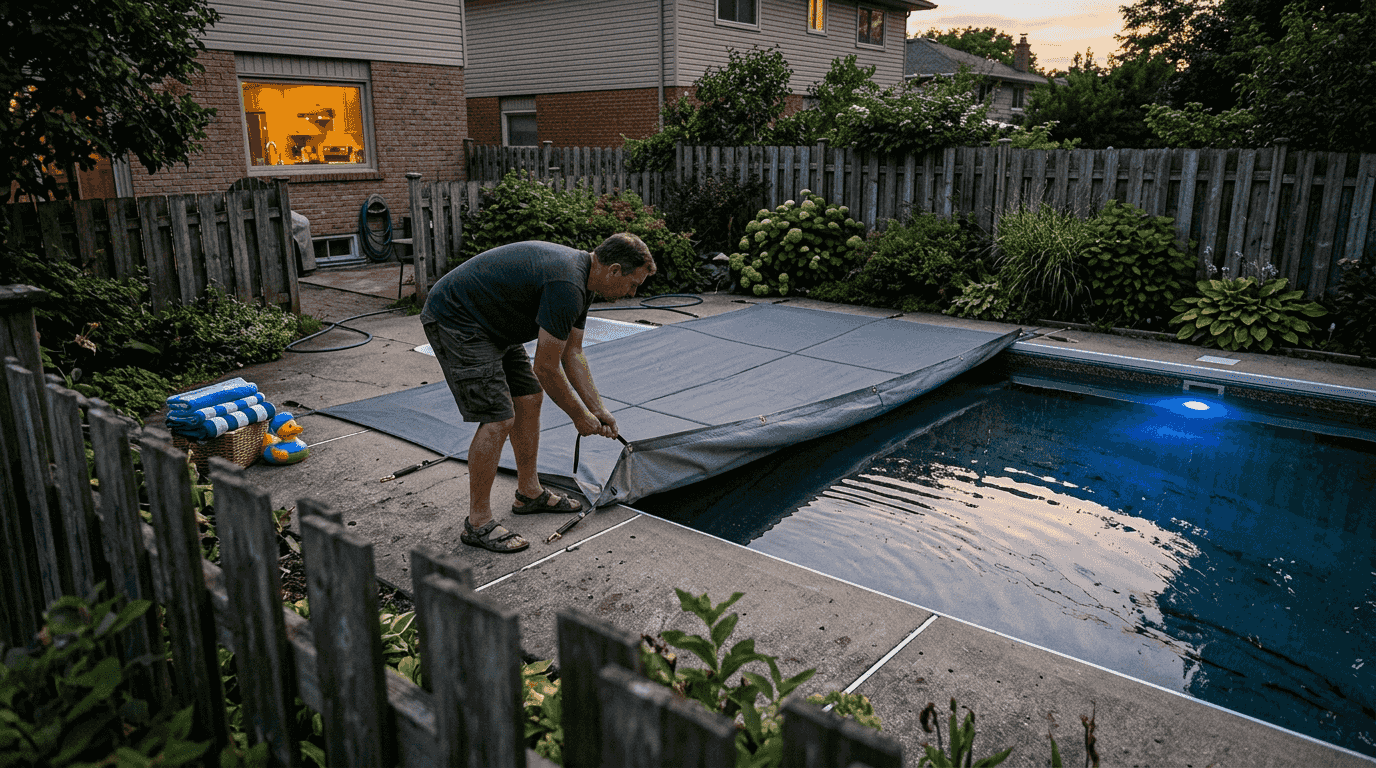
LED pool lights transform energy consumption and visual appeal simultaneously. Upgrading to LEDs saves up to 80% energy compared to traditional halogen bulbs while providing superior color options and brightness control. Smart LED systems take this further, enabling color changes via smartphone apps or voice commands. This technology has become increasingly popular in Florida pools, where outdoor entertaining extends year round.
Smart lighting controls add another layer of efficiency. Systems reduce energy costs 15-25% by optimizing runtime and brightness levels automatically. You can program lights to dim during low-use periods, turn off at specific times, or adjust based on ambient light conditions. The combination of LED efficiency and intelligent controls maximizes both savings and convenience.
Pool covers address the largest source of heat loss: evaporation. Covers reduce heat loss by up to 70% by preventing water evaporation, which accounts for most thermal energy waste. This dramatically cuts heating costs while reducing water consumption and chemical use. Covers also keep debris out, reducing cleaning time and filter workload.
Types of pool covers and their benefits:
- Solar covers: trap heat while adding warmth from sun exposure, ideal for extending swimming seasons
- Automatic covers: provide convenience with motorized deployment, enhancing safety and thermal retention
- Thermal blankets: focus purely on heat retention with insulating materials
- Safety covers: combine heat retention with child and pet safety features
Installing smart lighting and covers together:
- Assess your current lighting setup and identify fixtures suitable for LED conversion
- Select LED lights with desired color options and smart control compatibility
- Install smart lighting controller and configure automation schedules
- Measure your pool precisely for proper cover sizing
- Choose cover type based on budget, convenience needs, and safety priorities
- Install cover system following manufacturer specifications or hire professionals
- Program lighting to work with cover usage patterns for maximum efficiency
Pro Tip: Time your pool lighting renovation with cover installation to minimize disruption and potentially reduce labor costs. Many pool contractors offer package discounts for multiple upgrades. Review cost-saving renovation strategies before starting your project.
Comparing energy-efficient pool upgrades: a summary table and final thoughts
Understanding how different upgrades stack up helps you make strategic decisions aligned with your goals and constraints. This comprehensive comparison highlights the key metrics that matter most.
| Upgrade Type | Energy Savings | Initial Cost | Lifespan | Maintenance | Aesthetic Impact |
|---|---|---|---|---|---|
| Variable Speed Pump | 70-87% reduction | $1,200-$2,500 | 10-15 years | Low (annual service) | None (hidden equipment) |
| Solar Heater | 80-100% of heating | $3,000-$8,000 | 15-20 years | Low (periodic cleaning) | Moderate (roof panels) |
| LED Smart Lighting | 75-80% reduction | $300-$1,500 | 20-25 years | Minimal | High (color options) |
| Pool Cover | 60-70% heat retention | $500-$3,000 | 5-15 years | Moderate (cleaning, storage) | Low to moderate |
Choosing upgrades based on your priorities:
- Budget conscious approach: start with LED lighting and a basic pool cover for under $2,000 total investment
- Maximum savings focus: prioritize variable speed pump and solar heating for the biggest long-term reductions
- Aesthetic emphasis: invest in smart LED lighting systems with covers that complement your pool design
- Lowest maintenance path: choose variable speed pumps and LED lighting for minimal ongoing attention
- Comprehensive transformation: combine all four upgrades for maximum efficiency, beauty, and value
Pro Tip: Phase your upgrades strategically rather than doing everything at once. Start with the variable speed pump for immediate savings, then add solar heating during the next season, followed by lighting and covers. This spreads costs while letting each upgrade start paying for itself.
Evaluate return on investment by calculating annual savings from each upgrade and dividing into the initial cost. Most energy-efficient pool upgrades pay for themselves within 2-7 years, then continue delivering benefits for decades. Consider how long you plan to own your home, as these improvements increase property value significantly.
Orlando and Jacksonville’s climate makes energy-efficient upgrades particularly valuable. Year-round pool use means higher baseline energy consumption but also greater savings potential from efficiency improvements. The sunny weather maximizes solar heating effectiveness while LED lighting shines during long summer evenings.
Your pool usage patterns matter too. Frequent swimmers benefit most from comprehensive upgrades, while occasional users might focus on lower-cost improvements like lighting and covers. Families with children often prioritize safety features like automatic covers that also deliver energy savings.
Long-term enjoyment comes from balancing efficiency with aesthetics. The best upgrades enhance your pool experience while reducing costs. Modern technology makes this easier than ever, with smart systems that deliver both beauty and savings. When planning your upgrades, consider timing them with other renovations like resurfacing aging pools to maximize value and minimize disruption. Understanding the lasting value of pool renovation helps frame these investments appropriately.
Explore professional pool resurfacing and renovation services in Florida
Upgrading your pool’s energy efficiency pairs perfectly with resurfacing and renovation work that enhances durability and visual appeal. When you combine these improvements, you create a transformed pool that performs better, looks stunning, and costs less to operate.

Classic Marcite specializes in comprehensive pool transformations throughout Central Florida, bringing over 35 years of experience to Orlando and Jacksonville homeowners. The company’s expertise in pool resurfacing using premium materials like Pebble Tec creates surfaces that last 25+ years while improving slip resistance and aesthetic appeal. These durable finishes complement energy-efficient upgrades by reducing long-term maintenance needs and creating the beautiful backdrop your upgraded pool deserves.
Timing your resurfacing with energy-efficient upgrades makes practical and financial sense. You minimize disruption by completing multiple improvements during a single project timeline, and many contractors offer package pricing that reduces overall costs. The combination of a refreshed surface with efficient equipment and lighting creates a completely renewed pool that feels brand new.
Pro Tip: Schedule pool renovation in Jacksonville or Orlando during the cooler months when you use your pool less frequently. This timing allows contractors to work efficiently while minimizing impact on your swimming schedule, and you’ll have everything ready for peak swimming season.
FAQ
What is the most energy-efficient pool pump option?
Variable speed pumps currently offer the most energy-efficient pool pumping technology available. These pumps reduce energy consumption by up to 87.5% compared to traditional single-speed models through advanced permanent magnet motors and variable frequency drives that optimize motor speeds for different tasks.
Are solar pool heaters a good investment for Florida homeowners?
Yes, solar pool heaters provide excellent value for Florida residents. Solar systems last 15-20 years with minimal maintenance and qualify for tax credits that reduce upfront costs. Orlando and Jacksonville’s abundant sunshine makes solar heating particularly effective, typically paying for itself within 3-7 years through eliminated fuel costs.
How much can LED pool lighting reduce energy costs?
LED pool lighting saves up to 80% energy compared to traditional halogen lighting. When combined with smart controls, total savings can reach 85-90% through optimized usage patterns. LED bulbs also last 20-25 years, eliminating frequent replacement costs while providing superior color options and brightness control.
What maintenance is needed for solar pool heaters?
Solar pool heaters require periodic inspection and cleaning of solar panels to maintain optimal performance. Regular maintenance ensures longevity and efficiency of the system. Annual professional inspections check for leaks, verify proper water flow, and clean panels of debris, taking just a few hours while extending system life significantly.