TL;DR:
- A pool expansion joint is a flexible gap between the pool coping and deck that absorbs structural movement caused by temperature changes and soil shifting. Proper seals prevent cracks, water intrusion, and costly repairs by accommodating seasonal expansion and contraction. Using rated sealants and conducting regular inspections helps maintain pool integrity and prevent structural damage.
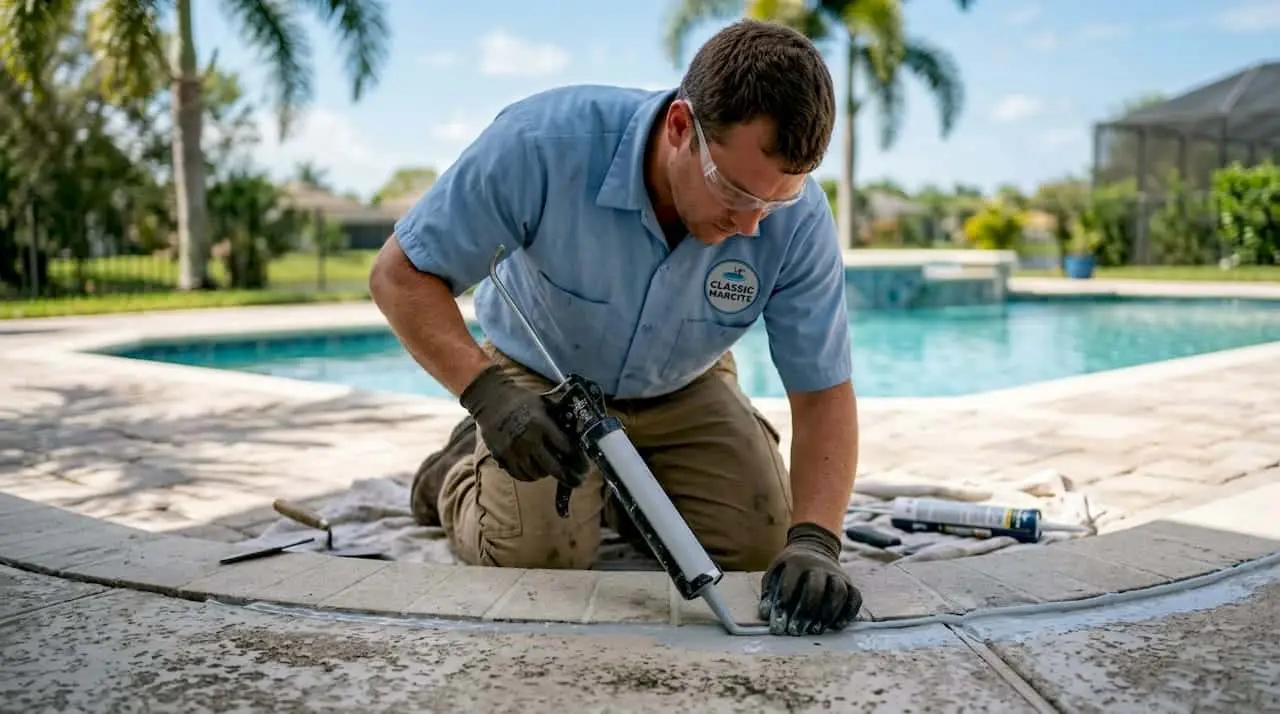
A pool expansion joint is a designated flexible gap between the pool coping and the surrounding deck that absorbs structural movement caused by temperature changes and soil shifting. Without this gap, concrete components push against each other as they expand and contract, transferring stress directly into the pool shell and coping. That stress cracks tiles, loosens coping stones, and opens pathways for water to migrate beneath the deck. A standard expansion joint measures between 1/2 inch and 1 inch wide. That small gap does an enormous amount of structural work.
What is a pool expansion joint, and how does it protect your pool?
A pool expansion joint is the industry term for what many contractors also call pool mastic or a control joint. The gap sits between the pool coping and the concrete deck, and it stays filled with a flexible, waterproof sealant rather than rigid mortar. That distinction matters more than most homeowners realize.
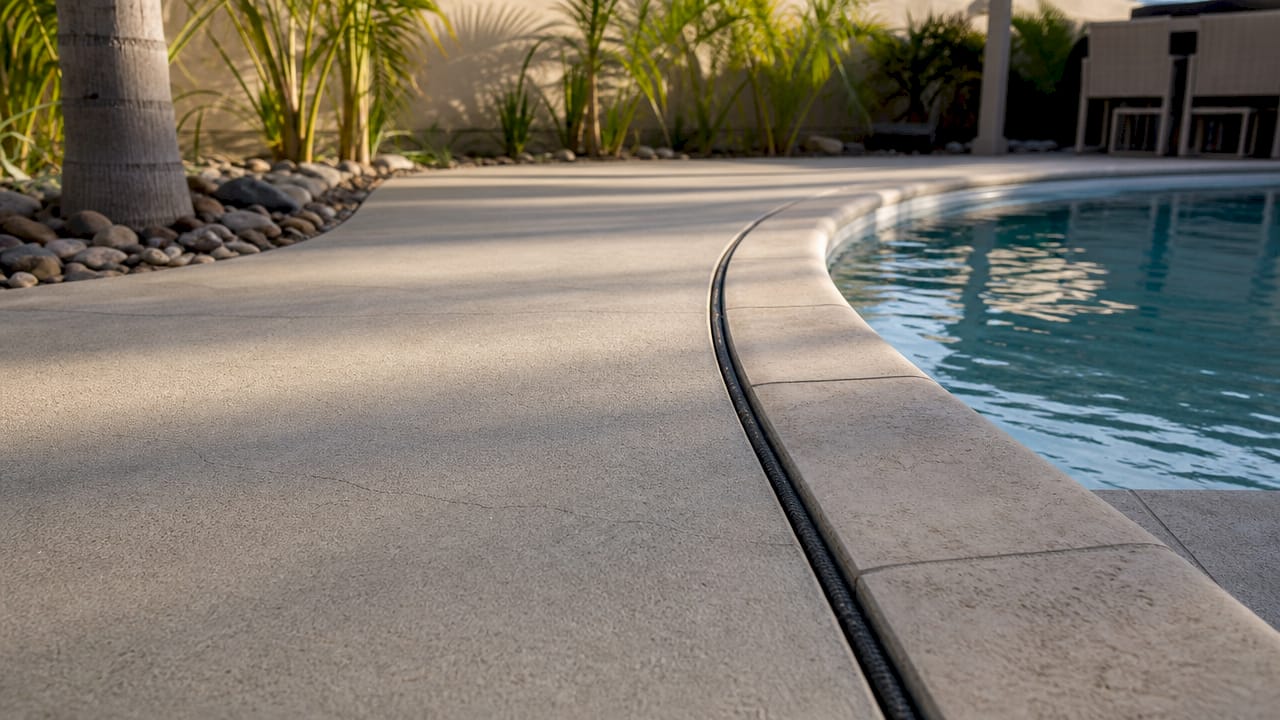
Concrete does not bend. It breaks under pressure when temperature-induced expansion has nowhere to go. Florida pools face this cycle constantly. Summer heat causes the deck to expand outward. Cooler nights and winter months cause it to contract. Without a joint to absorb that movement, the forces transfer directly into the pool beam and coping, shearing tiles and cracking the pool shell.
The expansion joint acts as a buffer zone. When the deck expands, the flexible sealant compresses. When the deck contracts, the sealant stretches back. The pool shell never receives the force. This is why expansion joints prevent cracked tiles, loose coping stones, and costly water intrusion that would otherwise require major structural repairs.
Water intrusion is the second major threat the joint addresses. A properly sealed joint blocks water from migrating beneath the deck. Water that gets under the deck erodes the soil, causes the deck to sink, and builds hydrostatic pressure against the pool shell. That pressure cracks pool plaster and destabilizes the entire structure over time.
Pro Tip: Never fill an expansion joint with mortar, grout, or concrete patch. Rigid fillers eliminate the joint’s ability to flex, which causes the same cracking and damage the joint was designed to prevent.
What materials and sealants work best in pool expansion joints?
The sealant inside the joint is not decorative. It is a structural component, and the wrong material causes faster damage than no sealant at all.
Pool-grade sealants fall into three main categories:
- Polysulfide sealants: Highly flexible and chemically resistant to pool water, chlorine, and UV exposure. These are the traditional standard for aquatic environments and bond well to concrete and stone coping.
- Polyurethane sealants: Slightly more rigid than polysulfide but still flexible enough for pool use. They adhere well and resist abrasion, making them a solid choice for high-traffic pool decks.
- Hybrid elastomeric compounds: Newer formulations that combine the chemical resistance of polysulfide with the adhesion strength of polyurethane. These perform well in Florida’s climate, where UV intensity and temperature swings are extreme.
Household silicone caulk is not an acceptable substitute. Silicone lacks the chemical resistance and long-term flexibility required for continuous exposure to pool water, chlorine, and direct sunlight. It degrades quickly, hardens, and then transfers stress rather than absorbing it. That accelerates exactly the kind of structural damage the joint is supposed to prevent.
Self-leveling formulations work best for horizontal joints between the coping and deck. They flow into the gap evenly without air pockets, which ensures full contact with both surfaces. Non-sag formulations work better for vertical applications. Matching the product to the joint orientation is a detail that separates a repair that lasts three years from one that lasts a decade.
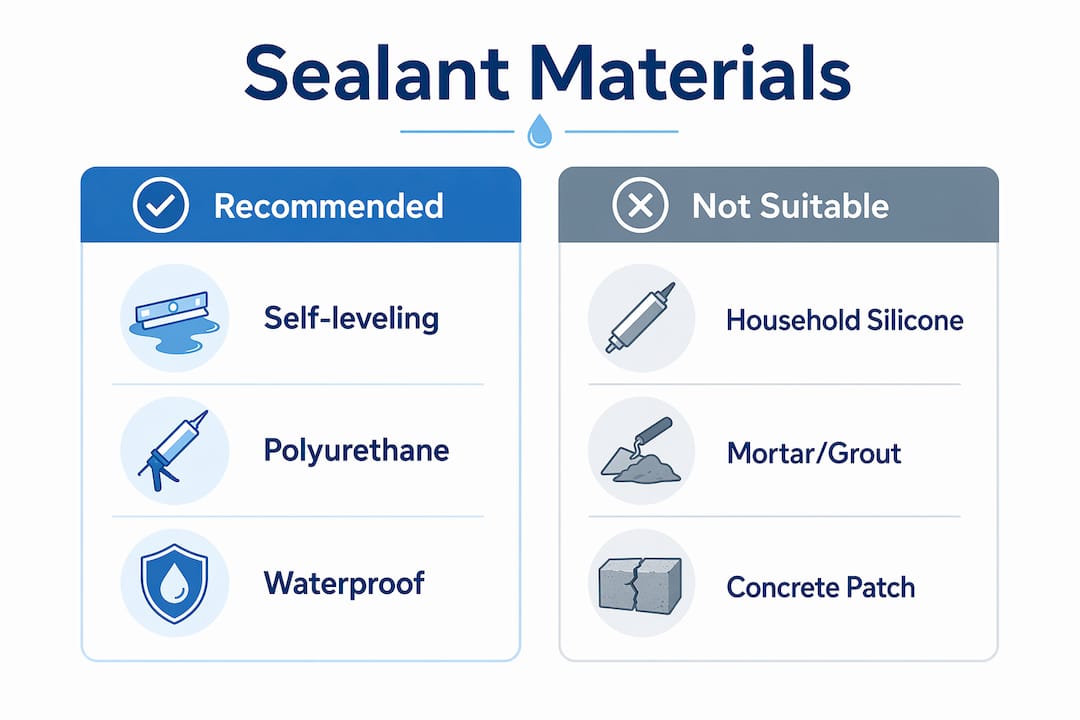
Pro Tip: Always check that the sealant you choose is rated for continuous water immersion and UV exposure. Products labeled “aquatic grade” or “pool grade” meet these requirements. General construction sealants typically do not.
How do you recognize signs of a failing pool expansion joint?
Most homeowners notice expansion joint failure only after water has already gotten under the deck. Catching the warning signs earlier saves significant money. For a deeper look at pool mastic and what joint sealant failure looks like in practice, the pattern of symptoms follows a predictable sequence.
Early warning signs include:
- Brittleness or crumbling sealant: Healthy sealant feels slightly pliable when pressed. Sealant that crumbles or flakes has lost its flexibility and no longer absorbs movement.
- Visible gaps or pull-away: When sealant separates from the coping or deck edge, water has a direct entry point. Even a 1/8-inch gap is enough to allow significant water migration over a season.
- Surface pitting or erosion near the joint: Pitting in the deck or coping surface near the joint line indicates water has been working its way in and out repeatedly.
- Discoloration or staining along the joint line: Dark streaking or efflorescence (white mineral deposits) along the joint signals moisture movement beneath the surface.
Advanced damage shows up as cracked tiles, loose or rocking coping stones, and visible deck settlement. At that stage, the repair cost jumps considerably because the structural components themselves need attention, not just the sealant. Early detection of hairline cracks or hardening sealant is the most cost-effective maintenance habit a pool owner can develop.
Many homeowners treat the joint as a cosmetic feature and delay repairs until water intrusion causes serious structural damage. That mistake is far more common than it should be, and it is entirely avoidable with a twice-yearly visual check.
Best practices for installing and maintaining pool expansion joints
Correct installation and consistent maintenance determine how long an expansion joint performs. The steps below apply whether you are resealing an existing joint or working with a contractor on a new deck installation.
Removing old sealant before resealing
Removing all old hardened sealant before applying new material is non-negotiable. New sealant applied over old, degraded material will not bond properly to the concrete surfaces. Use an oscillating tool or a joint saw to cut out the old sealant cleanly. Follow with a wire brush and compressed air to clear debris from the gap. The joint must be clean, dry, and free of dust before new sealant goes in.
Installation and resealing steps
- Clear the joint completely. Remove all old sealant, mortar, and debris down to bare concrete on both sides.
- Clean and dry the surfaces. Use a concrete cleaner or degreaser, then allow the joint to dry fully. Moisture under new sealant causes adhesion failure.
- Install a backer rod. For joints deeper than 1/2 inch, press a closed-cell foam backer rod into the gap to control sealant depth and improve flexibility.
- Apply pool-grade sealant. Use a caulking gun to fill the joint evenly. For horizontal joints, a self-leveling product flows into place without tooling.
- Allow full cure time. Most pool-grade sealants require 24–72 hours of cure time before water exposure. Check the product specification.
New concrete decks should wait approximately 30 days after the pour before receiving sealant. Concrete continues to cure and shrink during that period, and sealing too early traps moisture and causes premature adhesion failure.
Routine maintenance schedule
| Inspection task | Recommended frequency |
|---|---|
| Visual check of sealant condition | Every 6 months |
| Full joint cleaning and debris removal | Annually |
| Professional sealant replacement | Every 3–5 years, or when failure signs appear |
| Post-storm inspection for debris and gaps | After major weather events |
For Florida pools specifically, the combination of intense UV exposure, heavy rain, and temperature swings accelerates sealant degradation. Reviewing Florida pool deck maintenance practices alongside your expansion joint schedule gives you a complete picture of what the deck needs each season.
Key takeaways
A pool expansion joint is a structural component, not a cosmetic detail, and neglecting it leads directly to cracked tiles, loose coping, and costly water damage beneath the deck.
| Point | Details |
|---|---|
| Definition and function | A flexible gap between coping and deck that absorbs concrete movement and blocks water intrusion. |
| Correct sealant type | Use polysulfide, polyurethane, or hybrid elastomeric sealants rated for aquatic environments. |
| Signs of failure | Brittle or crumbling sealant, visible gaps, surface pitting, and staining along the joint line. |
| Installation timing | Seal new concrete joints approximately 30 days after the pour to allow proper curing. |
| Maintenance frequency | Inspect every 6 months and plan professional resealing every 3–5 years. |
What years of pool work taught me about expansion joints
The most consistent mistake I see from homeowners is treating the expansion joint as a grout line. They notice it looks worn, assume it is cosmetic, and move on. By the time they call for help, the coping is rocking, tiles are cracking off the beam, and water has been running under the deck for at least one full season.
The joint is the most underappreciated structural element on a pool. It costs very little to maintain correctly. A tube of quality polysulfide sealant and an hour of work every few years is the entire investment. The alternative is a deck repair or coping replacement that runs into thousands of dollars.
Florida’s climate makes this more urgent than in most states. The UV index here degrades sealant faster than in northern climates. Heavy summer rain puts constant pressure on any gap in the joint. And the soil movement from wet and dry cycles adds load stress that northern pools simply do not experience at the same intensity.
My honest advice: add a joint inspection to your pool opening and closing routine every year. Run your finger along the sealant. If it feels hard, crumbly, or pulls away from the edge, reseal it before the next season. That one habit prevents the majority of the structural damage I see on pools that are only 10 to 15 years old.
— Classicmarcite
Professional pool care from Classicmarcite
Expansion joint repair is one part of a larger picture of pool health. When joints fail alongside aging plaster, worn coping, or a deteriorating deck surface, addressing each issue separately costs more time and money than a coordinated renovation.

Classic Marcite has resurfaced over 100,000 pools across Florida since 1988, including residential pools, commercial properties, and resort facilities. The team handles pool resurfacing in The Villages and across Central Florida, with full attention to deck condition, coping integrity, and joint repair as part of every project scope. If your pool shows signs of joint failure alongside surface wear, a free estimate from Classicmarcite gives you a clear picture of what the repair involves and what it will cost. Reach out through the pool repair service page to get started.
FAQ
What is the purpose of a pool expansion joint?
A pool expansion joint absorbs the expansion and contraction of concrete caused by temperature changes, preventing that movement from cracking the pool shell, coping, or tiles. It also acts as a waterproof barrier that blocks water from migrating beneath the deck.
How wide should a pool expansion joint be?
A standard pool expansion joint measures between 1/2 inch and 1 inch wide. That width gives the sealant enough room to compress and stretch through seasonal concrete movement without tearing.
Can I use regular silicone caulk in a pool expansion joint?
Household silicone caulk is not suitable for pool expansion joints. It lacks the chemical resistance and long-term flexibility needed for continuous exposure to pool water, chlorine, and UV light, and it hardens over time in ways that transfer stress rather than absorb it.
How often should pool expansion joints be resealed?
Plan on professional resealing every 3–5 years under normal conditions. Florida pools may need attention more frequently due to intense UV exposure, heavy rainfall, and soil movement from wet and dry cycles.
What happens if a pool expansion joint is left unrepaired?
A failing joint allows water to migrate beneath the deck, which erodes soil, causes deck settlement, and builds hydrostatic pressure against the pool shell. Over time, that leads to cracked plaster, loose coping stones, and structural repairs that cost far more than timely joint maintenance.
