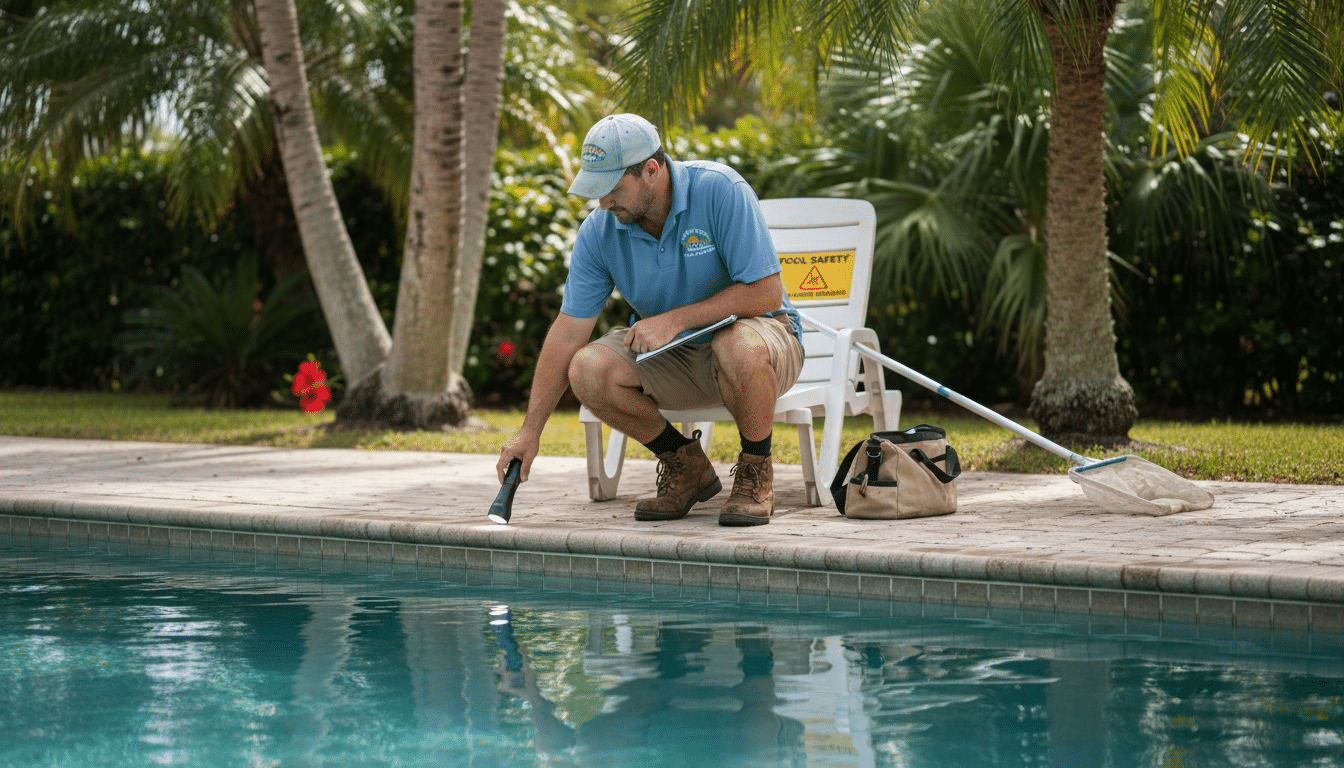
Every Florida homeowner knows the joy a backyard pool brings, but overlooked surface damage can quickly turn that oasis into a safety hazard. From rough patches and slippery finishes to cracks that develop over time, these issues put family and guests at risk. The condition of your pool’s surface is more than an aesthetic concern—it is a vital element of swimmer protection. This guide breaks down how pool resurfacing enhances safety by addressing hazards, improving durability, and supporting a beautiful, secure swimming environment in Orlando and Jacksonville.
Table of Contents
- What Pool Resurfacing Means For Safety
- Common Pool Surface Hazards And Risks
- Types Of Resurfacing Materials And Benefits
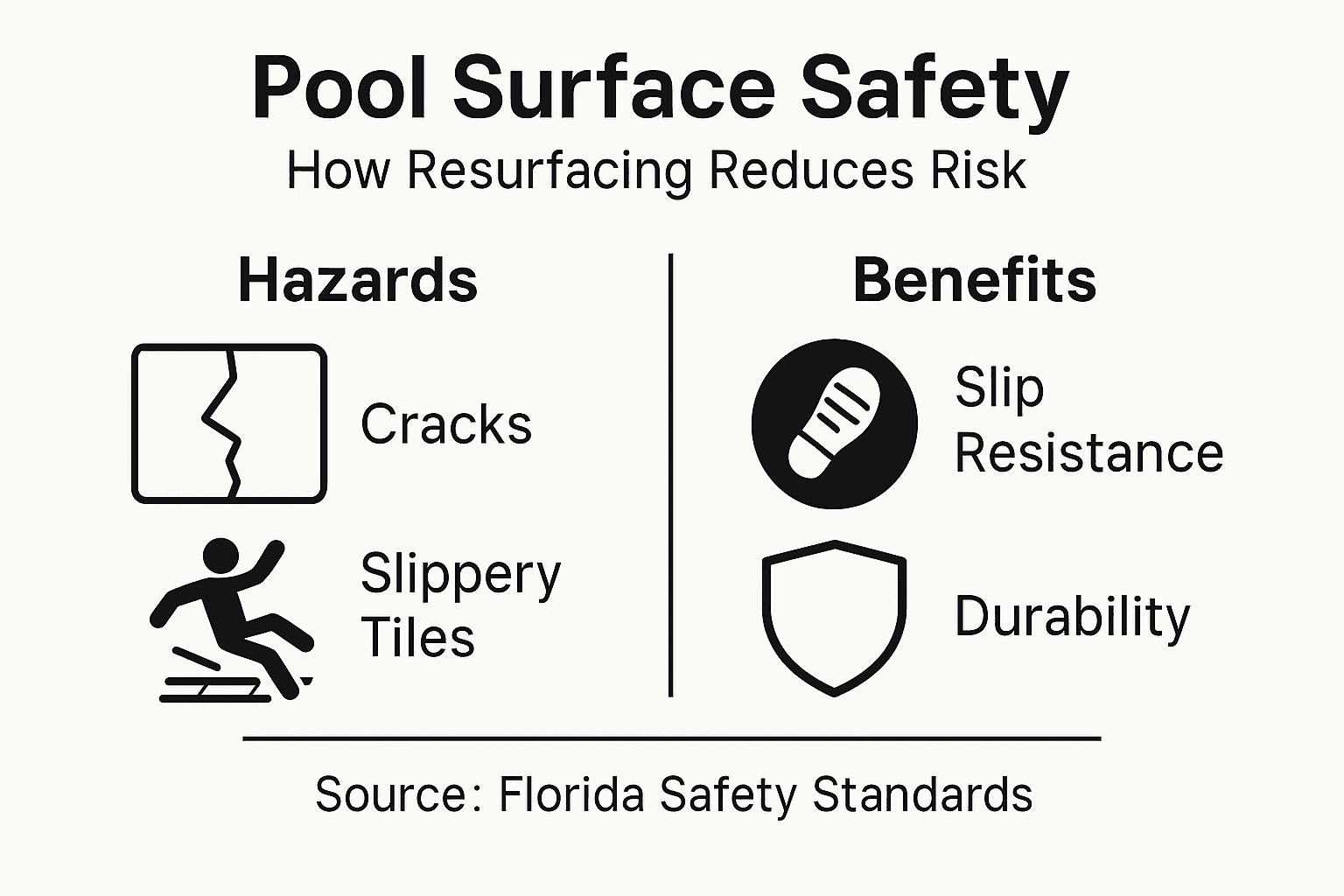
- How Resurfacing Addresses Safety Concerns
- Cost, Maintenance, And Choosing The Right Time
Key Takeaways
| Point | Details |
|---|---|
| Importance of Resurfacing | Pool resurfacing is a critical safety intervention that enhances swimmer safety and prevents potential hazards. |
| Hazard Mitigation | Regular resurfacing helps eliminate risks from surface deterioration and ensures smooth, non-slip textures. |
| Material Selection | Choosing the right resurfacing material is essential for safety, durability, and cost-effectiveness. |
| Regular Inspections | Homeowners should conduct professional inspections every 2-3 years to identify surface issues early and ensure safety. |
What Pool Resurfacing Means for Safety
Pool resurfacing represents far more than a cosmetic enhancement – it’s a critical safety intervention for Florida homeowners. The process involves systematically repairing and replacing the pool’s interior surface to prevent potential hazards and maintain structural integrity. Pool surface condition directly impacts swimmer safety, making resurfacing a proactive measure against potential injuries.
According to safety barrier guidelines, resurfacing addresses multiple safety dimensions by eliminating potential risks:
- Removing surface cracks and deterioration
- Creating non-slip textures
- Restoring waterproof barriers
- Preventing structural weakening
- Improving overall pool shell durability
The safety implications extend beyond surface appearance. Pool resurfacing helps prevent accidents by ensuring smooth, uniform surfaces that reduce trip and fall risks. Professional resurfacing techniques incorporate specific design elements that enhance swimmer safety, such as:
- Contrasting color markers for depth identification
- Clearly defined pool entry and exit points
- Slip-resistant surface treatments
- Uniform texture across pool surfaces
Pool resurfacing is not just maintenance – it’s a critical safety intervention that protects swimmers from potential hazards.
Professional resurfacing techniques can significantly minimize risk by addressing surface compliance requirements that prevent accidents and structural degradation. By investing in proper pool resurfacing, homeowners create a safer swimming environment that protects family and guests.
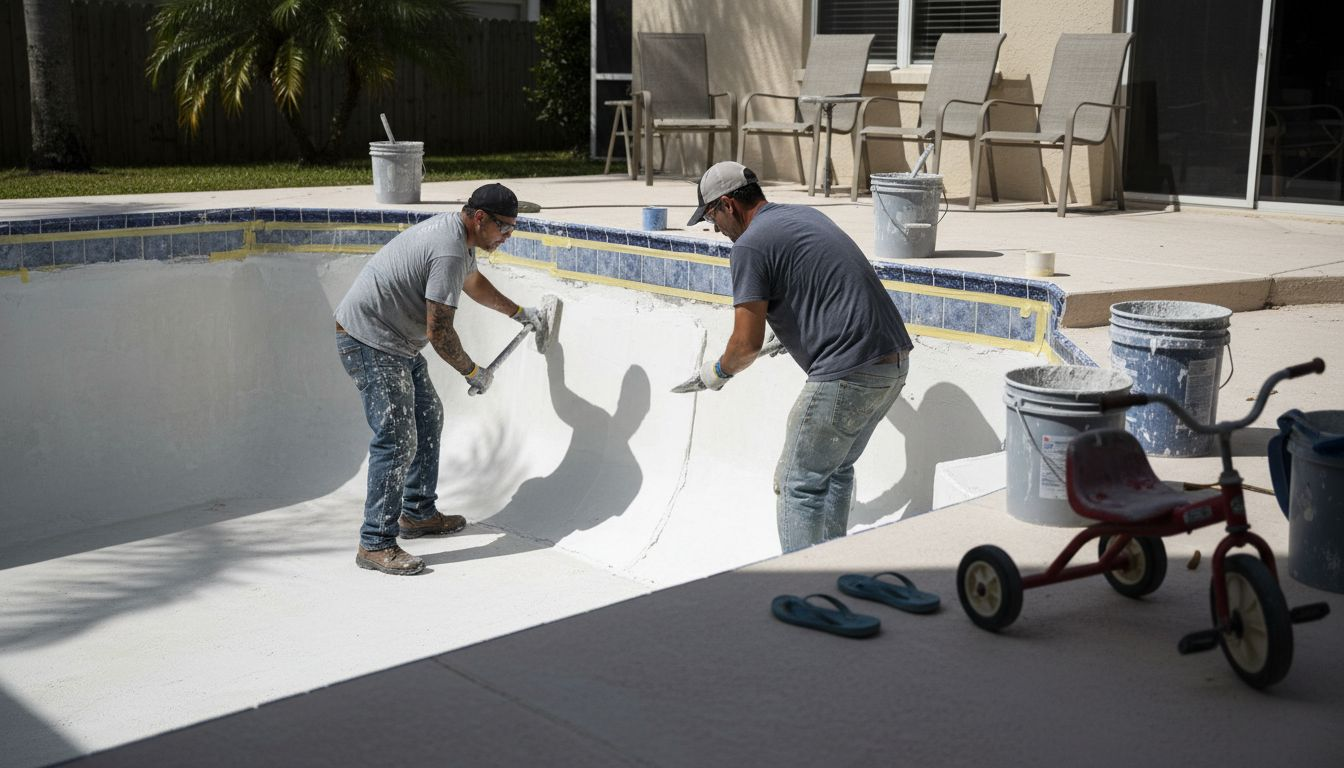
Pro tip: Have your pool professionally inspected every 2-3 years to identify potential surface issues before they become significant safety concerns.
Common Pool Surface Hazards and Risks
Pool surfaces can transform from welcoming recreational spaces into dangerous zones when proper maintenance is neglected. Home pool safety guidelines highlight several critical hazards that Florida homeowners must address to prevent potential injuries. Surface deterioration represents one of the most significant risks, creating multiple safety challenges for swimmers.
Common pool surface hazards include:
- Slippery algae-covered areas
- Rough, uneven textures
- Hairline and structural cracks
- Worn finish spots
- Potentially sharp or jagged surface edges
These surface imperfections can lead to serious accidents. According to safety barrier guidelines, damaged pool surfaces create multiple risk scenarios:
- Increased slip and fall potential
- Higher likelihood of cuts and abrasions
- Potential foot and skin injuries
- Enhanced risk of structural failures
- Compromised swimmer safety
Surface damage is not just a cosmetic issue – it’s a direct threat to swimmer safety and structural integrity.
Professional pool inspections can identify these hazards before they escalate. Some risks extend beyond visible damage, including potential entrapment zones created by uneven surfaces or damaged pool equipment. By understanding and proactively addressing these risks, homeowners can create a safer swimming environment that protects family and guests from potential accidents.
Pro tip: Conduct a comprehensive pool surface inspection at least twice annually, looking for subtle signs of wear, cracking, or deterioration that might compromise safety.
Below is a summary of common pool surface hazards and recommended prevention strategies:
| Hazard Type | Potential Injury Risk | Prevention Method |
|---|---|---|
| Algae buildup | Slipping and falling hazards | Regular cleaning, chemical balance |
| Surface cracks | Cuts, entrapment risk | Immediate repair, professional patch |
| Rough areas | Skin abrasions, discomfort | Scheduled resurfacing, smoothing |
| Worn finish | Reduced grip, deeper wear points | Surface recoating, inspections |
| Jagged edges | Foot and hand injuries | Edge rounding, professional repair |
Types of Resurfacing Materials and Benefits
Pool resurfacing materials represent more than just aesthetic choices – they are critical safety and durability investments for Florida homeowners. International swimming pool safety codes outline several essential materials that can transform a pool’s performance and protection, each offering unique advantages for residential environments.
Key resurfacing materials include:
- Plaster: Smooth, economical classic finish
- Aggregate surfaces: Durable with natural textures
- Ceramic tiles: Aesthetic and long-lasting option
- Fiberglass: Non-porous and low-maintenance alternative
Each material brings specific benefits to pool safety and functionality:
- Slip resistance for preventing accidents
- Chemical and weather durability
- Aesthetic appeal and customization
- Ease of maintenance and cleaning
- Long-term cost-effectiveness
Not all pool surfaces are created equal – the right material can significantly enhance swimmer safety and pool longevity.
According to health and safety requirements, approved resurfacing materials must meet strict standards for slip resistance, visual clarity, and structural integrity. Professional selection considers factors like local climate, pool usage, budget, and specific safety needs unique to each swimming environment.
Pro tip: Consult a professional pool resurfacing specialist who can assess your specific pool conditions and recommend the most appropriate material for your safety and aesthetic requirements.
Here’s a comparison of popular pool resurfacing materials and their key qualities:
| Material Type | Durability Estimate | Slip Resistance | Typical Maintenance Needs |
|---|---|---|---|
| Plaster | 7–10 years | Moderate | Periodic cleaning, patching |
| Aggregate | 12–15 years | High | Occasional brushing, sealing |
| Ceramic Tile | 20+ years | Excellent | Minimal, regular grout checks |
| Fiberglass | 15–20 years | High | Low, surface inspections |
How Resurfacing Addresses Safety Concerns
Pool resurfacing represents a comprehensive approach to safety enhancement that goes far beyond simple aesthetic improvements. Safety barrier guidelines highlight the critical role of surface maintenance in preventing potential accidents and injuries for swimmers of all ages and skill levels.
Key safety concerns addressed through resurfacing include:
- Eliminating rough surface patches
- Removing potential tripping hazards
- Creating slip-resistant textures
- Preventing structural deterioration
- Enhancing visual clarity and depth perception
Specifically, resurfacing mitigates safety risks through multiple strategic interventions:
- Smoothing uneven surface textures
- Repairing structural cracks and weaknesses
- Implementing non-slip coatings
- Restoring clear depth markers
- Maintaining proper drainage characteristics
Effective pool resurfacing transforms potential hazards into safe, welcoming swimming environments.
According to local health and safety requirements, proper resurfacing ensures pools meet stringent safety standards. This process involves comprehensive assessments of surface integrity, slip resistance, and potential entrapment zones, creating a multi-layered approach to swimmer protection that addresses both visible and hidden risks.
Pro tip: Schedule professional pool surface assessments annually to identify and address potential safety concerns before they become serious hazards.
Cost, Maintenance, and Choosing the Right Time
Pool resurfacing represents a significant investment for Florida homeowners, with costs and timing being critical considerations. Comprehensive pricing research reveals that professional resurfacing typically ranges from $15 to $30 per square foot, depending on material selection and pool complexity.
Major cost factors include:
- Pool size and surface area
- Selected resurfacing material
- Extent of existing surface damage
- Labor and preparation requirements
- Geographic location and local market rates
Typical maintenance and replacement timelines follow these general guidelines:
- Basic plaster surfaces: 7-10 year lifespan
- Aggregate finishes: 12-15 year durability
- High-end materials: Up to 20-25 years with proper care
- Annual professional inspections recommended
- Proactive maintenance extends surface life
Strategic maintenance can significantly reduce long-term pool renovation expenses.
According to energy conservation recommendations, homeowners can extend surface longevity by implementing protective strategies such as using pool covers, maintaining balanced chemical levels, and addressing minor issues immediately. These preventative measures help mitigate environmental damage and reduce overall maintenance costs.
Pro tip: Budget for professional pool resurfacing by setting aside approximately 3-5% of your home’s value annually for potential major maintenance and renovation projects.
Enhance Your Pool Safety with Professional Resurfacing Solutions
The article underscores the critical role of pool resurfacing in eliminating hazards such as surface cracks, slippery areas, and structural weaknesses that threaten swimmer safety in Florida homes. If you are concerned about creating a safer swimming environment while extending the life and beauty of your pool, addressing these risks with expert resurfacing techniques is essential. Terms like slip resistance, surface integrity, and non-slip textures emphasize the necessity of selecting the right material and professional approach to avoid accidents and preserve your pool’s structure.
At Classic Marcite, we specialize in transforming pool surfaces to meet the highest safety and durability standards using premium materials such as Pebble Tec®. With over 100,000 pools resurfaced since 1988, including many residential pools in Orlando and Jacksonville, our craftsmanship ensures your pool is both beautiful and safe. Whether you need professional assessment, resurfacing, or remodeling, our team offers tailored solutions addressing all safety concerns mentioned in the article while enhancing pool aesthetics and comfort.
Discover how quality pool resurfacing can reduce slip hazards and structural risks. Protect your family and guests by choosing trusted experts who understand Florida’s unique pool safety challenges.
Ready to eliminate safety risks and improve your pool’s look?

Take action now to secure your swimming environment with Classic Marcite’s trusted resurfacing services. Visit Classic Marcite for a free estimate and expert guidance on creating a safer, longer-lasting pool surface that meets strict safety barrier guidelines.
Learn more about our comprehensive pool resurfacing and remodeling options designed specifically for Florida homeowners.
Frequently Asked Questions
What is pool resurfacing and why is it important for safety?
Pool resurfacing is the process of repairing and replacing the interior surface of a pool. It is important for safety because it prevents potential hazards such as cracks and rough textures that can lead to injuries for swimmers.
What are the common hazards associated with worn pool surfaces?
Common hazards include slippery algae-covered areas, rough textures, hairline cracks, worn spots, and jagged edges, all of which can increase the risk of slips, cuts, and other injuries.
How often should a pool be resurfaced to ensure safety?
Pools should generally be resurfaced every 7-15 years, depending on the type of material used. Regular assessments can help determine the appropriate time for resurfacing to maintain safety.
What materials are commonly used for pool resurfacing and how do they impact safety?
Common resurfacing materials include plaster, aggregate surfaces, ceramic tiles, and fiberglass. Each material affects safety by providing varying levels of slip resistance, durability, and maintenance needs, with some offering superior protection against injuries.
Recommended
- Commercial Pool Resurfacing: Boosting Property Value And Safety
- Why Pools Need Resurfacing And When To Act
- Pool Resurfacing: Boosting Durability And Looks
- What Is Deck Resurfacing? Transforming Poolside Spaces
- Pool Refinishing Windermere FL
- Pool Renovation Winter Park FL
- Swimming Pool Remodeling The Villages FL