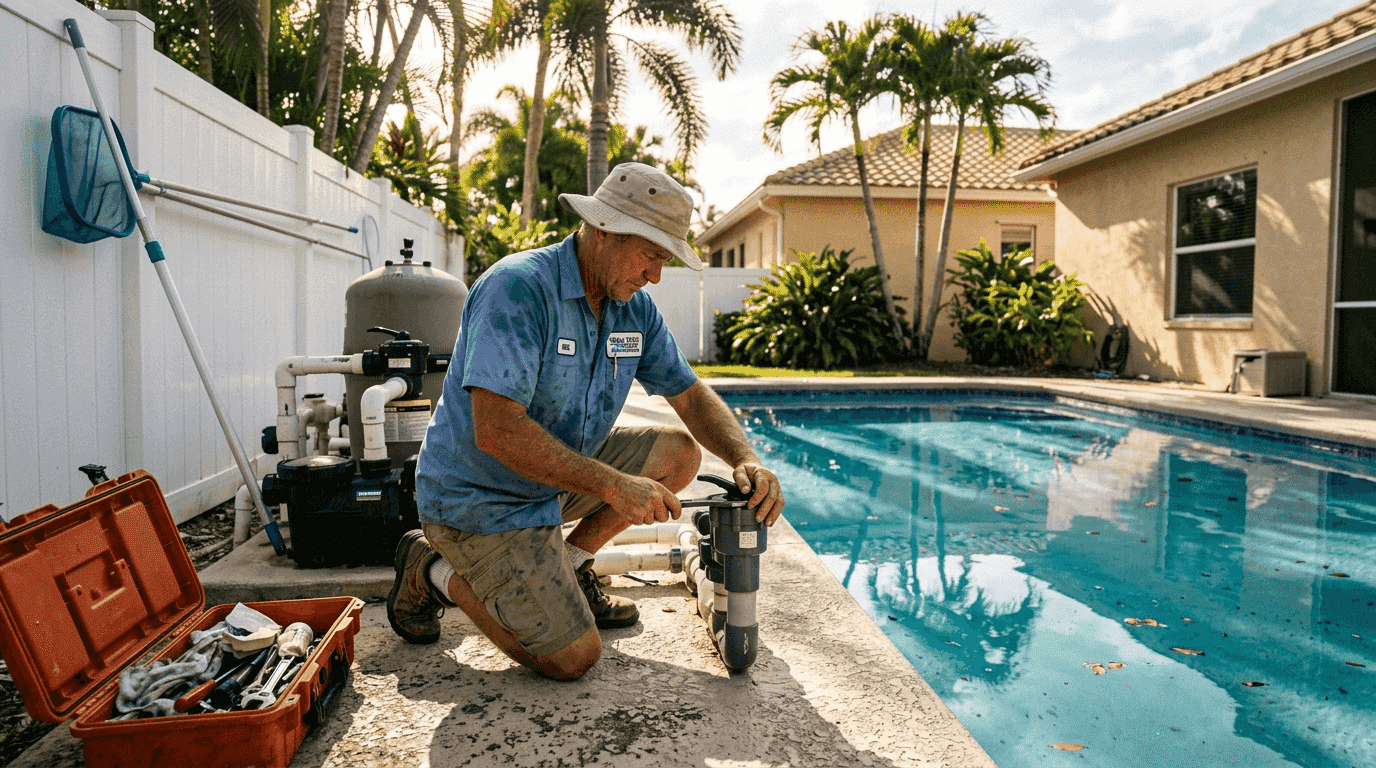
Florida homeowners often overlook a startling reality: neglecting minor pool repairs creates cascading problems costing thousands more than preventative care. Your pool faces unique challenges from intense humidity, heavy rainfall, and fluctuating temperatures that accelerate wear. This guide reveals how routine maintenance protects your investment, enhances safety, and preserves property value while addressing Florida’s distinct climate demands.
Table of Contents
- Understanding The Financial Benefits Of Routine Pool Repairs
- Enhancing Safety Through Regular Pool Inspections And Repairs
- Preserving Property Value And Curb Appeal With Routine Pool Care
- Navigating Florida-Specific Challenges In Pool Maintenance And Repairs
- Explore Quality Pool Repair And Resurfacing Solutions In Florida
Key takeaways
| Point | Details |
|---|---|
| Financial savings | Routine maintenance reduces costs by 30-40% over five years compared to reactive repairs. |
| Enhanced safety | Regular inspections prevent hazards like faulty equipment, water chemistry imbalances, and structural damage that cause accidents. |
| Property value preservation | Well-maintained pools increase market value by 5-10%, making your investment work harder. |
| Florida-specific needs | High humidity and rainfall demand specialized chemical balancing and structural monitoring unique to Central Florida pools. |
| Emergency prevention | Catching minor issues early stops catastrophic failures that drain budgets and disrupt pool use for weeks. |
Understanding the financial benefits of routine pool repairs
You face a critical choice: pay small amounts regularly or face massive emergency bills later. Preventative maintenance reduces costly emergencies by addressing problems before they escalate. A $150 pump seal replacement today prevents a $2,500 pump failure next month.
Reactive maintenance creates a financial death spiral. You ignore a small crack, water seeps behind pool walls, and suddenly you need structural repairs costing $8,000 or more. Proactive maintenance lowers annual repair costs by up to 40%, freeing money for family activities instead of emergency fixes.
Consider typical equipment lifespans with proper care. Pool pumps last 8-12 years with regular servicing versus 4-6 years when neglected. Filters perform optimally for 5-7 years with routine cleaning, but fail in 2-3 years without attention. Your heater investment stretches 10-15 years with maintenance compared to 5-8 years under reactive approaches.
Pro Tip: Schedule quarterly professional inspections during off-peak months when technicians offer better rates and availability. Mark your calendar for February, May, August, and November to catch seasonal issues before peak swimming season.
Florida homeowners save substantially over time through consistent upkeep:
- Avoided pump replacements save $1,200-$2,800 per incident
- Prevented heater failures preserve $2,500-$5,000 investments
- Early leak detection stops $500-$3,000 in water damage repairs
- Regular filter maintenance extends lifespan by 50-100%
- Chemical balance monitoring prevents $1,500-$4,000 in surface etching repairs
Partnering with experienced professionals like the role of pool professionals ensures comprehensive assessments that untrained eyes miss. These experts identify subtle warning signs, calibrate equipment precisely, and implement solutions tailored to your pool’s specific configuration and usage patterns.
Enhancing safety through regular pool inspections and repairs
Safety risks lurk beneath beautiful pool surfaces, threatening your family and guests. Faulty electrical systems, slippery surfaces, damaged drains, and chemical imbalances create hazards that routine inspections eliminate. Pool safety and reduced health risks improve dramatically when professionals monitor conditions regularly.
Common dangers detected during professional assessments include malfunctioning ground fault circuit interrupters that fail to prevent electrocution, loose or broken tiles creating sharp edges and trip hazards, deteriorating pool surfaces harboring bacteria, inadequate drain covers risking entrapment, and unbalanced water chemistry causing skin irritation or illness. Each issue demands immediate attention to protect swimmers.
Professional technicians bring specialized knowledge and diagnostic tools unavailable to typical homeowners. They measure electrical continuity, test water samples against strict standards, inspect structural integrity with trained eyes, and verify safety equipment meets current regulations. This expertise provides peace of mind that DIY approaches cannot match.
“Regular professional maintenance transforms pools from potential liability into safe recreational assets. Homeowners who invest in quarterly inspections report 75% fewer safety incidents and insurance claims compared to those relying solely on occasional DIY care.” — National Swimming Pool Foundation Safety Report
Implement these safety maintenance priorities in order:
- Verify electrical systems and GFCI protection function correctly every three months
- Test water chemistry weekly and adjust sanitizer, pH, and alkalinity as needed
- Inspect all drains, covers, and suction outlets monthly for damage or blockages
- Examine pool surfaces for cracks, loose tiles, or rough patches requiring repair
- Check safety equipment including ladders, handrails, and diving boards quarterly
- Review fencing, gates, and alarm systems to ensure proper operation and compliance
The professional pool service benefits extend beyond simple cleaning to comprehensive safety audits. Technicians document conditions over time, track trends indicating developing problems, and recommend preventative measures before hazards emerge. This systematic approach protects your most valuable assets: your family and friends.
Preserving property value and curb appeal with routine pool care
Your pool represents a significant investment that directly influences property marketability and sale price. Impact of pool upkeep on property value demonstrates that maintained pools command premiums, while neglected ones become negotiating liabilities. Real estate agents confirm that sparkling pools create powerful first impressions during showings.
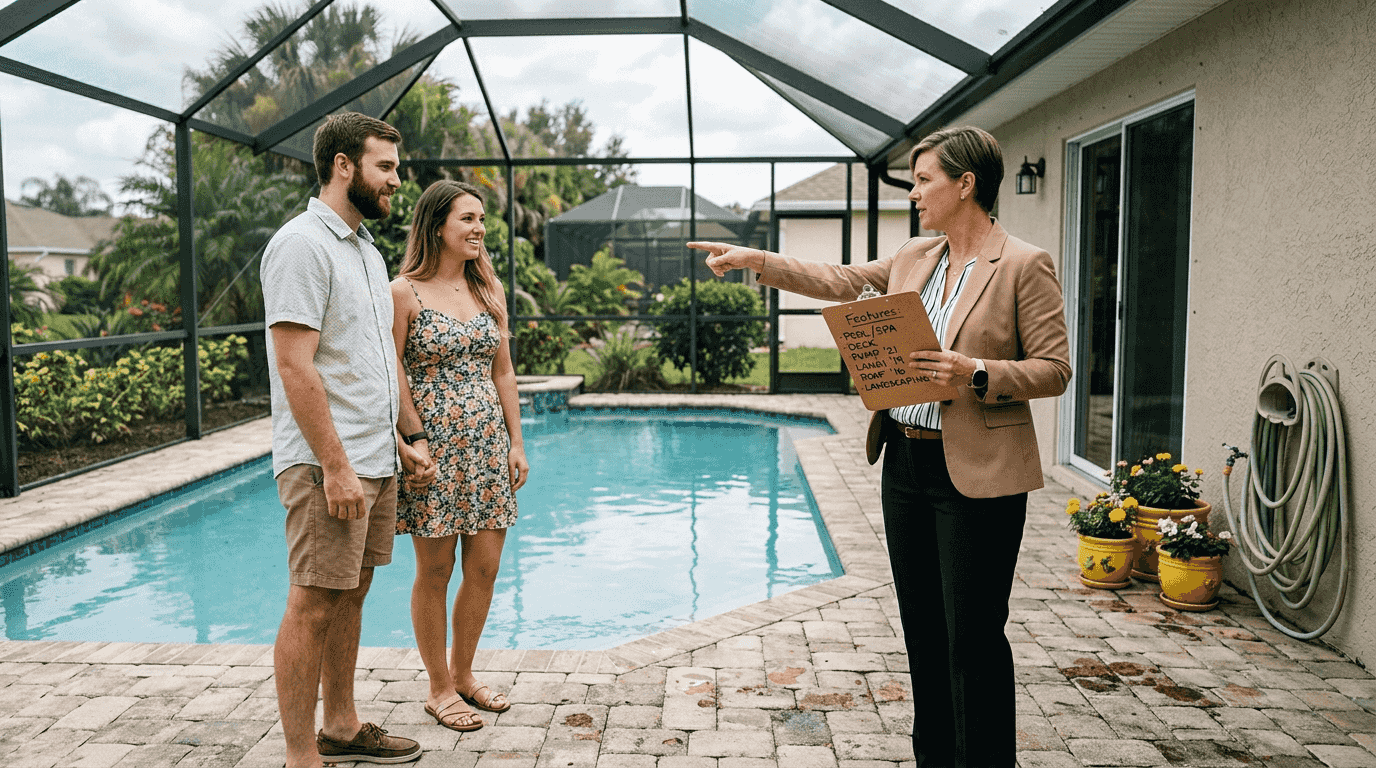
Buyers scrutinize pool conditions carefully, viewing maintenance history as evidence of overall property care. Stained surfaces, cracked tiles, cloudy water, and malfunctioning equipment signal deferred maintenance that justifies lower offers. Conversely, pristine pools suggest responsible ownership and justify asking prices or higher.
Pool aesthetics and value in Florida matter especially in competitive markets where multiple comparable properties vie for buyer attention. Your pool’s visual appeal and operational condition often determine which property receives offers first and at what price point.
| Maintenance aspect | Impact on value | Typical cost | Return on investment |
|---|---|---|---|
| Surface resurfacing | 7-10% increase | $5,000-$8,000 | 150-200% |
| Equipment upgrades | 3-5% increase | $2,000-$4,000 | 100-150% |
| Tile and coping repair | 2-4% increase | $1,500-$3,000 | 125-175% |
| Deck refinishing | 4-6% increase | $3,000-$6,000 | 120-160% |
| Water feature addition | 5-8% increase | $4,000-$10,000 | 80-120% |
Key visual and structural upkeep tasks preserve your investment:
- Resurface pool interiors every 10-15 years to maintain appearance and prevent leaks
- Replace damaged tiles immediately to stop water infiltration behind surfaces
- Clean and seal pool decks annually to prevent cracking and staining
- Update outdated equipment to energy-efficient models reducing operating costs
- Maintain crystal-clear water through proper filtration and chemical balance
- Address cracks and structural issues promptly to prevent expensive escalation
Pro Tip: Schedule major aesthetic improvements like resurfacing 6-12 months before listing your property. This timing allows the pool to showcase beautifully while providing maintenance records demonstrating recent care to prospective buyers.
Explore reasons to renovate your pool and learn pool surface maintenance tips that protect your investment year-round. Strategic upgrades and consistent care transform pools from maintenance burdens into valuable selling points that differentiate properties in crowded markets.
Navigating Florida-specific challenges in pool maintenance and repairs
Central Florida’s climate creates unique maintenance demands that distinguish local pools from those in other regions. Florida’s unique pool repair challenges include intense humidity accelerating equipment corrosion, heavy seasonal rainfall diluting water chemistry, extreme heat promoting algae blooms, and soil movement from water table fluctuations causing structural shifts.
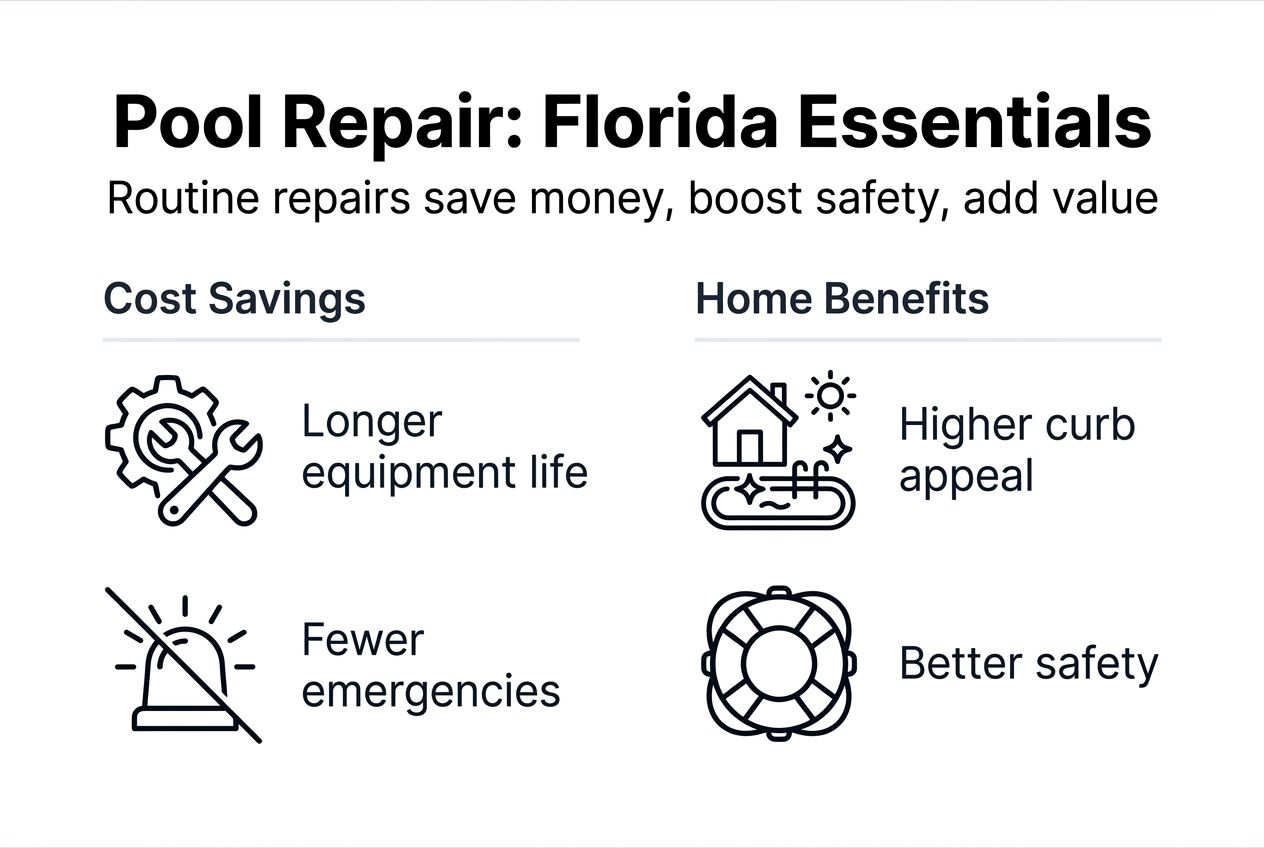
Orlando and Jacksonville homeowners face persistent algae battles during summer months when temperatures and sunlight create ideal growth conditions. Your pool becomes a science experiment where microscopic organisms multiply rapidly without vigilant chemical management. Traditional maintenance schedules from northern climates fail spectacularly in Florida’s subtropical environment.
| Challenge | Northern pools | Florida pools | Solution approach |
|---|---|---|---|
| Algae growth | Seasonal issue | Year-round battle | Weekly shocking, consistent chlorine levels |
| Equipment corrosion | Moderate concern | Accelerated damage | Corrosion-resistant materials, regular inspections |
| Chemical consumption | Standard rates | 30-50% higher usage | Automated systems, precise dosing |
| Rainfall impact | Occasional dilution | Frequent rebalancing | Post-storm testing, quick adjustments |
| Structural movement | Minimal shifting | Common crack development | Flexible repair materials, foundation monitoring |
Water chemistry management in Florida pools requires precision and consistency that casual approaches cannot achieve. Proper pH and chlorine balance prevent algae growth and equipment damage while maintaining swimmer comfort. Your ideal ranges include pH between 7.2-7.6, chlorine at 1-3 ppm, alkalinity at 80-120 ppm, and calcium hardness at 200-400 ppm.
Best practices for chemical balancing in Central Florida include:
- Test water chemistry twice weekly during summer, weekly during cooler months
- Shock pools after heavy rainfall to restore sanitizer levels quickly
- Use stabilized chlorine to prevent rapid degradation from intense sunlight
- Monitor phosphate levels contributing to algae growth in Florida’s environment
- Adjust alkalinity first, then pH, followed by sanitizer for optimal results
- Run circulation systems longer during hot weather to prevent stagnant zones
Pro Tip: Partner with technicians familiar with Florida’s specific conditions rather than general pool services. Local expertise makes the difference between frustration and effortless pool enjoyment throughout the year.
The Florida pool water chemistry guide provides detailed strategies for managing your pool efficiently while reducing chemical costs. Understanding these regional nuances helps you make informed decisions about service frequency, equipment selections, and maintenance priorities aligned with Central Florida’s demanding climate.
Explore quality pool repair and resurfacing solutions in Florida
Maintaining your pool’s safety, beauty, and value requires expertise tailored to Florida’s unique challenges. Classic Marcite brings over 35 years of specialized experience serving Orlando and Jacksonville homeowners with comprehensive professional pool repair service that addresses the climate-specific issues discussed throughout this guide.

Our services tackle everything from routine maintenance to complete transformations through Florida pool resurfacing overview using premium materials like Pebble Tec that withstand harsh conditions. Whether you need minor repairs or major renovations, our certified technicians deliver solutions that extend pool lifespan and enhance enjoyment.
Jacksonville property managers and homeowners benefit from our Jacksonville pool renovation services designed specifically for Northeast Florida’s coastal environment. We understand local soil conditions, water tables, and weather patterns that influence repair strategies and material selections.
Scheduling regular professional service prevents the costly emergencies and safety hazards we’ve explored. Contact Classic Marcite today for a comprehensive assessment and discover how expert care transforms your pool into a lasting investment.
FAQ
How often should I schedule routine pool repairs and maintenance?
Florida pools require at least monthly professional inspections combined with weekly basic maintenance including skimming, chemical testing, and filter cleaning. Seasonal deep cleans before summer and after fall prepare your pool for peak usage and winter dormancy. This frequency catches developing issues before they become expensive emergencies.
What are the warning signs that my pool needs urgent repairs?
Visible cracks in surfaces or decking, persistent water loss exceeding normal evaporation, unusual grinding or squealing noises from pumps or filters, and inability to maintain proper chemical balance despite regular treatment all signal urgent problems. Cloudy water that won’t clear, equipment repeatedly tripping breakers, and structural settling around the pool also demand immediate professional assessment to prevent further damage.
Can I perform routine pool repairs myself or should I hire a professional?
Simple maintenance tasks like skimming debris, vacuuming, and adding chemicals suit most homeowners with proper training and testing equipment. However, equipment repairs, leak detection, structural assessments, and complex chemical balancing require certified professionals to prevent safety hazards and ensure code compliance. The role of pool professionals becomes critical for diagnosing root causes rather than treating symptoms, saving money long-term through accurate solutions.
How does routine maintenance affect my water bills?
Routine repairs prevent leaks that waste thousands of gallons monthly, directly reducing your water expenses. Leak detection reduces water loss and expenses significantly, with homeowners reporting 20-40% lower water bills after addressing hidden leaks. Regular equipment maintenance also optimizes filtration efficiency, reducing backwash frequency and associated water consumption that adds up over months and years.