TL;DR:
- Neighborhood pool renovations showcase real-life examples that help homeowners plan effective upgrades.
- Most renovations involve resurfacing, deck repairs, equipment updates, and feature additions for better aesthetics and function.
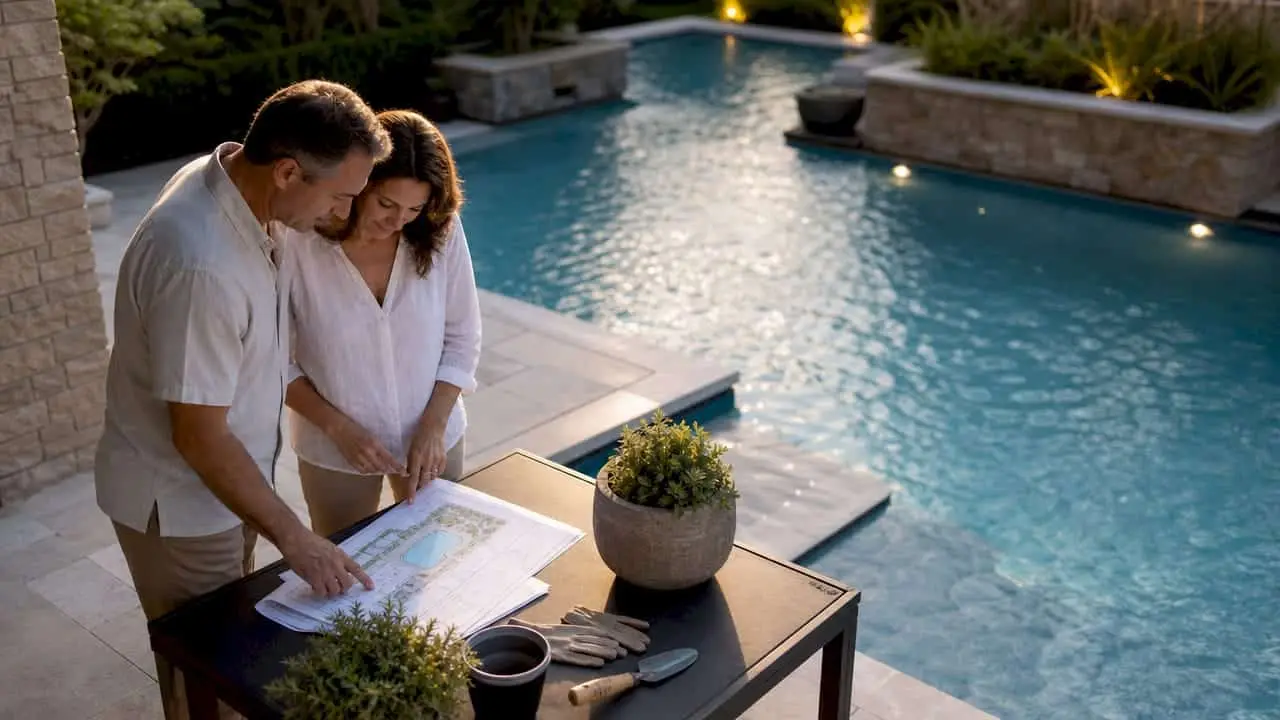
Pool renovation neighborhood examples are real-life project collections from residential communities that show homeowners exactly what a remodel looks like before they commit to one. These examples cover everything from basic resurfacing to full backyard overhauls, giving you a concrete reference point instead of a catalog photo. Most residential pools need major resurfacing every 8–15 years, with premium pebble or quartz finishes lasting over 20 years with proper care. Knowing what your neighbors have done, and what worked, is the fastest way to plan a renovation that fits your home, your budget, and your lifestyle.
1. What are the most common pool renovation types seen in neighborhoods?
Neighborhood renovation projects fall into four main categories: resurfacing, deck upgrades, equipment modernization, and feature additions. Most homeowners tackle at least two of these at once, since the pool is already drained and the crew is already on site.
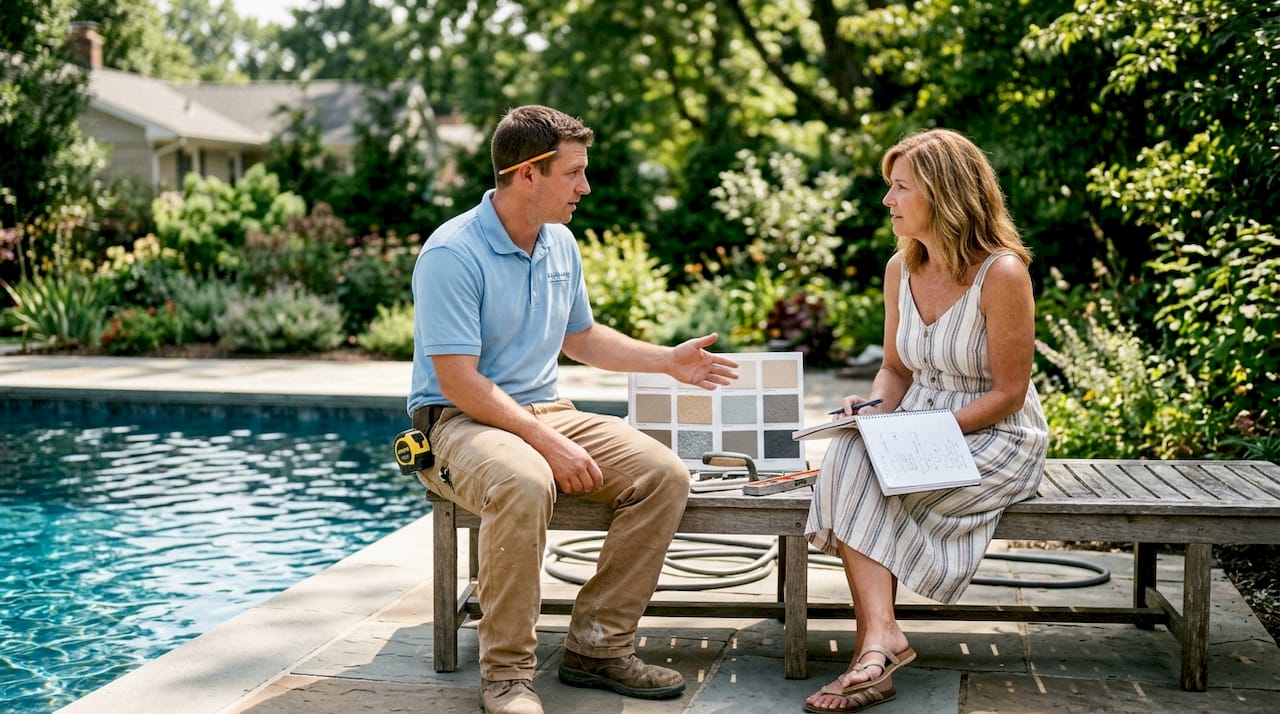
Resurfacing is the most frequent upgrade. White plaster surfaces show wear from about seven years onward, which is why you see so many neighborhood pools switching to pebble or quartz finishes. These materials last significantly longer and hold their color better in Florida’s sun.
Deck upgrades rank second. Cracked or faded concrete decking is a safety issue and an eyesore. Neighborhood projects commonly replace plain concrete with pavers, travertine, or brushed concrete, which all pair well with updated coping styles like natural stone or brick.
Equipment modernization covers pump replacements, variable-speed motors, and LED lighting. These upgrades reduce energy costs and are often bundled with resurfacing since the pool is already out of service.
Feature additions include waterfalls, tanning ledges, spa attachments, and fire bowls. These are the upgrades that get the most attention in neighborhood walkthroughs because they change how a pool feels, not just how it looks.
Pro Tip: When you see a neighbor’s pool renovation that appeals to you, ask which contractor they used and whether they bundled multiple upgrades. Bundled projects almost always cost less per element than separate jobs.
2. How neighborhood examples show technology and sustainability upgrades
Technology upgrades appear in neighborhood renovations far more often than most homeowners expect. The shift is driven by one practical benefit: less time spent on manual maintenance.
Pool automation features, including smart lighting and heating controls, improve maintenance efficiency by up to 70%. That number reflects real savings in chemical use, energy consumption, and labor time. Homeowners who add app-based controls report that they spend a fraction of the time on routine tasks compared to manual systems.
Common technology upgrades seen in local projects include:
- App-controlled lighting: LED systems that shift color and intensity from a smartphone, eliminating the need to be at the pool to adjust settings.
- Automated heating: Variable-speed heat pumps paired with scheduling apps that pre-warm the pool before use without running continuously.
- Smart chemical dosing: Automated dispensers that monitor pH and chlorine levels and adjust dosing in real time.
- Variable-speed pumps: Energy-efficient motors that run at lower speeds during off-peak hours, cutting electricity costs significantly.
Sustainability choices show up in surface materials too. Pebble and quartz finishes require fewer chemical treatments than white plaster because their denser surfaces resist algae growth more effectively.
“A successful renovation aligns the pool with the family’s lifestyle, such as adding app-based automation to reduce maintenance effort. Modern functionality improves user experience beyond cosmetic upgrades.”
Classicmarcite’s work across Orlando and Jacksonville confirms this pattern. Homeowners who upgrade pool equipment alongside resurfacing consistently report higher satisfaction because the pool becomes easier to own, not just better to look at.
3. Which design styles and material upgrades are trending in neighborhoods
Surface finish is the single biggest visual decision in any pool renovation. The finish determines color, texture, and how the water looks on a sunny afternoon.
Popular surface finishes
| Finish type | Durability | Visual effect | Best for |
|---|---|---|---|
| White plaster | 7–10 years | Bright, classic blue water | Budget-conscious projects |
| Quartz blend | 12–17 years | Richer color, sparkle | Mid-range renovations |
| Pebble Tec® | 20+ years | Natural, deep color tones | Long-term investment |
| Natural stone tile | 20+ years | High-end, custom look | Feature walls and spas |
Popular pool surface finishes across neighborhoods include pebble, quartz, and various tile styles that offer both durability and a clear aesthetic upgrade over aging plaster. Coping materials follow a similar range: concrete is the most affordable, natural stone delivers the most visual impact, and brick suits traditional home styles.
Landscaping integration is the element that separates a good renovation from a great one. Syncing pool lighting and materials with patios and gardens creates a cohesive environment that makes the entire backyard feel designed rather than assembled. Neighborhood examples that include coordinated hardscapes, such as matching travertine on the deck and coping, consistently receive the strongest visual response from other homeowners.
Pro Tip: Before choosing a finish color, visit a neighbor’s pool with a similar finish at different times of day. Water color shifts dramatically between morning light and afternoon sun, and a finish that looks perfect at noon can appear washed out at 8 AM.
Classicmarcite is the largest Pebble Tec® applicator in Central Florida, which means homeowners in Orlando and Jacksonville have direct access to the full Pebble Tec® color range and application expertise. Reviewing the residential pool gallery shows the range of finishes and styles applied across actual neighborhood projects in the region.
4. What lessons homeowners can learn from neighborhood renovation projects
Neighborhood examples teach five practical lessons that save time, money, and frustration.
1. Bundle your upgrades. Project bundling — combining resurfacing, tile replacement, and coping installation — reduces costs and downtime by limiting pool draining and surface prep to a single event. Homeowners who separate these jobs pay for mobilization, draining, and setup multiple times.
2. Plan around realistic timelines. Standard pool renovations take between 3 and 8 weeks. Simple resurfacing finishes in 1–2 weeks when no delays occur. Complex projects involving structural changes, new decking, and water features take longer. Schedule your renovation for late winter or early spring so the pool is ready before peak swim season.
3. Maintain your deck alongside the pool. A freshly resurfaced pool next to a cracked, stained deck looks unfinished. Keeping your pool deck clean and in good condition extends the life of the surrounding hardscape and protects the renovation investment you just made.
4. Prioritize surface longevity over upfront cost. Neighborhood examples consistently show that homeowners who chose white plaster to save money end up resurfacing again within a decade. Pebble and quartz finishes cost more upfront but deliver a longer service life and lower long-term maintenance costs. The role of resurfacing in pool longevity is well documented: the right material choice directly affects how often you need to repeat the process.
5. Work with a licensed local contractor. Neighborhood examples where the renovation failed almost always share one cause: an unlicensed or out-of-area contractor who did not understand local soil conditions, permit requirements, or climate factors. Florida pools face specific challenges from heat, humidity, and chemical demand that a local specialist handles differently than a general contractor.
6. Think about home value from the start. A renovated pool supports or increases home value in established neighborhoods, especially when it includes updated aesthetics and equipment. The impact depends on the local market, but a well-executed renovation rarely hurts resale prospects and often accelerates a sale.
7. Ask about maintenance intervals before you choose a finish. Different surfaces require different care schedules. Knowing the maintenance demands of your chosen finish before installation prevents surprises and helps you budget for ongoing upkeep.
Key Takeaways
Pool renovation neighborhood examples prove that bundling upgrades, choosing durable finishes, and integrating technology delivers the best long-term results for homeowners.
| Point | Details |
|---|---|
| Bundle upgrades together | Combining resurfacing, coping, and tile in one project cuts labor and setup costs. |
| Choose finishes for longevity | Pebble and quartz finishes last 20+ years; white plaster shows wear by year seven. |
| Add automation early | Smart controls reduce maintenance effort by up to 70% compared to manual systems. |
| Integrate landscaping | Matching deck materials and lighting to the pool creates a cohesive backyard design. |
| Plan your timeline | Most renovations take 3–8 weeks; schedule for late winter to be ready for summer. |
What I’ve learned from years of watching neighborhood renovations
The homeowners who get the most out of their renovation are the ones who treat it as a systems decision, not a cosmetic one. They do not just pick a finish color and call it done. They ask how the pool will feel to own in five years, not just how it will look on the day it fills.
The biggest surprise I see repeatedly is how much automation changes daily life. Homeowners who add app-based controls almost universally say they wish they had done it sooner. The pool stops being a chore and starts being something they actually use more often.
The second lesson is about landscaping. A pool that does not connect visually to the surrounding yard always looks like an afterthought. The neighborhood examples that generate the most admiration are the ones where the coping, the deck, the plantings, and the lighting all speak the same design language. That coordination does not require a massive budget. It requires a plan.
My honest recommendation: walk your neighborhood before you call a contractor. Look at pools that are five years old, ten years old, and freshly renovated. Notice which finishes have held up and which have faded. Notice which decks still look clean and which have cracked. Those observations will tell you more than any brochure.
— Results
Classicmarcite’s pool renovation services for Florida homeowners
Classic Marcite has resurfaced over 100,000 pools since 1988, working across Orlando, Jacksonville, and surrounding Florida communities. That depth of experience shows up in the quality of finish work and the accuracy of project timelines.

Homeowners who have read through neighborhood examples and are ready to act can request a free estimate directly from Classicmarcite. The team specializes in pool resurfacing and remodeling that matches the design trends and durability standards covered in this article. For homeowners in specific areas, Classicmarcite offers dedicated services including pool resurfacing in The Villages and surrounding Central Florida communities. The process starts with a site assessment and a clear scope of work, so you know exactly what you are getting before any work begins.
FAQ
How long does a typical pool renovation take?
Standard pool renovations take between 3 and 8 weeks. Simple resurfacing finishes in 1–2 weeks, while full remodels with structural changes and new features take longer.
How often does a residential pool need resurfacing?
Most residential pools require major resurfacing every 8–15 years. Premium pebble or quartz finishes can last over 20 years with consistent care.
What is the benefit of bundling pool renovation upgrades?
Bundling resurfacing, tile, and coping into one project limits pool draining and surface prep to a single event, which reduces total labor and setup costs compared to scheduling each upgrade separately.
Which pool surface finish lasts the longest?
Pebble Tec® and natural stone tile finishes last 20 or more years with proper maintenance. White plaster is the shortest-lived option, showing visible wear from around year seven onward.
Does a pool renovation increase home value?
A renovated pool with updated aesthetics and equipment supports or increases home value in established neighborhoods. The actual impact depends on the local market and the home’s price tier.
