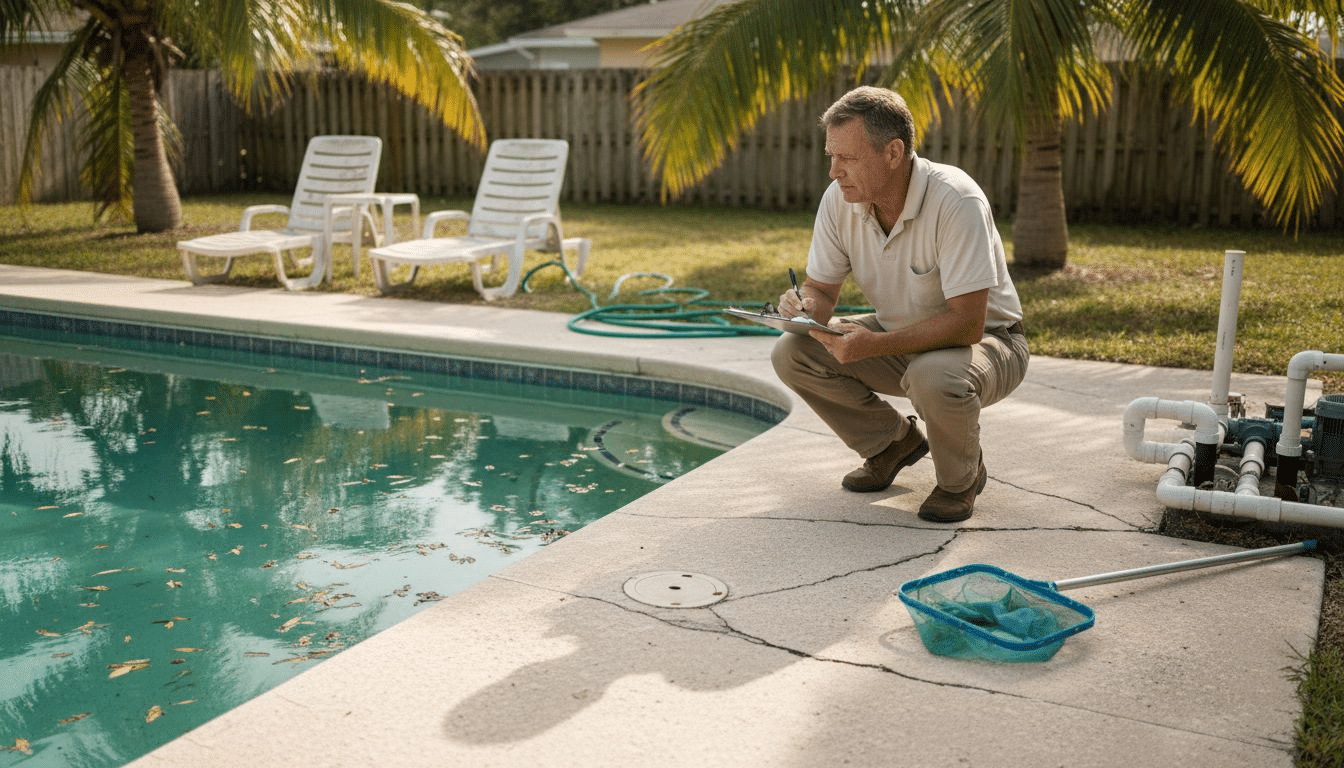
Planning a swimming pool renovation in Florida can feel overwhelming when you are unsure where to start. Whether your pool needs a facelift or a full structural upgrade, tackling this project requires more than just a vision. From hidden water quality issues to deck repairs, every stage offers its own challenges.
This guide promises you clear, step-by-step advice grounded in proven best practices. You will uncover practical tips on everything from checking pool safety to choosing resurfacing materials built for durability and low maintenance. Each insight helps you make smarter decisions, avoid common pitfalls, and maximize the value of your renovation.
Get ready to discover the key actions that can turn your pool project into a smooth, successful upgrade, all while protecting your investment and peace of mind.
Table of Contents
- Assess The Current State Of Your Pool
- Determine Your Renovation Goals And Budget
- Choose High-Quality Resurfacing Materials
- Plan Tile, Deck, And Equipment Repairs
- Review Contractor Credentials And Experience
- Schedule Renovation Timeline And Weather Considerations
- Inspect Final Work And Ensure Maintenance Plans
Quick Summary
| Key Message | Explanation |
|---|---|
| 1. Inspect Your Pool Thoroughly | Conduct a detailed assessment to identify repairs needed before renovations begin to avoid future complications. |
| 2. Set Clear Renovation Goals and Budget | Define specific objectives and develop a budget based on realistic quotes to guide your renovation effectively. |
| 3. Choose Durable Resurfacing Materials | Select high-quality materials to enhance the pool’s longevity and performance under local environmental conditions. |
| 4. Plan Comprehensive Equipment Repairs | Address all components, including decking and equipment, to ensure safety and efficiency during and after renovations. |
| 5. Verify Contractor Credentials | Research and confirm the contractor’s qualifications and experience to ensure successful project execution and reliability. |
1. Assess the Current State of Your Pool
Evaluating your pool’s condition is the foundational first step in any successful renovation journey. This critical assessment helps you understand exactly what repairs or upgrades your swimming pool requires before investing time and money into a comprehensive renovation project.
A thorough pool assessment involves multiple key components, starting with a comprehensive structural and aesthetic evaluation. Professional inspectors will examine the pool shell for potential cracks, surface degradation, and signs of wear that might compromise its integrity. These inspections go beyond simple visual checks and include detailed structural integrity assessments that identify potential safety risks and functional limitations.
Your evaluation should cover several critical areas: the pool surface condition, deck stability, water circulation systems, and overall structural health. Look for warning signs like surface roughness, visible cracks, persistent water chemistry imbalances, or areas of discoloration that might indicate underlying issues.
The examination process typically includes checking tile work, analyzing the pool’s interior finish, inspecting equipment like pumps and filters, and assessing the deck’s condition. Water quality testing is also crucial, as it reveals potential maintenance needs and helps determine whether complete resurfacing is necessary.
Key Areas to Inspect:
- Pool shell and surface condition
- Tile and grout integrity
- Deck structural stability
- Water circulation and filtration systems
- Chemical balance and water quality
- Equipment functionality
Pro tip: Schedule a professional pool inspection before beginning your renovation to get a comprehensive, expert assessment of your pool’s current state and potential restoration requirements.
2. Determine Your Renovation Goals and Budget
Planning a pool renovation requires strategic thinking and financial preparation. Your goals and budget will serve as the roadmap for transforming your swimming pool from its current state to your desired vision.
Understanding national remodeling trends can help you make informed decisions. Remodeling activity indicators suggest that homeowners are increasingly investing in home improvement projects that enhance both aesthetic appeal and functional value. For pool renovations, this means considering improvements that not only look great but also increase your property’s overall worth.
Key Considerations for Renovation Goals:
- Aesthetic improvements
- Structural repairs
- Energy efficiency upgrades
- Safety enhancements
- Increased property value
Budget planning is critical. National data shows that median renovation budgets typically range around $15,000, though pool projects can vary widely based on scope and desired outcomes. Start by obtaining multiple professional quotes and creating a comprehensive budget that includes:
Budget Allocation Breakdown:
- Resurfacing costs
- Equipment replacement
- Structural repairs
- Design and aesthetic upgrades
- Contingency fund (10 15% of total budget)
Consider your long term goals. Are you renovating to improve swimming experience, increase home value, or address critical maintenance issues? Each objective will influence your budget and renovation approach.
Pro tip: Create a prioritized list of renovation goals and allocate your budget accordingly, ensuring you can complete the most critical improvements first if financial constraints arise.
3. Choose High-Quality Resurfacing Materials
Selecting the right pool resurfacing materials is a critical decision that directly impacts your pool’s longevity, aesthetic appeal, and overall performance. Your choice will determine not just how your pool looks, but how well it withstands Florida’s challenging environmental conditions.
Modern pool resurfacing technologies offer remarkable options for durability and visual appeal. Micro surfacing techniques demonstrate how advanced materials can significantly extend wear life and enhance surface protection. These innovative approaches go beyond simple cosmetic upgrades, providing comprehensive solutions that improve water resistance and structural integrity.
Essential Resurfacing Material Characteristics:
- Water resistance
- Durability
- Aesthetic versatility
- Chemical stability
- Temperature tolerance
- Slip resistance
- Long term performance
When evaluating resurfacing materials, consider multiple factors including climate exposure, pool usage, maintenance requirements, and your specific aesthetic preferences. Premium materials might have higher upfront costs but typically offer substantial long term value through reduced maintenance and extended lifespan.
Material Options to Consider:
- Pebble finishes
- Quartz based surfaces
- Plaster variants
- Aggregate materials
- Ceramic tile overlays
Professional installation is equally important as material selection. Proper preparation and application ensure that your chosen surface performs optimally and maintains its visual appeal for years to come.
Pro tip: Request material samples and performance documentation from your contractor, comparing warranty terms and expected lifespan before making a final selection.
4. Plan Tile, Deck, and Equipment Repairs
Pool renovations extend beyond surface aesthetics and require comprehensive planning for tiles, decking, and critical equipment. A strategic repair approach protects your investment and ensures optimal pool functionality for years to come.
Deck inspection processes reveal that thorough evaluations are essential for identifying potential structural vulnerabilities. Professional assessments examine multiple components including ledger boards, joists, footings, and connection points to guarantee safety and prevent future complications.
Critical Areas to Evaluate:
- Structural deck integrity
- Tile adhesion and grout condition
- Equipment performance and efficiency
- Moisture intrusion points
- Fastener and support system stability
Tile repairs demand meticulous attention. Professional installation requires skilled craftsmanship and premium materials that accommodate natural movement and environmental stress. This means incorporating strategic expansion joints and following industry best practices to prevent future failure.
Equipment Repair Considerations:
- Pump system functionality
- Filtration mechanisms
- Electrical connections
- Plumbing integrity
- Heating elements
Your repair strategy should prioritize safety, efficiency, and long term performance. Address minor issues proactively to prevent more extensive and expensive repairs down the line. Consider professional assessments that provide comprehensive diagnostics and detailed repair recommendations.
Pro tip: Request detailed written documentation of all proposed repairs, including materials specifications, expected lifespan, and warranty terms to make informed renovation decisions.
5. Review Contractor Credentials and Experience
Selecting the right pool renovation contractor is a critical decision that can make or break your entire renovation project. Your chosen professional will determine the quality, durability, and overall success of your pool transformation.
Contractor performance assessment systems provide valuable insights into a contractor’s reliability and track record. These objective evaluations help homeowners make informed decisions beyond surface level marketing claims.
Essential Credential Verification Checklist:
- Active state licensing
- Comprehensive insurance coverage
- Proven pool renovation experience
- Positive customer references
- Professional certifications
- Clean legal and professional record
- Specialized pool renovation expertise
Beyond basic documentation, investigate the contractor’s specific experience with pool renovations in your local area. Florida’s unique climate and environmental conditions require specialized knowledge that goes beyond generic construction skills.
Key Documentation to Request:
- Current contractor license
- Proof of liability insurance
- Worker’s compensation documentation
- Portfolio of completed pool renovation projects
- Client testimonials and references
- Warranty information
Do not hesitate to conduct thorough background research. Request detailed project portfolios, speak with past clients, and verify all professional credentials. A reputable contractor will welcome your diligence and transparency.
Pro tip: Request and personally contact at least three references, asking specific questions about project completion time, budget adherence, and overall satisfaction with the contractor’s work.
6. Schedule Renovation Timeline and Weather Considerations
Pool renovations require strategic timing and careful planning, especially in Florida’s unpredictable climate. Understanding how weather patterns impact your project is crucial for ensuring smooth execution and protecting your investment.
Renovation project timelines demand comprehensive planning that accounts for seasonal variations and potential environmental challenges. Florida homeowners must navigate unique weather considerations that can significantly impact pool renovation schedules.
Ideal Renovation Scheduling Factors:
- Temperature and humidity levels
- Seasonal precipitation patterns
- Potential storm risks
- Material curing requirements
- Optimal working conditions
The best renovation windows in Florida typically occur during the drier months between late fall and early spring. This period offers more stable weather conditions and reduces the risk of rain related project delays. Avoid scheduling major work during hurricane season or the peak of summer when extreme heat can complicate material application and curing processes.
Weather Impact Considerations:
- Concrete and resurfacing material curing times
- Moisture absorption risks
- Temperature sensitivity of renovation materials
- Potential project extension due to weather interruptions
- Equipment and material protection strategies
Professional contractors will build flexibility into the project timeline, accounting for potential weather related setbacks. Communication and adaptability are key to managing renovation schedules effectively.
Pro tip: Build a 10 to 15 percent time buffer into your renovation schedule to accommodate unexpected weather delays or material curing requirements.
7. Inspect Final Work and Ensure Maintenance Plans
The final stage of pool renovation is not just about admiring your newly transformed space but ensuring its long term quality and performance. A comprehensive final inspection and robust maintenance strategy are crucial to protecting your significant investment.
Maintenance planning strategies provide a systematic approach to preserving your pool’s renewed condition. Professional inspection goes beyond superficial assessment, diving deep into structural integrity, material quality, and functional performance.
Critical Final Inspection Checklist:
- Surface smoothness and finish quality
- Tile alignment and grout integrity
- Equipment functionality
- Structural alignment and stability
- Water circulation system performance
- Chemical balance compatibility
- Safety feature verification
A thorough inspection should involve testing all mechanical systems, verifying surface curing, and ensuring every aspect of the renovation meets your original project specifications. Request detailed documentation from your contractor, including warranties, material specifications, and recommended maintenance protocols.
Comprehensive Maintenance Plan Components:
- Routine cleaning schedule
- Chemical balance monitoring
- Seasonal equipment checks
- Surface care instructions
- Repair and replacement thresholds
- Professional inspection intervals
Understand that maintenance is an ongoing commitment. Regular care prevents minor issues from becoming expensive repairs and helps maintain your pool’s aesthetic and functional quality over time.
Pro tip: Create a digital maintenance log to track all pool care activities, professional inspections, and repairs, which will help you stay proactive and preserve your renovation investment.
Below is a comprehensive table summarizing the key points and insights provided in the article about renovating a swimming pool effectively.
| Main Step | Key Considerations and Actions | Benefits and Outcomes |
|---|---|---|
| 1. Assess the Current State | Evaluate the pool’s structural and aesthetic integrity meticulously. Check surfaces, tiles, deck stability, and water systems. | Identify repairs or upgrades needed to ensure a solid foundation for renovation. |
| 2. Set Goals and Budget | Define renovation objectives like safety, aesthetics, and functionality. Allocate budget based on cost estimates for identified areas. | Clear renovation direction and financial management improve project effectiveness. |
| 3. Choose Resurfacing Materials | Evaluate options like pebble, quartz, or plaster finishes based on durability and appearance. Select materials suitable for your environment. | Enhance the pool’s appearance and lifespan with quality surface finishes. |
| 4. Plan Structural and Equipment Repairs | Inspect and repair tiles, decking, plumbing, filtration, and heating systems as needed. Address potential vulnerabilities. | Preserve long-term value and prevent future issues. Enhance safety and efficiency. |
| 5. Hire Professional Contractors | Ensure their credibility by checking licenses, insurance, references, and expertise specifically in pool renovations. | Engage reliable professionals delivering high-quality results and adhering to timelines. |
| 6. Schedule Renovation Timeline | Adapt plans to favor a time according to climate, like Florida’s drier months. Consider weather impacts on material curing. | Prevent weather-related delays and ensure optimal conditions for renovation tasks. |
| 7. Inspect Final Outcome | Conduct detailed inspections post-renovation. Include functional system testing and surface quality checks. | Confirm completed work meets specifications and prepare for a sustainable maintenance strategy. |
Transform Your Pool Renovation Vision into Reality with Classic Marcite
Taking on a complete pool renovation involves many critical steps from assessing your pool’s current condition to choosing the right resurfacing materials and scheduling repairs for tiles, decks, and equipment. If you want to avoid costly mistakes and ensure your pool is not only beautiful but built to last in Florida’s unique climate, trust the experts who specialize in these very challenges. Classic Marcite has resurfaced over 100,000 pools using premium materials like Pebble Tec® to deliver durability, elegance, and lasting performance.

Ready to move beyond the checklist and start your pool’s transformation today? Visit Classic Marcite to explore how our experienced team can handle every step of your project—from professional assessments and resurfacing to tile and equipment repairs. Discover why we are Central Florida’s leading pool renovation company by viewing our impressive portfolio and requesting your free estimate now. Don’t wait for another season to pass with a pool that needs improvement. Your ideal swimming retreat is just a click away at Classic Marcite’s pool renovation services.
Frequently Asked Questions
What are the first steps to assess my pool’s condition?
Evaluating your pool’s condition involves a detailed inspection of its structure and aesthetics. Start by checking for cracks, surface damage, and overall wear. Consider scheduling a professional inspection to get a comprehensive assessment before renovation begins.
How do I determine my renovation budget for a pool?
To determine your renovation budget, assess your goals for the project, such as structural repairs or aesthetic upgrades. Collect multiple quotes from contractors and allocate your budget to different components, ensuring you include a contingency fund of about 10–15% for unexpected costs.
What types of resurfacing materials should I consider for my pool?
When selecting resurfacing materials, prioritize durability, water resistance, and aesthetic appeal. Common options include pebble finishes, quartz-based surfaces, and plaster variants. Consult with a professional to evaluate the best materials suited for your pool’s specific needs.
How can I ensure the contractor I choose is qualified for my pool renovation?
Verify that your contractor has active state licensing, comprehensive insurance, and proven experience in pool renovations. Request references from past clients and review their project portfolio to assess their credibility and quality of work.
What should I include in my final pool renovation inspection checklist?
Your final inspection checklist should include checking the surface smoothness, tile alignment, equipment functionality, and overall structural integrity. Arrange for a detailed review of all mechanical systems and request documentation that outlines warranty terms and maintenance protocols.
How often should I perform maintenance on my newly renovated pool?
Regular maintenance of your newly renovated pool should be scheduled routinely, ideally every week or bi-weekly for cleaning and chemical balancing. Set up seasonal equipment checks and keep a digital log of maintenance activities to track care and repairs over time.
Recommended
- Why Renovate Your Pool: Boost Beauty And Value
- Pool Renovation Process: Transforming Florida Pools
- 7 Key Components Of Pool Renovation Every Homeowner Should Know
- Remodeling Older Pools For Lasting Beauty And Durability
- Pool Refinishing Windermere FL
- Pool Renovation Winter Park FL
- Swimming Pool Remodeling The Villages FL