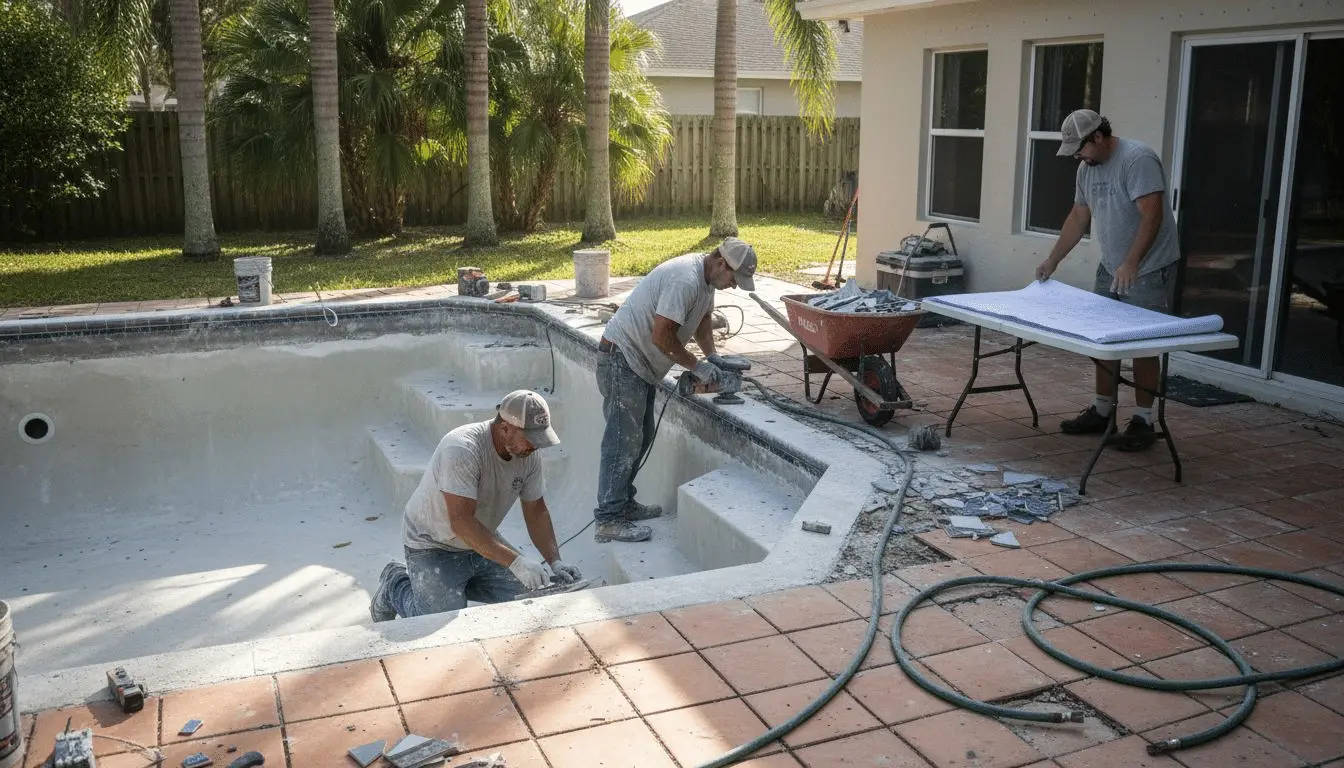
Aging pools in Central Florida lose more than just their visual appeal—over time, nearly 50 percent require major repairs due to extreme weather and humidity. Whether your goal is a resilient finish or that resort-worthy look, american homeowners in Orlando and Jacksonville face unique renovation challenges shaped by harsh sun and heavy storms. This guide explores how targeted renovations can safeguard your investment, enhance beauty, and ensure easier maintenance for years to come.
Table of Contents
- Defining The Pool Renovation Process
- Common Types Of Pool Renovations
- Step-By-Step Pool Renovation Stages
- Material Choices And Modern Upgrades
- Costs, Timelines, And Compliance Issues
- Mistakes To Avoid And Expert Tips
Key Takeaways
| Point | Details |
|---|---|
| Start with a Professional Assessment | Conduct a thorough inspection to identify structural and safety issues before initiating renovations. |
| Prioritize Dual Benefits | Choose renovations that enhance both aesthetics and functionality, maximizing your investment. |
| Understand Costs and Timelines | Be aware that renovation costs vary widely and timelines can extend depending on project complexity. |
| Avoid DIY Shortcuts | Engaging professionals is crucial to avoid costly errors and ensure compliance with local regulations. |
Defining the Pool Renovation Process
Pool renovation is a comprehensive transformation process designed to revitalize aging swimming pools, addressing structural, functional, and aesthetic challenges specific to Florida’s unique climate and environmental conditions. Comprehensive pool modifications involve strategic evaluations and targeted improvements that extend far beyond simple cosmetic updates.
The renovation process typically begins with a thorough professional inspection to identify underlying issues such as structural cracks, deteriorating surfaces, outdated equipment, and potential safety concerns. Experienced pool renovation specialists will systematically assess the pool’s current condition, evaluating factors like concrete integrity, plumbing systems, circulation efficiency, and overall structural stability. This diagnostic phase helps homeowners understand the full scope of potential improvements and develop a strategic renovation plan tailored to their specific needs.
Renovation strategies range from minor cosmetic updates to complete pool shell reconstructions. These may include resurfacing worn plaster, replacing aging tiles, upgrading circulation systems, enhancing safety features, and implementing modern design elements that improve both functionality and visual appeal. The specific approach depends on the pool’s age, condition, and the homeowner’s performance and aesthetic goals.
Pro tip: Schedule your initial pool renovation consultation during Florida’s dry season to ensure faster project completion and potentially lower service rates.
Common Types of Pool Renovations
Pool renovations encompass a wide range of improvements designed to restore, upgrade, and transform swimming pools, addressing both functional and aesthetic needs. Pool resurfacing techniques play a critical role in maintaining a pool’s structural integrity and visual appeal, typically recommended every eight to ten years to prevent deterioration and extend the pool’s lifespan.
The most common types of pool renovations include surface refinishing, which involves replacing worn or damaged pool liners, tiles, and plaster with modern materials like pebble, quartz, or specialized cement finishes. Equipment upgrades represent another significant renovation category, focusing on replacing outdated pumps, filtration systems, and circulation mechanisms to improve energy efficiency and water quality. Some homeowners also opt for structural modifications, such as reshaping pool shells, adding features like swim-out areas, or adjusting depth profiles to enhance functionality and aesthetic appeal.
Aesthetic renovations provide opportunities to completely transform a pool’s appearance and functionality. These may include installing new lighting systems, adding water features like fountains or waterfalls, upgrading deck surfaces, integrating modern safety elements, and implementing smart technology for pool management. The specific renovation approach depends on the pool’s current condition, the homeowner’s budget, and desired performance outcomes.
Here’s a helpful summary of common pool renovation options and their main benefits:
| Renovation Type | Typical Upgrades | Benefits |
|---|---|---|
| Surface Refinishing | Pebble, quartz, cement finishes | Extends lifespan, improves texture |
| Equipment Upgrades | Pumps, filters, smart tech | Raises efficiency, reduces costs |
| Structural Modifications | Shell reshaping, depth adjustment | Boosts functionality, customizes use |
| Aesthetic Enhancements | Lighting, water features, deck updates | Enhances visual appeal, modernizes space |
Pro tip: Prioritize renovations that simultaneously improve both aesthetic appeal and functional efficiency to maximize your investment.
Step-by-Step Pool Renovation Stages
Pool renovation follows a meticulously structured process that transforms aging swimming pools into modern, efficient aquatic spaces. Professional pool renovation stages involve a comprehensive approach that ensures successful project completion and long-lasting results.
The initial stage begins with a detailed professional assessment, where experts conduct an in-depth evaluation of the existing pool’s structural integrity, equipment condition, and potential renovation requirements. This diagnostic phase includes comprehensive measurements, identifying structural issues, assessing surface conditions, and documenting existing equipment functionality. Homeowners work closely with renovation specialists to define specific project goals, whether addressing structural problems, improving aesthetic appeal, or enhancing overall pool performance.
Subsequent stages involve critical technical processes, including obtaining necessary permits, preparing the pool area for renovation, and executing specific renovation tasks. These may include draining the pool, removing existing surfaces, repairing structural damages, installing new finishes, upgrading equipment, and implementing design modifications. The final critical stage involves a specialized startup procedure that requires precise water chemistry management and careful maintenance to protect the newly renovated pool surface.
Pro tip: Document every stage of your pool renovation with photographs and written notes to create a comprehensive record for future maintenance and potential insurance purposes.
Material Choices and Modern Upgrades
Pool renovations have transformed dramatically with innovative materials and cutting-edge technologies that enhance both aesthetic appeal and functional performance. Modern pool renovation materials now offer homeowners unprecedented options for durability, efficiency, and visual sophistication.
Material selection plays a critical role in determining a pool’s long-term performance and appearance. Traditional options like plaster have been complemented by advanced materials such as pebble finishes, quartz coatings, and specialized cement blends that provide superior resistance to Florida’s challenging environmental conditions. These modern surface materials not only extend the pool’s lifespan but also offer enhanced texture, color variations, and resistance to chemical wear and UV degradation.
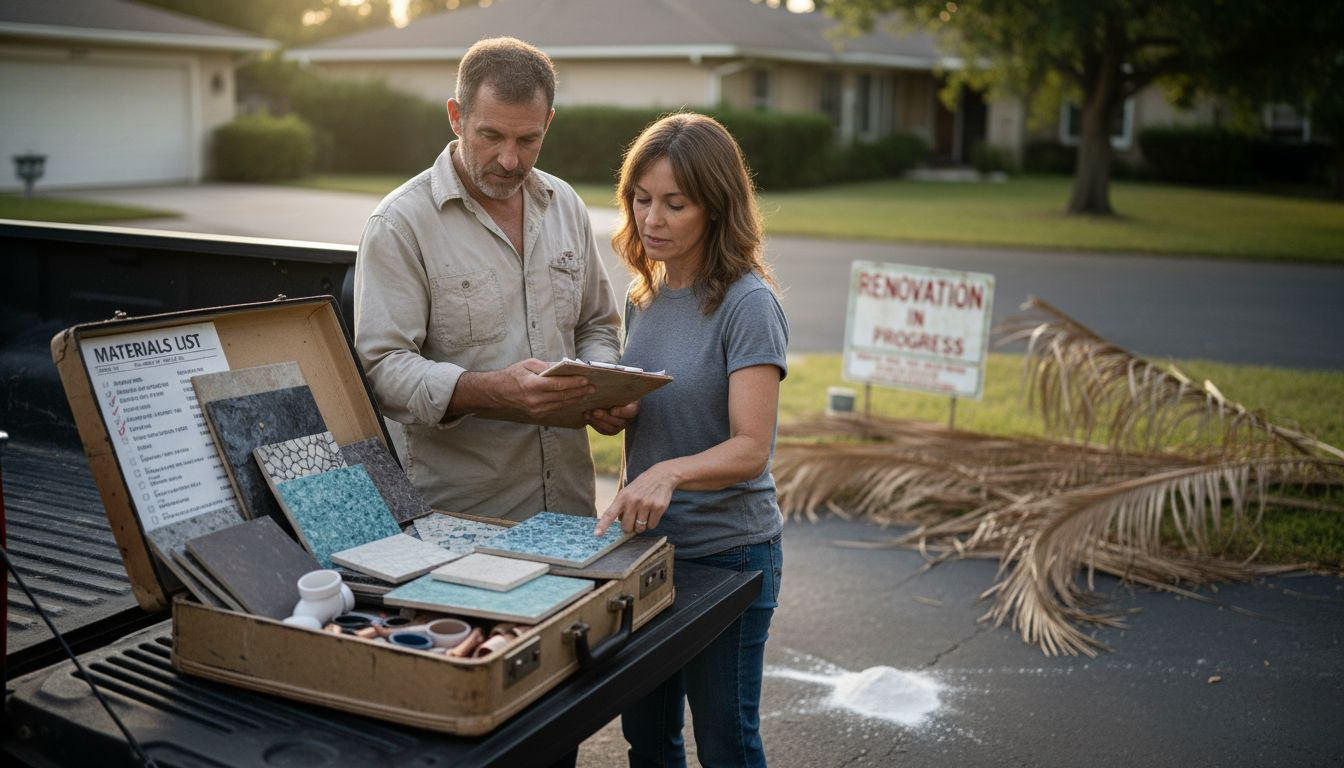
Compare popular pool surface materials for durability and style:
| Material Type | Durability in Florida | Appearance Options | Average Lifespan |
|---|---|---|---|
| Plaster | Moderate, prone to wear | Simple, basic colors | 7–10 years |
| Pebble Finish | High, resists chemicals | Textured, vibrant | 15–20 years |
| Quartz Coating | Excellent, UV stable | Colorful, sparkling | 12–15 years |
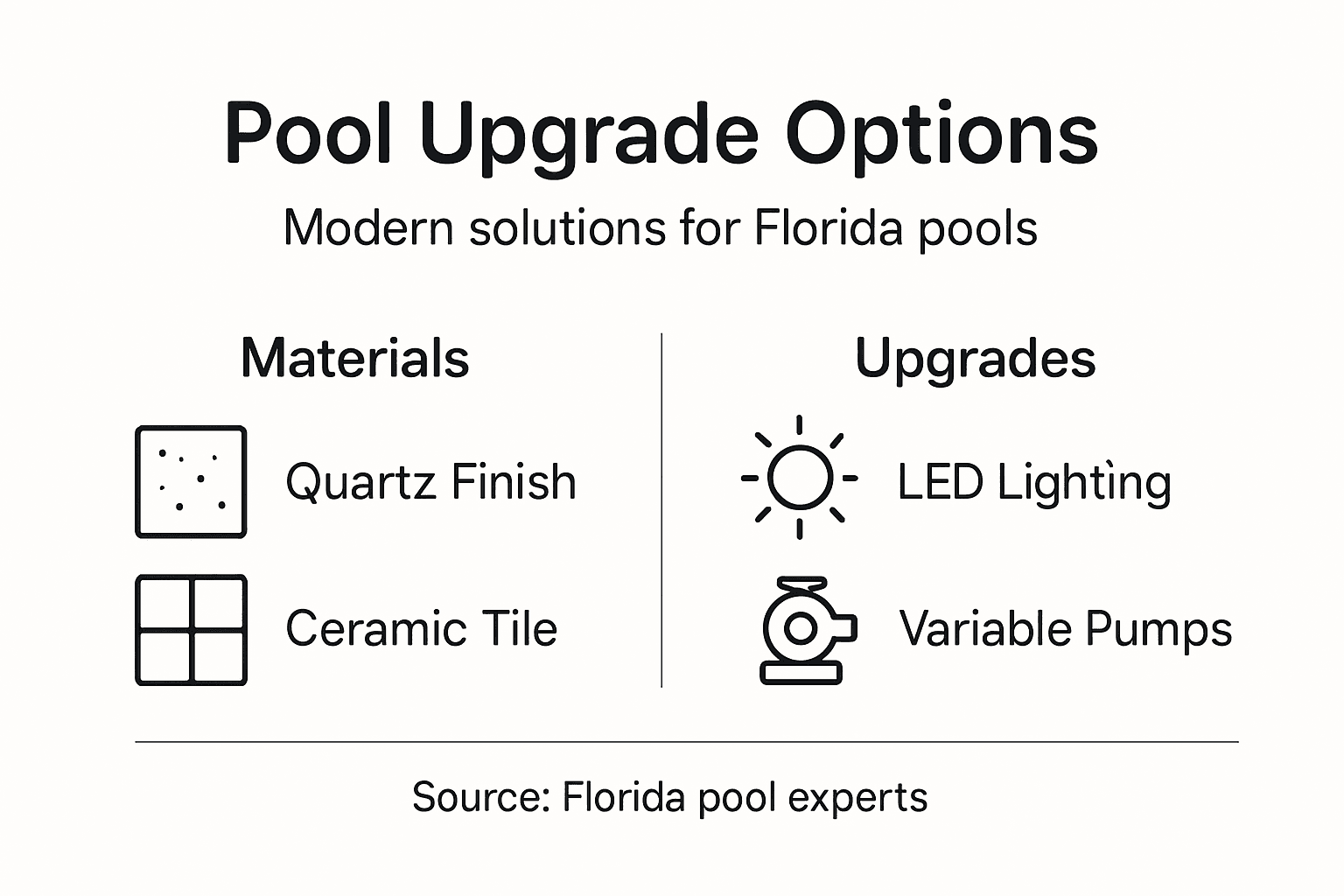
Technological upgrades represent another significant dimension of contemporary pool renovations. Energy-efficient systems, including variable-speed pumps, LED lighting, and smart filtration technologies, dramatically reduce operational costs while improving overall pool functionality. Advanced upgrades like saltwater chlorination systems, automated chemical monitoring, and integrated climate control features transform pools from simple water features into sophisticated, eco-friendly recreational spaces that align with modern sustainability standards.
Pro tip: Select materials and upgrades that balance initial investment with long-term performance, focusing on durability and energy efficiency rather than purely aesthetic considerations.
Costs, Timelines, and Compliance Issues
Pool renovation projects involve complex financial considerations, intricate timelines, and stringent regulatory requirements that Florida homeowners must carefully navigate. Pool renovation safety regulations represent a critical component of the renovation process, influencing both project scope and overall expenses.
The financial landscape of pool renovations varies widely, typically ranging from $5,000 for minor updates to $50,000 for comprehensive transformations. Cost factors include pool size, selected materials, extent of structural modifications, and required compliance upgrades. Timelines similarly fluctuate, with minor renovations potentially completing within two weeks, while extensive remodels might span six to eight weeks. Homeowners should anticipate additional time for permitting processes, which can add two to four weeks to the overall project duration.
Regulatory compliance represents a crucial aspect of pool renovation that significantly impacts project planning and execution. Local and state regulations in Florida mandate specific safety standards, including precise fencing requirements, electrical specifications, drainage systems, and accessibility considerations. These regulations often necessitate professional inspections at multiple stages, ensuring that renovations meet established safety codes and environmental standards. Failure to comply can result in substantial fines, project delays, or mandatory reconstruction, underscoring the importance of working with experienced renovation specialists who understand local regulatory frameworks.
Pro tip: Budget an additional 15-20% above initial project estimates to accommodate potential unexpected compliance requirements or structural discoveries during renovation.
Mistakes to Avoid and Expert Tips
Pool renovation demands careful planning and strategic decision-making to prevent costly errors that could compromise the project’s success. Common pool renovation mistakes often stem from inadequate preparation, unrealistic expectations, and insufficient professional expertise.
One of the most critical errors homeowners make is attempting complex renovations without professional guidance. DIY approaches frequently lead to structural complications, improper surface preparation, and ineffective material applications. Experts consistently warn against rushing chemical balancing processes, neglecting thorough surface cleaning, and underestimating the technical skills required for precise resurfacing. These mistakes can result in premature deterioration, uneven finishes, and potentially expensive repairs that far exceed the initial cost of professional services.
Florida’s unique environmental conditions introduce additional renovation challenges that require specialized knowledge. Homeowners should avoid selecting materials or equipment without considering local climate impacts, potential salt air corrosion, intense UV exposure, and humidity variations. Strategic renovation requires comprehensive planning that addresses structural integrity, energy efficiency, and long-term performance. This means carefully evaluating each upgrade’s practicality, maintenance requirements, and potential return on investment, rather than pursuing trendy design elements that might not withstand Florida’s demanding environmental conditions.
Pro tip: Request detailed written documentation of all renovation processes, material specifications, and warranty information to protect your investment and ensure comprehensive understanding of the renovation.
Transform Your Florida Pool With Expert Renovation Solutions
Florida pool owners face unique challenges such as harsh UV exposure, humidity, and salt air corrosion that accelerate wear and tear on surfaces and equipment. If your pool is showing signs of cracking, fading finishes, or outdated features, it is time to consider a professional renovation that addresses structural integrity, material durability, and aesthetic upgrades all at once. The article “Pool Renovation Process: Transforming Florida Pools” highlights key pain points like outdated equipment, surface degradation, and compliance hurdles that can be overwhelming without expert guidance.
At Classic Marcite, we specialize in overcoming these exact challenges with over 35 years of experience resurfacing more than 100,000 pools across Orlando, Jacksonville, and beyond. Our expertise in high-quality finishes like Pebble Tec® ensures your pool will not only look stunning but also withstand Florida’s demanding climate while improving energy efficiency and safety. We provide a comprehensive range of services including pool resurfacing, remodeling, tile and deck repairs, and equipment upgrades that align perfectly with the renovation stages and material choices described in the article.
Let Classic Marcite elevate your pool’s performance and beauty with trusted craftsmanship and proven results.

Ready to transform your pool into a durable and elegant oasis that lasts for years? Get a free estimate today from the largest Pebble Tec® applicator in Central Florida and take the first step toward a worry-free renovation that meets all safety and compliance standards. Visit our professional resurfacing page to learn more and see how our expert team can bring your vision to life.
Frequently Asked Questions
What is the first step in the pool renovation process?
The first step in the pool renovation process is a thorough professional inspection to identify structural, functional, and aesthetic issues that need to be addressed.
How often should I consider resurfacing my pool?
It is typically recommended to resurface your pool every eight to ten years to prevent deterioration and extend the pool’s lifespan.
What are some common improvements made during a pool renovation?
Common improvements during a pool renovation include surface refinishing, equipment upgrades, structural modifications, and aesthetic enhancements such as new lighting or water features.
How long does a typical pool renovation take?
The duration of a pool renovation can vary, with minor renovations possibly completing within two weeks, while extensive remodels may take six to eight weeks, depending on project scope and permitting processes.
