TL;DR:
- Pool coping acts as a structural control joint at the pool perimeter, preventing damage and water intrusion. Proper installation and maintenance of sealant in expansion joints are essential for longevity and safety. Regular inspection and timely replacement save significant repair costs and ensure a durable, safe pool environment.
Pool coping is defined as the cap or edging material installed along the top perimeter of a swimming pool, sealing the gap between the pool shell and the surrounding deck. It serves three functions simultaneously: structural protection, water management, and surface safety. Most homeowners notice coping for its appearance, but its real job is to act as a structural control joint between the pool shell and deck, absorbing independent movement from each. Skip proper coping or let it deteriorate, and you are looking at bond beam damage, moisture intrusion, and repair bills that dwarf the cost of early replacement.
What is pool coping and why does every pool need it?
Pool coping is the finished edge that caps the bond beam, which is the structural concrete ring at the top of the pool wall. Without it, water seeps behind the pool shell, freeze-thaw cycles crack the structure, and the deck separates from the pool over time. Coping prevents all of this by creating a controlled, sealed transition zone.
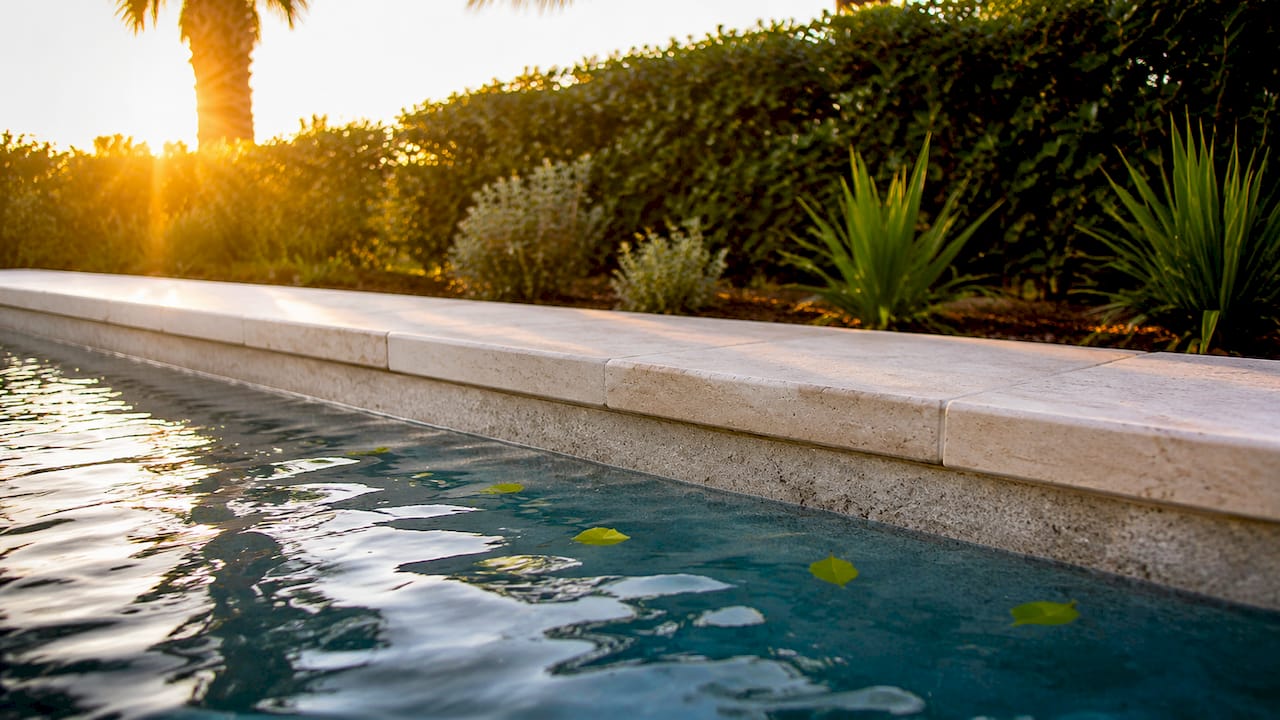
The functional role goes beyond aesthetics. Coping redirects splash water away from the pool structure and toward deck drains, protecting the ground beneath from saturation. It also gives swimmers a defined edge to grip when entering or exiting the water, which is a safety feature that matters in every residential pool.
Materials commonly used include poured concrete, precast concrete, natural stone such as travertine and limestone, brick, and porcelain. Each performs differently depending on climate, pool usage, and budget. The right coping material for a Florida pool differs significantly from what works in a northern freeze-thaw climate.
Homeowners who treat coping as purely decorative consistently run into problems. Professionals identify it as a vital structural component, and that framing should guide every purchase and maintenance decision you make.
What are the main types of pool coping materials?
Primary pool coping materials include poured concrete, precast concrete, natural stone, brick, and porcelain, each with distinct durability, maintenance, and heat resistance profiles. Typical coping thickness runs 30 to 50mm, and the right choice depends on your climate, pool design, and how much maintenance you are willing to do.

| Material | Key Benefit | Main Drawback |
|---|---|---|
| Poured concrete | Affordable, fully customizable shape | Prone to cracking without control joints |
| Precast concrete | Consistent sizing, faster installation | Limited design flexibility |
| Travertine / Limestone | Excellent heat resistance, natural look | Requires sealing, can be slippery when wet |
| Brick | Classic appearance, durable when rated correctly | Must have under 8% water absorption in freeze-thaw climates |
| Porcelain | Low maintenance, chemical and UV resistant | Higher upfront cost, harder to cut on site |
Natural stone, particularly travertine, stays noticeably cooler underfoot than concrete in direct sun, which matters in Florida summers. Porcelain offers the lowest ongoing maintenance because it resists pool chemicals and UV degradation without annual sealing. Brick is a strong performer in moderate climates, but brick in freezing climates must have water absorption under 8% to resist freeze-thaw damage. Ignoring that specification leads to premature cracking and replacement within a few seasons.
Slip resistance is a non-negotiable factor for any material you choose. Textured or treated surfaces such as acid-etched concrete or tumbled stone increase traction significantly in wet conditions. Smooth, polished finishes look sharp in photos but create real slip hazards around a pool.
Pro Tip: Match your coping material to your local climate first, then consider aesthetics. A material that looks perfect but fails after two winters costs far more than a slightly less glamorous option that lasts 20 years.
How is pool coping properly installed to protect your pool and deck?
Proper pool coping installation requires a waterproof membrane on the bond beam and a flexible expansion joint filled with specialized sealant, not rigid mortar. The coping must also slope 1 to 2% away from the pool to direct water toward deck drains. Skipping either of these steps does not just reduce coping lifespan. It can triple or quintuple your total repair costs.
The expansion joint is the most misunderstood element of the entire installation. It exists because the pool shell and the deck move independently. Soil shifts, temperature changes, and water pressure all cause micro-movement. A rigid joint cannot absorb that movement, so it cracks. Expansion joint failure is the leading cause of pool coping problems, and it is almost always the result of using the wrong filler material.
Here is the standard installation sequence professionals follow:
- Prepare and clean the bond beam surface, removing old adhesive and debris.
- Apply a waterproof membrane to the bond beam.
- Set the coping units in mortar bed, maintaining consistent spacing.
- Install a flexible, color-matched sealant in the expansion joint between coping and deck.
- Verify the 1 to 2% slope away from the pool across the full perimeter.
- Allow mortar to cure fully before grouting.
- Apply grout between coping units and seal all joints.
- Allow a 72-hour cure period before exposing the surface to water or foot traffic.
A full coping replacement for an average residential inground pool takes 3 to 5 working days plus a 72-hour sealing cure period. Labor comprises 50 to 60% of the total project cost, which is why cutting corners on professional installation rarely saves money in the long run.
Pro Tip: Never let a contractor fill your expansion joint with rigid mortar or grout. Insist on a flexible polyurethane or polysulfide sealant. This single detail determines whether your coping lasts 5 years or 25.
Why is pool coping maintenance and timely replacement important?
Coping experiences constant wear from sun exposure, chlorinated water, and in northern climates, freeze-thaw cycles. Proper maintenance prevents damage to the bond beam underneath, which costs far more to repair than the coping itself. The coping is, in effect, a sacrificial layer protecting a much more expensive structural element.
The most common failure points are:
- Cracked or separated coping units caused by ground movement or improper joint installation
- Deteriorated sealant in expansion joints, allowing water behind the pool shell
- Loose coping stones from adhesive failure, creating trip hazards and water entry points
- Efflorescence or staining on concrete and natural stone from mineral deposits
- Spalling or flaking on brick or concrete in climates with temperature swings
Maintenance tasks that extend coping lifespan include annual inspection of all joints and sealant, resealing expansion joints every 3 to 5 years, cleaning with pH-neutral products to avoid surface degradation, and addressing cracks immediately before water infiltration begins. For Florida homeowners, Classicmarcite recommends checking joints after every hurricane season, since ground movement from heavy rain and wind accelerates sealant wear.
Lifespan varies significantly by material. Porcelain and quality natural stone can last 25 or more years with proper care. Poured concrete typically needs attention within 10 to 15 years. Brick falls in the middle, around 15 to 20 years, assuming correct installation.
Replacing coping late results in bond beam damage that costs 3 to 5 times more to repair than early coping replacement. That cost multiplier is the single most compelling reason to act on visible coping problems quickly rather than deferring repairs. A full replacement for an average residential inground pool runs between $2,400 and $12,000, with the wide range reflecting material choice, pool size, and whether the existing deck requires a cut-back to allow proper installation. The cut-back requirement involves removing or sawing back the existing pool deck, which adds labor and cost but is often necessary for a structurally sound result.
How to choose pool coping that balances safety, aesthetics, and budget
Safety dictates the starting point for any coping selection. Luxury materials like marble or polished granite look exceptional but require slip-resistant finishes to be safe around water. Acid-etched, brushed, or tumbled finishes add traction without sacrificing appearance. You can also read more about non-slip deck treatments that complement coping choices for a cohesive, safe pool surround.
When balancing aesthetics with budget, consider these practical factors:
- Color and texture coordination: Coping should complement your home’s exterior palette and the pool interior finish. Warm-toned travertine pairs naturally with beige or tan deck surfaces. Gray porcelain suits modern, minimalist designs.
- Edge profile: Bullnose edges are the most common and provide a smooth, rounded lip for swimmers. Cantilevered concrete edges offer a seamless look but require more precise forming during installation.
- Climate durability: In Florida, heat resistance and chemical resistance matter more than freeze-thaw ratings. Natural stone and porcelain both perform well in high-UV, high-humidity environments.
- Long-term cost of ownership: A cheaper material that requires resealing every year or replacement within a decade often costs more over a 20-year period than a premium option installed once correctly.
- Deck integration: Coping and deck materials work as a visual system. Mismatched textures or colors create a disjointed appearance that reduces curb appeal and resale value.
For homeowners managing a tight renovation budget, precast concrete coping offers the best balance of cost, durability, and design flexibility. It accepts pigment during manufacturing, so you can match colors without painting, and it installs faster than cut natural stone, which reduces labor costs.
Key takeaways
Pool coping is a structural control joint, not just decorative edging, and its proper installation and maintenance directly determine the long-term cost of owning a residential pool.
| Point | Details |
|---|---|
| Coping is structural | It seals the bond beam and absorbs movement between the pool shell and deck. |
| Material choice affects lifespan | Porcelain and natural stone last 25-plus years; poured concrete typically needs work within 15. |
| Expansion joints are critical | Flexible sealant in joints prevents the cracking and detachment that causes most coping failures. |
| Late replacement multiplies costs | Bond beam repairs from neglected coping cost 3 to 5 times more than early replacement. |
| Safety requires texture | Slip-resistant finishes on any material reduce accident risk in wet pool environments. |
What I’ve learned after seeing thousands of pools
The most consistent mistake homeowners make is treating coping as a cosmetic upgrade rather than a structural maintenance item. I have seen pools where the travertine looked flawless from ten feet away, but the expansion joint had been packed with rigid grout for years. The bond beam underneath was cracked in three places. The repair cost was nearly four times what a timely coping replacement would have run.
The second most common mistake is deferring maintenance because the coping “looks fine.” Sealant failure is invisible until water has already been working behind your pool shell for months. By the time you see a crack or a loose stone, the damage has usually spread further than the visible symptom suggests. Annual inspections, especially after Florida storm seasons, catch problems when they are still cheap to fix.
My honest recommendation: invest in the best material your budget allows, hire professionals who understand expansion joint requirements, and treat resealing as a scheduled maintenance item rather than an emergency response. The pools that age well are not the ones with the most expensive stone. They are the ones where the owner paid attention to the joints.
— Classicmarcite
Professional pool coping and resurfacing services in Florida
Classic Marcite has resurfaced over 100,000 pools across Florida since 1988, and coping replacement is one of the most requested services alongside interior resurfacing. Whether you are dealing with cracked coping, deteriorated joints, or planning a full pool remodel, the team brings decades of hands-on experience to every project.

As the largest Pebble Tec® applicator in Central Florida, Classicmarcite handles everything from material selection to final sealing, so your coping performs structurally and looks exactly right for your home. If you are in Orlando, Jacksonville, or The Villages, you can request a free estimate for pool resurfacing and coping services and get a clear picture of what your project will cost before any work begins.
FAQ
What does pool coping actually do?
Pool coping caps the bond beam at the top of the pool wall, sealing the gap between the pool shell and deck to prevent water intrusion and structural cracking. It also provides a safe, grippable edge for swimmers and directs splash water away from the pool structure.
What are the best pool coping materials for Florida?
Travertine, limestone, and porcelain perform best in Florida’s high-UV, high-humidity climate because they resist heat, pool chemicals, and UV degradation without constant resealing. Porcelain requires the least maintenance of the three.
How much does pool coping replacement cost?
A full coping replacement for an average residential inground pool costs between $2,400 and $12,000, with labor making up 50 to 60% of the total. Project duration is typically 3 to 5 working days plus a 72-hour cure period.
How often should pool coping be resealed?
Expansion joint sealant should be inspected annually and replaced every 3 to 5 years, depending on climate and material. In Florida, checking joints after hurricane season catches accelerated wear before it becomes structural damage.
When should pool coping be replaced rather than repaired?
Replace coping when multiple units are loose, cracked, or when water has visibly penetrated behind the pool shell. Delaying replacement once bond beam damage begins results in repair costs 3 to 5 times higher than the coping replacement itself.