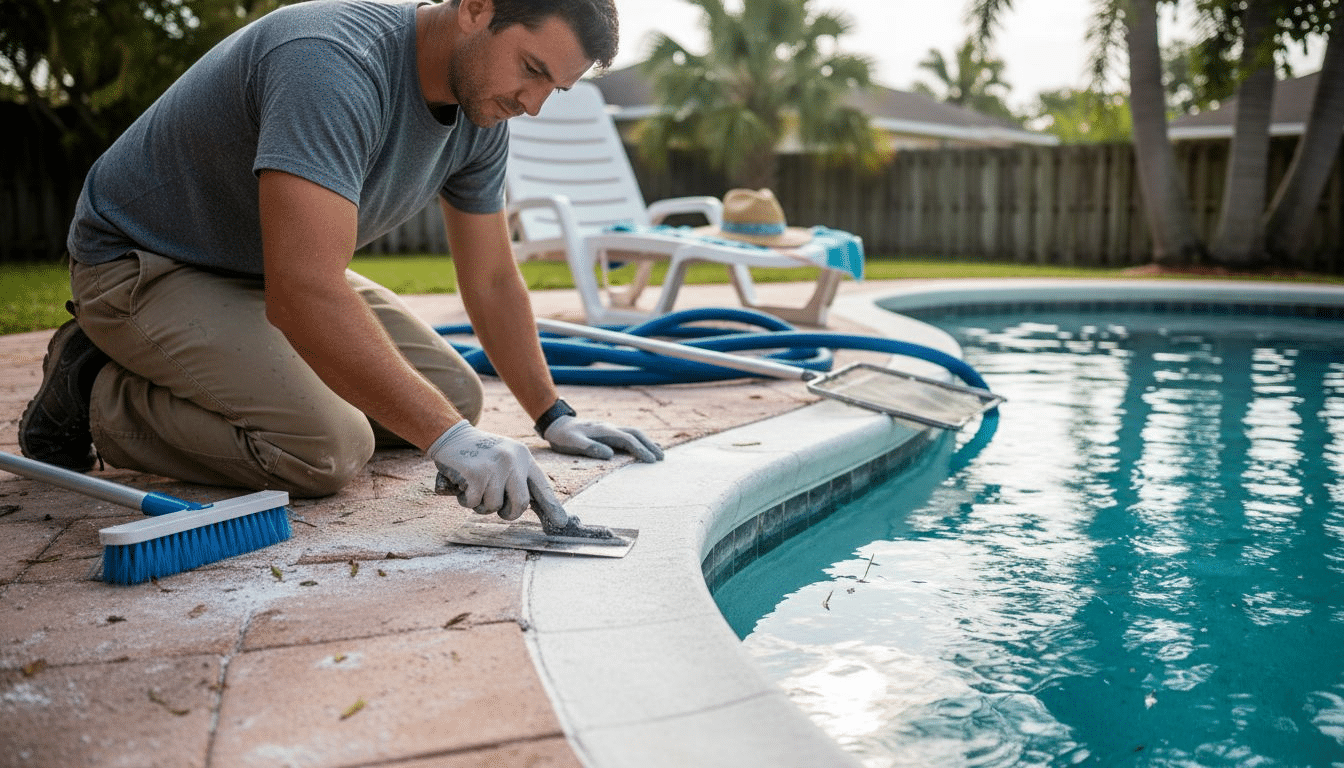
Every homeowner in Orlando or Jacksonville knows how much the Florida sun and humidity can wear down even the most beautiful pool. When stains, rough surfaces, or cracks start to appear, it is more than an eyesore—it signals a need for action before costly problems develop. Pool replastering acts as a vital barrier, protecting your investment and transforming your pool into a safe, inviting retreat. Discover how choosing the right approach keeps your pool beautiful, durable, and ready for many more seasons.
Table of Contents
- Defining Pool Replastering And Its Purpose
- Common Types Of Pool Replastering Materials
- Key Benefits: Longevity, Beauty, And Value
- Risks Of Delaying Replastering Or Diy Repairs
- Cost, Lifespan, And Choosing The Right Finish
Key Takeaways
| Point | Details |
|---|---|
| Importance of Pool Replastering | Essential for maintaining structural integrity, preventing water damage, and enhancing aesthetic appeal. |
| Material Options | Various replastering materials available, each with unique lifespans and costs; consider long-term value. |
| Risks of Delaying | Postponing replastering can lead to severe structural damage and increased repair costs. |
| Professional Consultation | Consulting a professional can ensure the right material choice based on specific conditions and preferences. |
Defining Pool Replastering and Its Purpose
Pool replastering is a critical maintenance process for Florida homeowners seeking to preserve and enhance their swimming pools’ structural integrity and aesthetic appeal. This specialized renovation technique involves removing the existing pool surface and applying a fresh, durable finish that protects the underlying pool structure. Pool surface restoration goes far beyond mere cosmetic improvement.
At its core, pool replastering serves multiple essential functions. The process creates a smooth, waterproof barrier that shields the pool’s underlying concrete shell from potential water damage, chemical erosion, and structural deterioration. Without regular replastering, pool surfaces can develop rough textures, unsightly stains, and potentially dangerous cracks that compromise both swimming comfort and pool longevity.
The primary purposes of pool replastering include preventing structural damage, improving water quality, and restoring the pool’s visual appeal. Homeowners in Florida face unique challenges due to intense sunlight, humidity, and frequent temperature fluctuations that can accelerate surface wear. By addressing surface imperfections early, replastering helps maintain the pool’s structural integrity and prevents more expensive repairs down the line.
Pro tip: Schedule a professional pool surface inspection every 7-10 years to catch potential replastering needs before significant damage occurs.
Common Types of Pool Replastering Materials
Florida homeowners have several options when considering pool replastering materials, each offering unique characteristics and performance levels. Pool resurfacing materials range from traditional solutions to advanced modern finishes, providing homeowners with diverse choices to match their aesthetic preferences and budgetary constraints.
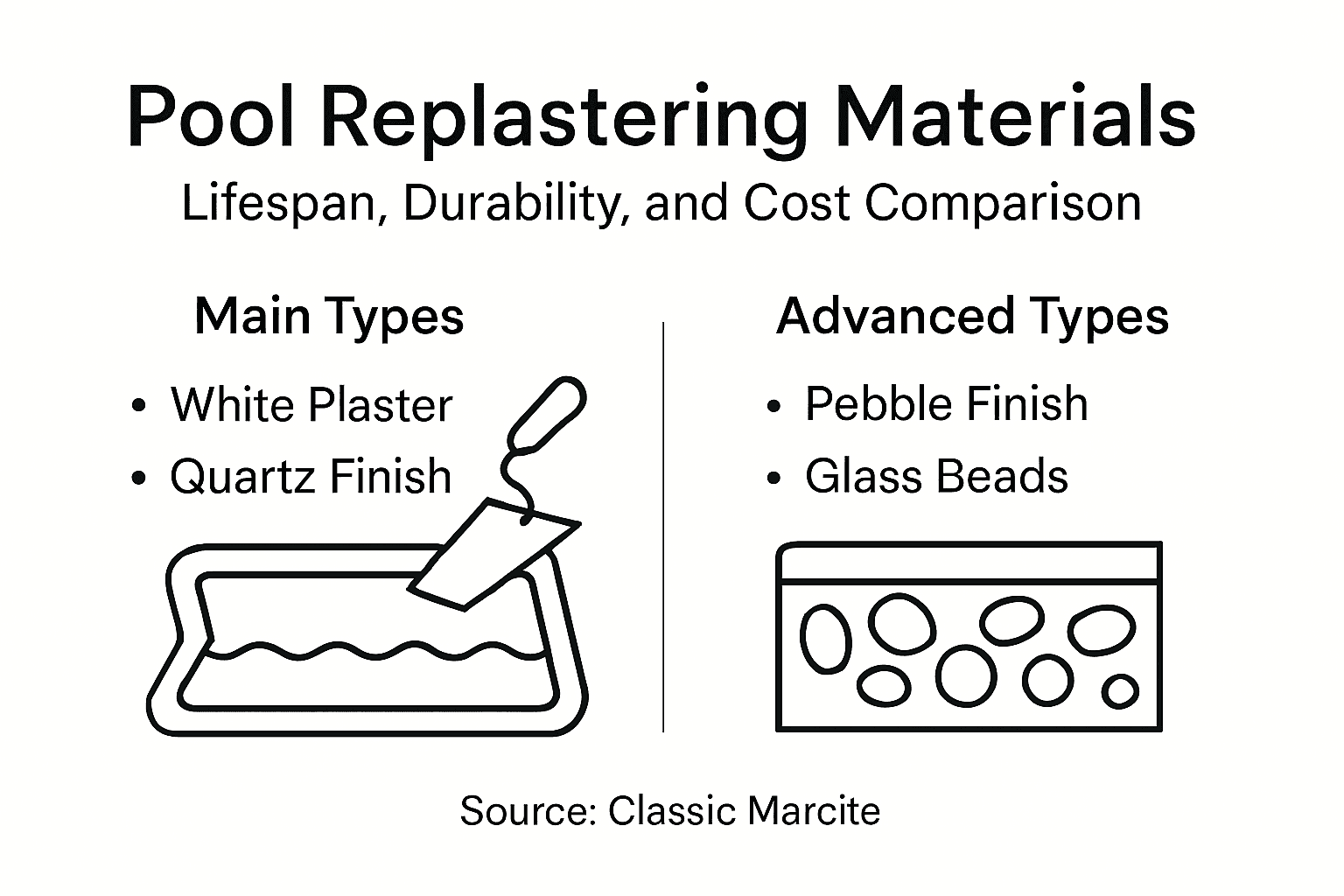
Traditional white plaster remains a popular and cost-effective option, typically lasting 7-10 years. However, more advanced materials like quartz plaster and pebble finishes have gained significant traction in recent years. Quartz plaster offers enhanced durability and aesthetic appeal, extending pool surface longevity up to 20 years. Pebble finishes represent a premium choice, delivering a natural textured look with exceptional durability that can withstand 15-25 years of use.
Modern pool replastering technologies have expanded to include innovative options like glass bead coatings, which provide a unique visual shimmer and impressive durability. Aggregate finishes incorporating quartz or specialized stones offer superior chemical resistance, making them particularly well-suited to Florida’s challenging climate. These advanced materials not only improve the pool’s visual appearance but also provide enhanced structural protection and longevity.
Pro tip: Consider consulting a professional pool specialist to evaluate which replastering material best suits your specific pool design, usage patterns, and local environmental conditions.
Here is a comparison of key pool replastering material options for Florida homeowners:
| Material Type | Typical Lifespan | Durability | Visual Appeal | Estimated Cost* |
|---|---|---|---|---|
| White Plaster | 7-10 years | Moderate | Smooth, classic look | $4,000-$7,000 |
| Quartz Plaster | 15-20 years | High | Vibrant, colored hue | $6,000-$9,000 |
| Pebble Finish | 15-25 years | Very high | Natural, textured look | $8,000-$10,000 |
| Glass Bead | 15-20 years | High | Sparkling, glossy | $9,000-$12,000 |
*Approximate estimates for a standard residential pool. Costs may vary.
Key Benefits: Longevity, Beauty, and Value
Pool replastering offers Florida homeowners a comprehensive solution to enhance their swimming pool’s overall performance and aesthetic appeal. Pool renovation benefits extend far beyond simple surface improvement, providing substantial long-term advantages for residential property owners. By investing in professional replastering, homeowners can significantly extend their pool’s functional lifespan and maintain its structural integrity.
The primary benefits of pool replastering include remarkable improvements in safety, durability, and visual appearance. A fresh replastered surface eliminates rough patches and sharp edges that could potentially cause swimmer discomfort or injury. The new finish creates a smooth, comfortable swimming environment while simultaneously reinforcing the pool’s structural components. Moreover, replastering revitalizes the pool’s aesthetic, enhancing water clarity and creating a more inviting recreational space that can substantially increase property value.
Beyond immediate visual improvements, pool replastering provides critical protective benefits for Florida’s challenging environmental conditions. The new surface acts as a robust barrier against chemical exposure, weather-related wear, and potential structural degradation. By preventing water leaks, minimizing crack formation, and offering customizable textures and colors, replastering represents a strategic investment in long-term pool maintenance. Homeowners can expect improved water quality, reduced maintenance requirements, and a significant boost in their property’s overall marketability.
Pro tip: Schedule periodic professional inspections to identify early signs of surface deterioration and plan replastering before extensive damage occurs.
Risks of Delaying Replastering or DIY Repairs
Pool owners in Florida face significant consequences when postponing or attempting amateur repairs to their pool surfaces. Pool plaster damage risks can escalate quickly, transforming minor surface issues into expensive structural problems that compromise both safety and pool functionality. Delaying professional replastering exposes the pool to progressive deterioration that goes far beyond cosmetic concerns.
The most critical risks involve structural integrity and water damage potential. When pool plaster develops cracks, chips, or uneven surfaces, these imperfections allow water to penetrate the underlying concrete or gunite structure. This moisture intrusion can lead to extensive internal damage, causing erosion of the pool’s foundational shell. DIY repair attempts often fail to address these underlying issues, potentially masking serious structural weaknesses that require professional intervention.
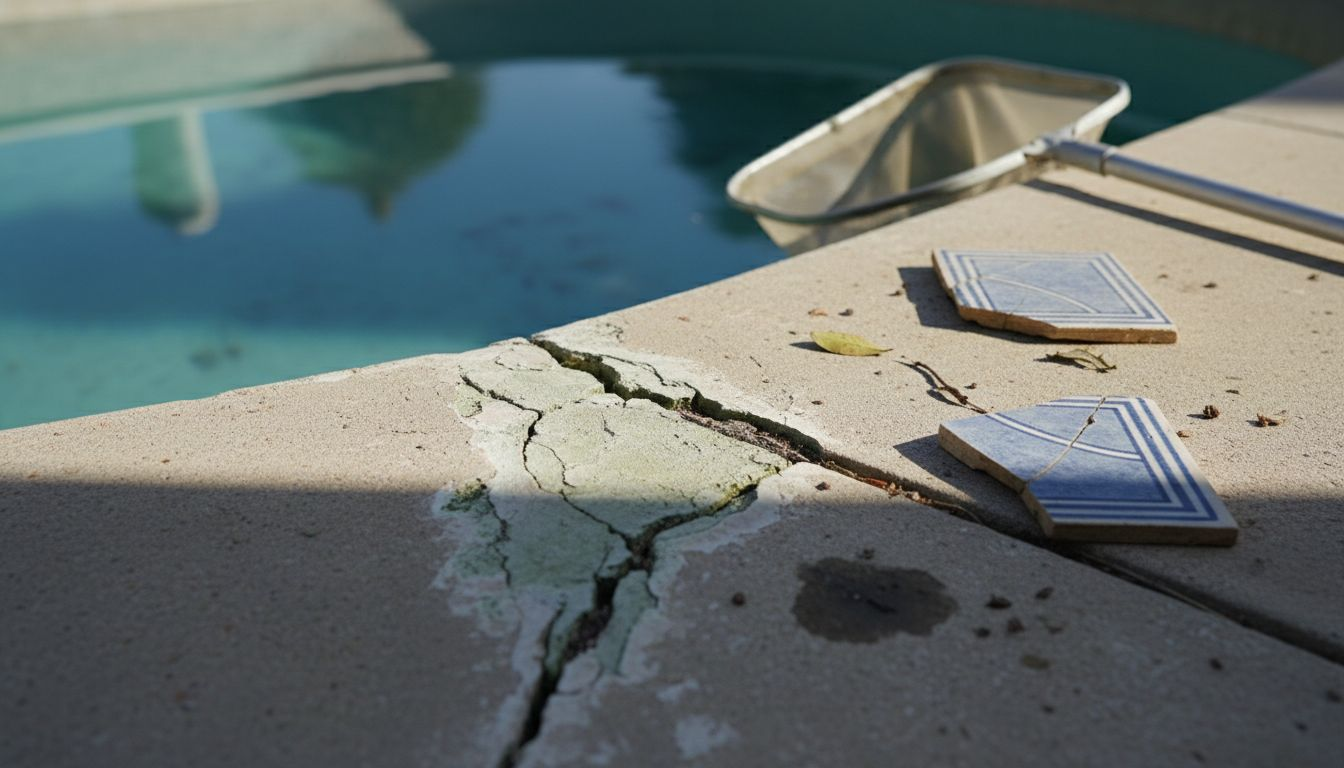
Beyond structural risks, neglected pool surfaces create significant safety hazards for swimmers. Rough, deteriorating plaster can cause skin abrasions, cuts, and uncomfortable swimming experiences. The uneven surface becomes a breeding ground for algae and bacteria, compromising water quality and potentially leading to health risks. Moreover, prolonged surface damage can result in more comprehensive and expensive renovation requirements, dramatically increasing the long-term maintenance costs compared to timely professional replastering.
Pro tip: Conduct quarterly visual inspections of your pool surface and consult a professional at the first sign of plaster deterioration to prevent costly extensive repairs.
The following table summarizes common risks of delaying pool replastering versus timely professional repairs:
| Risk Type | If Delayed | With Timely Repair |
|---|---|---|
| Structural Damage | Underlying shell erosion, costly repairs | Shell remains protected and durable |
| Swimmer Safety | Skin abrasions, rough surfaces | Smooth, comfortable pool surface |
| Water Quality | Increased algae and bacterial growth | Cleaner, clearer water |
| Long-term Cost | Escalating repair and renovation expenses | Reduced maintenance and lower overall cost |
Cost, Lifespan, and Choosing the Right Finish
Florida pool owners face critical decisions when considering replastering, balancing aesthetics, durability, and budget. Pool replastering cost considerations reveal a complex landscape of material choices and financial investments ranging from $4,000 to $10,000 depending on pool size and selected finish.
Different pool finish materials offer distinct advantages and price points. Standard white plaster represents the most economical option, typically lasting 7-10 years with the lowest upfront cost. Advanced materials like quartz and pebble finishes provide significantly extended lifespans of 15-20 years, offering superior durability and aesthetic appeal. While these premium finishes carry higher initial expenses, they deliver long-term value through reduced maintenance requirements and enhanced pool performance.
Choosing the right pool finish involves carefully weighing multiple factors beyond immediate cost. Homeowners must consider their specific environmental conditions, pool usage patterns, maintenance capabilities, and aesthetic preferences. Factors like chemical resistance, texture, color options, and long-term durability play crucial roles in determining the most suitable replastering material. Professional consultation can help navigate these complex decisions, ensuring homeowners select a finish that balances performance, longevity, and budget constraints.
Pro tip: Request detailed cost comparisons and lifetime projections from pool professionals to understand the true long-term value of different replastering materials.
Restore Your Florida Pool with Expert Replastering Solutions
Florida homeowners know that delaying pool replastering can lead to costly repairs and compromised safety. The harsh climate demands durable finishes that resist chemical erosion and weather damage while keeping your pool beautiful and comfortable. At Classic Marcite, we understand these challenges and specialize in premium pool resurfacing using proven materials like Pebble Tec®. With over three decades of experience and more than 100,000 pools transformed, we provide lasting solutions that protect your investment and enhance your outdoor living space.
Take action now to avoid rough surfaces, cracks, and water damage that affect your pool’s enjoyment and value. Partner with a trusted industry leader dedicated to craftsmanship and customer satisfaction. Discover how our expert pool resurfacing services can bring lasting durability and aesthetic appeal to your home pool.

Ready to extend your pool’s lifespan and enjoy a safer, more attractive swimming environment? Contact Classic Marcite today for a free estimate and see why we are Central Florida’s largest Pebble Tec® applicator. Visit our website at Classic Marcite to view our portfolio and customer reviews. Don’t wait until minor damage turns into major expense—schedule your professional pool inspection and replastering consultation now.
Frequently Asked Questions
What are the main benefits of pool replastering?
Pool replastering protects the pool’s structural integrity, improves water quality, and enhances the visual appeal of the pool, contributing to increased property value.
How often should I replaster my pool?
It is recommended to schedule replastering every 7-10 years to prevent significant damage and maintain the pool’s functionality and aesthetics.
What materials are commonly used for pool replastering?
Common materials include white plaster, quartz plaster, pebble finishes, and glass bead coatings, each offering varying durability and visual appeal, with lifespans ranging from 7 to 25 years.
What happens if I delay replastering my pool?
Delaying replastering can lead to structural damage, increased repair costs, safety hazards for swimmers, and poor water quality due to rough, deteriorating surfaces.
Recommended
- What Is Pool Plaster And Why It Matters
- Why Renovate Your Pool: Boost Beauty And Value
- Remodeling Older Pools For Lasting Beauty And Durability
- Pool Resurfacing Updates 2025: Florida Homeowner Impact
- Understanding the Benefits of a House with Insulation – WorkWearComfort
- Pool Refinishing Windermere FL
- Pool Renovation Winter Park FL
- Swimming Pool Remodeling The Villages FL