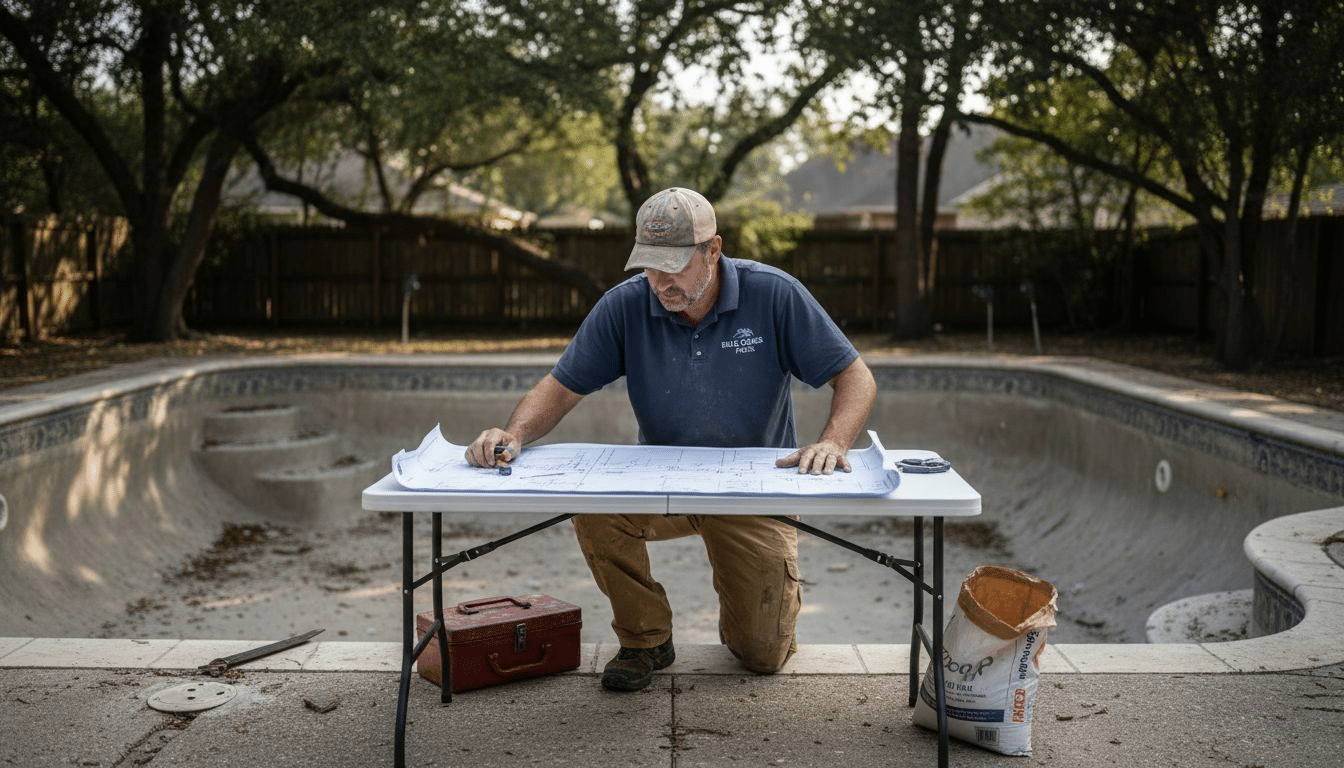
Most american homeowners in Orlando and Jacksonville face confusion when deciphering pool renovation language. Knowing the right terminology is essential for making smart choices about resurfacing materials and enhancing curb appeal. Over ninety percent of pool renovation disputes come from misunderstandings about project details or surface types. With a solid grasp of common terms, you will be better equipped to discuss options with professionals and transform your backyard into an impressive retreat.
Table of Contents
- Essential Pool Renovation Terms Defined
- Types of Pool Finishes And Surfaces
- Understanding The Resurfacing Process Steps
- Costs, Risks, And Maintenance Considerations
- Common Pitfalls And How To Avoid Them
Key Takeaways
| Point | Details |
|---|---|
| Understanding Terminology | Familiarize yourself with essential pool renovation terms to communicate effectively with professionals and make informed decisions. |
| Choosing Finish Types | Select the right pool surface material based on aesthetics, durability, and maintenance needs for your specific environment. |
| Planning the Resurfacing Process | Ensure a detailed inspection and comprehensive planning of the resurfacing process to avoid unexpected complications and expenses. |
| Avoiding Common Pitfalls | Vet contractors thoroughly and request clear written agreements to mitigate risks and avoid project misunderstandings. |
Essential Pool Renovation Terms Defined
Understanding pool renovation terminology can feel like navigating a complex landscape of technical language. Homeowners in Orlando and Jacksonville need a clear guide to decode the specialized vocabulary used by pool professionals. From surface materials to chemical treatments, knowing these terms empowers you to make informed decisions about your pool’s maintenance and renovation.
Pool renovation involves several key technical terms that homeowners should understand. Resurfacing refers to the process of applying a new layer over the existing pool interior, which can dramatically improve appearance and functionality. Chemical terminology plays a critical role in this process, with terms like acid demand indicating the amount of acid required to balance water chemistry and maintain proper pH levels.
Some essential renovation terms include aggregate finish, which describes pool surfaces made from small stones or pebbles embedded in a cement base, and hydrostatic pressure, the force of groundwater that can potentially damage pool structures if not properly managed. Other important concepts include bond coat, a preparatory layer applied before new surface materials, and coping, the decorative edge surrounding the pool perimeter that provides both aesthetic and functional benefits.
Pro tip: Before beginning any pool renovation project, create a detailed glossary of terms specific to your planned work to communicate more effectively with your pool professional and understand the scope of the renovation.
Types of Pool Finishes and Surfaces
Pool surfaces represent more than just aesthetic choices for homeowners in Florida – they directly impact durability, maintenance requirements, and overall pool performance. Different finish types offer unique characteristics that can dramatically transform a pool’s appearance and functionality. Pool renovation strategies involve selecting the right surface material to match specific environmental and usage needs.
Plaster remains the most traditional pool finish, offering a smooth white surface that provides basic protection at an affordable price point. More advanced options like aggregate finishes incorporate small pebbles or glass beads into the plaster, creating a more textured and visually interesting surface. These aggregate finishes not only enhance aesthetic appeal but also improve slip resistance and durability. Popular variants include Pebble Tec and exposed aggregate surfaces that provide a natural, sophisticated look.
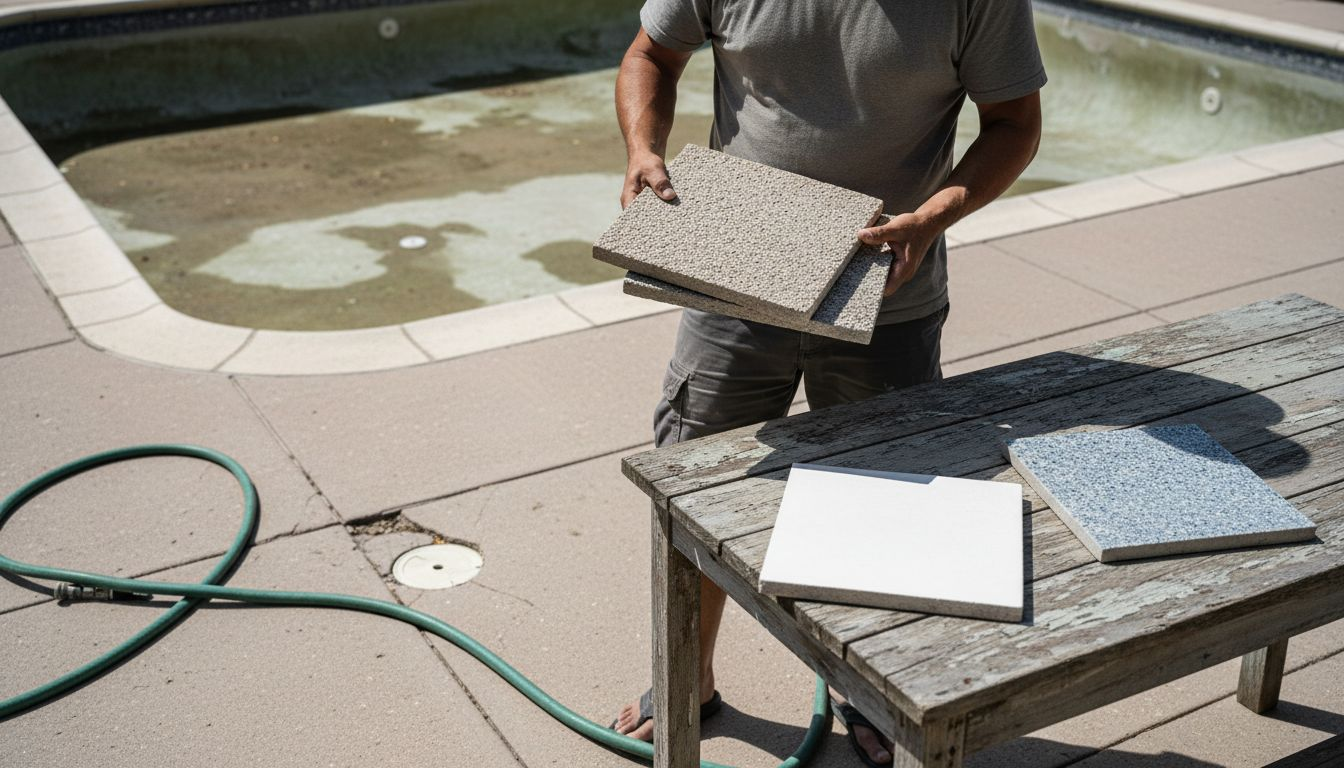
Modern pool surface technologies have expanded to include quartz, ceramic, and epoxy-based finishes. Quartz finishes blend colored quartz particles with white or colored plaster, creating a more vibrant and long-lasting surface. Ceramic and epoxy finishes offer exceptional resistance to chemicals and staining, making them ideal for pools experiencing heavy use or challenging environmental conditions. Each finish type comes with specific maintenance requirements, longevity expectations, and cost considerations that homeowners should carefully evaluate.
Pro tip: Request color samples and texture examples from your pool renovation professional to visualize how different surface finishes will look in your specific pool environment.
Here’s a comparison of key pool finish types to help you select the best option:
| Finish Type | Appearance | Lifespan | Maintenance Level |
|---|---|---|---|
| Plaster | Smooth, matte white | 5-10 years | Basic, regular upkeep |
| Pebble/Exposed Aggregate | Textured, natural-look | 15-20 years | Low to moderate |
| Quartz | Vibrant, colored finish | 10-15 years | Moderate, careful balance |
| Ceramic/Epoxy | Glossy, stain-resistant | 15+ years | Low, resistant to chemicals |
Understanding the Resurfacing Process Steps
Pool resurfacing is a complex renovation process that requires careful planning and execution to ensure a durable and visually appealing result. Homeowners in Florida should understand the critical steps involved in transforming their pool’s interior surface. Pool renovation procedures typically involve multiple stages that address both aesthetic and structural considerations.
The resurfacing process begins with a comprehensive pool inspection to assess existing surface conditions. Professionals will evaluate potential cracks, structural damage, and water chemistry issues that might impact the new surface. Next comes surface preparation, which involves draining the pool completely and removing the existing finish. This critical step includes chipping away the old surface, repairing any structural defects, and creating a smooth base for the new finish. Skilled technicians use specialized tools to ensure the underlying surface is perfectly prepared for the new material.
After preparation, the bond coat application creates a crucial transition layer between the pool’s structural surface and the new finish. This layer ensures proper adhesion and helps prevent future delamination. The chosen finish – whether plaster, aggregate, or specialized coating – is then carefully applied using precise techniques that guarantee uniform coverage and optimal durability. Final steps include curing, which allows the new surface to set properly, and water chemistry balancing to ensure the pool’s environment supports the new finish.
Pro tip: Request detailed documentation of each resurfacing stage from your pool renovation professional to understand the specific work being performed and maintain comprehensive project records.
Costs, Risks, and Maintenance Considerations
Pool renovation represents a significant investment for Florida homeowners, with costs and ongoing maintenance playing critical roles in long-term satisfaction and pool performance. Pool maintenance strategies highlight the importance of understanding both immediate expenses and future financial implications of pool resurfacing.
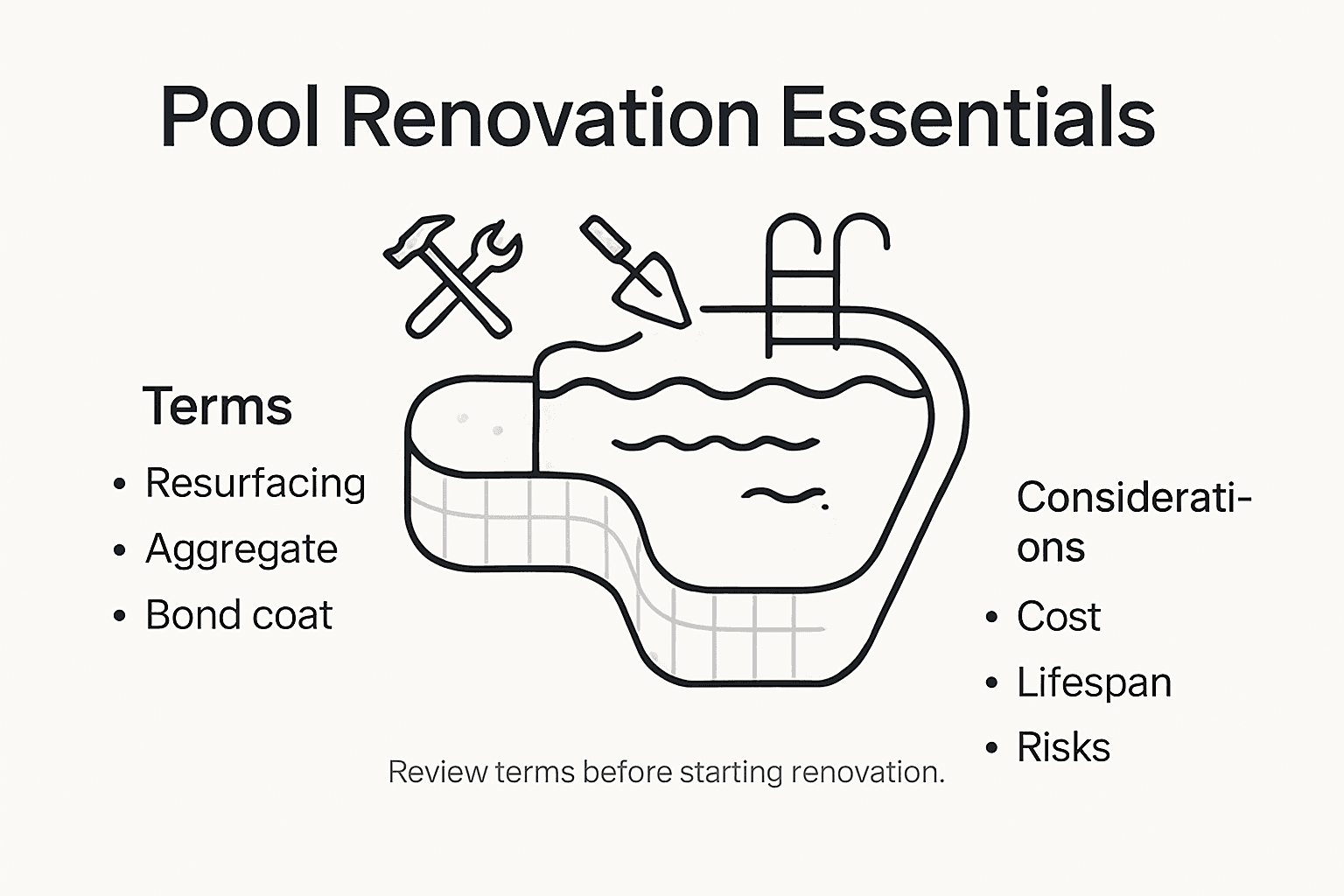
Initial renovation costs can range from $5,000 to $15,000 depending on pool size, selected finish, and existing surface condition. Surface durability directly impacts long-term expenses, with higher-quality finishes like aggregate or quartz surfaces potentially reducing maintenance costs over time. Risks include improper installation leading to premature deterioration, water chemistry imbalances causing surface degradation, and structural complications that can exponentially increase repair expenses. Homeowners should budget for potential unexpected challenges and prioritize working with experienced professionals who provide comprehensive warranties.
Maintenance considerations extend beyond financial investments. Regular water chemistry monitoring, professional annual inspections, and proactive surface care can significantly extend the lifespan of a newly resurfaced pool. Chemical balance, proper cleaning techniques, and addressing minor surface imperfections quickly prevent more substantial damage. Factors like Florida’s intense sunlight, high humidity, and potential severe weather conditions require more frequent and specialized maintenance compared to pools in other regions.
Pro tip: Create a dedicated maintenance log tracking water chemistry, surface conditions, and professional service visits to help predict and prevent potential costly repairs.
Here is a summary of the main risks and ways to mitigate them in pool renovation projects:
| Common Risk | Possible Impact | Mitigation Strategy |
|---|---|---|
| Poor contractor vetting | Costly repairs, legal issues | Check licenses and references |
| Incomplete inspections | Hidden defects, extra costs | Request comprehensive evaluation |
| Unclear contracts | Disputes, budget overruns | Get detailed written agreements |
| Water chemistry neglect | Surface damage, health risks | Regular testing and adjustments |
Common Pitfalls and How to Avoid Them
Pool renovation projects can quickly become complex, with numerous potential missteps that can transform an exciting home improvement into a costly nightmare. Pool renovation planning requires careful attention to detail and proactive problem prevention to ensure successful outcomes.
One of the most significant pitfalls homeowners encounter is inadequate contractor vetting. Many rush into projects without thoroughly examining a contractor’s credentials, past work, and professional certifications. Red flags include vague estimates, reluctance to provide detailed written contracts, and inability to show proof of proper licensing and insurance. Florida’s unique environmental challenges demand contractors with specific regional expertise who understand local building codes, water table complexities, and humidity-related surface degradation risks.
Another critical area of potential failure involves miscommunication about project scope. Homeowners often discover unexpected expenses when contractors uncover hidden structural issues or recommend additional work mid-project. Comprehensive initial inspections, detailed written agreements specifying exact work parameters, and clear communication about potential additional costs can mitigate these risks. This includes understanding precise surface preparation requirements, expected material performance under Florida’s intense sunlight, and potential structural reinforcement needs that might emerge during renovation.
Pro tip: Request a comprehensive written contract that includes detailed project milestones, exact surface preparation procedures, material specifications, and a transparent breakdown of potential additional costs before signing any renovation agreement.
Transform Your Pool Renovation Knowledge Into Stunning Results
Understanding complex pool renovation terms like resurfacing, aggregate finish, and bond coat is the first step toward a successful project in Orlando or Jacksonville. If you want to avoid common pitfalls such as poor contractor vetting or unclear contracts, trust the experts who have resurfaced over 100,000 pools with enduring quality and craftsmanship.
Classic Marcite specializes in delivering durable, beautiful pool surfaces using premium materials like Pebble Tec® that withstand Florida’s unique climate challenges. Let our experienced team guide you from inspection through resurfacing with transparent communication and expert care.

Ready to upgrade your pool with confidence? Visit Classic Marcite today for a free estimate and explore our comprehensive pool resurfacing services. Learn more about the benefits of choosing professional pool renovation at Classic Marcite and see our portfolio of successful projects that homeowners trust. Begin your hassle-free renovation journey now and protect your investment with the best in Florida pool care.
Frequently Asked Questions
What is resurfacing in pool renovation?
Resurfacing is the process of applying a new layer over the existing pool interior, enhancing both the appearance and functionality of the pool.
What are the different types of pool finishes and their benefits?
Different types of pool finishes include plaster, aggregate, quartz, and ceramic/epoxy. Plaster is affordable and smooth; aggregate provides enhanced durability and aesthetics; quartz offers vibrant colors; and ceramic/epoxy finishes are resistant to chemicals and staining, making them ideal for heavy use.
What steps are involved in the pool resurfacing process?
The pool resurfacing process involves several steps: conducting a thorough pool inspection, preparing the surface by draining and removing the old finish, applying a bond coat for adhesion, applying the new finish, and finally curing the new surface and balancing water chemistry.
What are the potential risks associated with pool renovation?
Potential risks include improper installation leading to damage, water chemistry imbalances affecting surface longevity, and hidden structural issues causing unexpected costs. Homeowners should work with experienced professionals and maintain good communication throughout the renovation process.